The European Union has lifted sanctions on Russian oligarchs Alisher Usmanov and Mikhail Fridman, a move that has been condemned by Ukraine as "shameful and unjustifiable". The decision was made on September 22, 2026, when EU countries agreed to extend sanctions against some 3,000 individuals and entities, including Russian President Vladimir Putin. However, Latvia dropped its veto opposing French efforts to secure exemptions for Usmanov and Fridman.
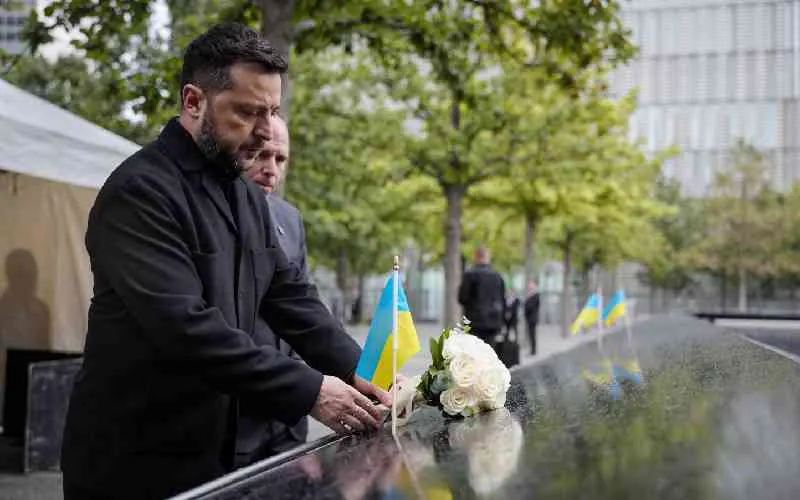
Ukraine's Foreign Minister, Andriy Sybiga, expressed outrage over the decision, stating that it was a "concession" to the Kremlin. He added that the move would give Moscow a sense of impunity and humiliate the EU. Ukrainian President Volodymyr Zelensky also criticized the decision, saying it was self-defeating and counterproductive, especially given the ongoing brutal attacks on Ukrainian people.
Usmanov and Fridman were added to the sanctions list in 2022 after Russia's invasion of Ukraine, over allegations that their businesses provided significant revenues to the Kremlin. A spokesman for Ireland, which holds the EU's rotating presidency, said the "compromise" would extend the sanctions regime until September 22, 2029. However, the decision to delist certain individuals, including Usmanov and Fridman, was also taken.
The move has been met with skepticism by other EU member states, who argue that removing people for political reasons sets a dangerous precedent. One EU diplomat stated that it sends a signal that you can blackmail your way to delisting. France had cited "national security" concerns for its request to remove Usmanov, but refused to give details publicly.
Luxembourg had also pushed for Fridman to be removed, as it battles his claim for 15 billion euros ($17 billion) in damages for freezing his assets under EU sanctions. The demand from France and Luxembourg had riled other EU member states, with Latvian Prime Minister Andris Kulbergs stating that it was not a choice between a good solution and a bad one, but between a bad one and a far worse one.
The Kremlin seized on the EU standoff to say it backed taking Usmanov and Fridman off the blacklist and that the bloc should lift sanctions on "all Russian businessmen". The agreement to prolong the sanctions for 36 months means the EU should skip the headache of sanctions lapsing for the foreseeable future. EU top diplomat Kaja Kallas insisted that the bloc needed "stability" by settling the future of its sanctions.
Metals tycoon Usmanov and banking magnate Fridman are among dozens of Russian businessmen suing the EU over the sanctions. The decision to lift sanctions on the two billionaires has sparked concerns that it may undermine the effectiveness of EU sanctions on Russia. The move has also raised questions about the EU's commitment to supporting Ukraine in the face of Russian aggression.
Key points
- The EU's decision to lift sanctions on Usmanov and Fridman has been criticized by Ukraine as a concession to the Kremlin.
- The move has sparked concerns about the effectiveness of EU sanctions on Russia and the bloc's commitment to supporting Ukraine.
- The EU has extended sanctions against some 3,000 individuals and entities, including Russian President Vladimir Putin, until September 22, 2029.