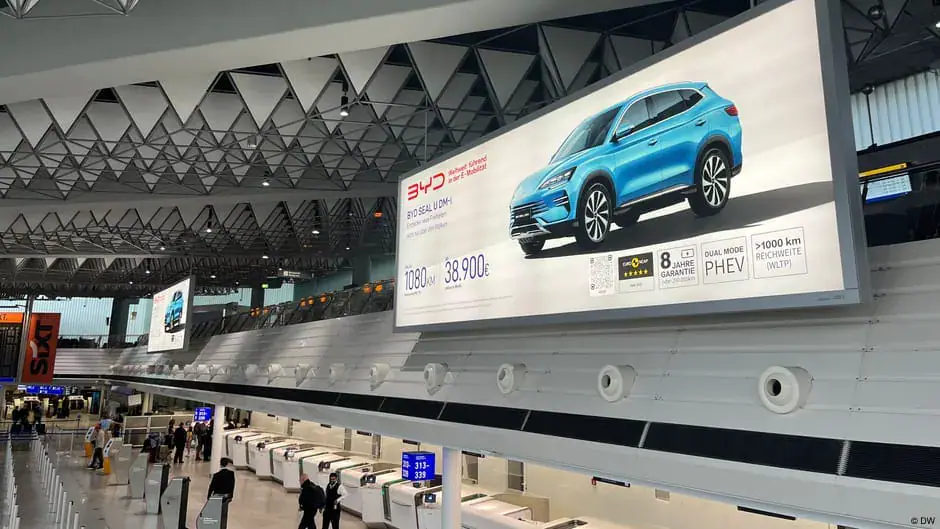
The European Union has introduced a cap on the number of hybrid vehicles that can be imported from China, setting the quota at around 15% above last year's import levels. This measure is set to take effect on December 1. The decision was made to protect EU industries from a recent surge in hybrid vehicle imports, which have increased significantly throughout 2023.
The EU's move follows a meeting between EU Trade Commissioner Maros Sefcovic and Chinese Trade Minister Wang Wentao in October, where both parties agreed to a "compliant and balanced" arrangement regarding trade. China's government has since urged the EU to adhere to this agreement. The European Commission stated that the restrictions are necessary to shield EU industries from the surge in imports.
The import quota specifically targets "full hybrid electric vehicles (HEVs) and plug-in hybrid electric vehicles (PHEVs)," including mild hybrids. Although the quota is primarily aimed at Chinese imports, it will also apply to any country that contributes over 2% of EU car imports by 2025. This move is expected to have a significant impact on the EU's automotive industry.
Germany, the EU's largest economy and key automotive exporter, stands to benefit from these quotas. Many German car manufacturers have reported layoffs amid a decline in their market share, which dropped from 41.5% to 38.2% in October, despite a growing overall market. The quotas may help to protect German jobs and boost the industry's competitiveness.
A report from the European Automobile Manufacturers' Association shows substantial growth in Europe's hybrid and electric vehicle registrations, particularly in October. New electric vehicle registrations rose by 61.4% across the EU, with plug-in hybrids increasing significantly in Italy, Spain, and Germany. This growth suggests a shift towards more environmentally friendly vehicles.
Chinese manufacturers have also seen remarkable success, boosting their sales in the EU by 73.4%. As the competition intensifies, the shifts in market share are raising concerns, especially since Europe's automotive industry has traditionally been centred in Germany. The EU's move to impose quotas on Chinese hybrid vehicle imports may help to level the playing field.
The EU's decision to impose quotas on Chinese hybrid vehicle imports reflects the growing tensions between the EU and China over trade. The quotas may have significant implications for the global automotive industry, and it remains to be seen how China will respond to the EU's move. The European Commission will continue to monitor the situation and adjust the quotas as necessary.
Key points
- The EU has set a quota of 15% above last year's levels for hybrid vehicle imports from China.
- The quotas will apply to "full hybrid electric vehicles (HEVs) and plug-in hybrid electric vehicles (PHEVs)," including mild hybrids.
- The move is expected to benefit Germany's automotive industry, which has seen a decline in market share and reported layoffs.
Reporting sources
- EU to Restrict Imports of China’s Hybrid Vehicles · sierraleonetoday.co.com