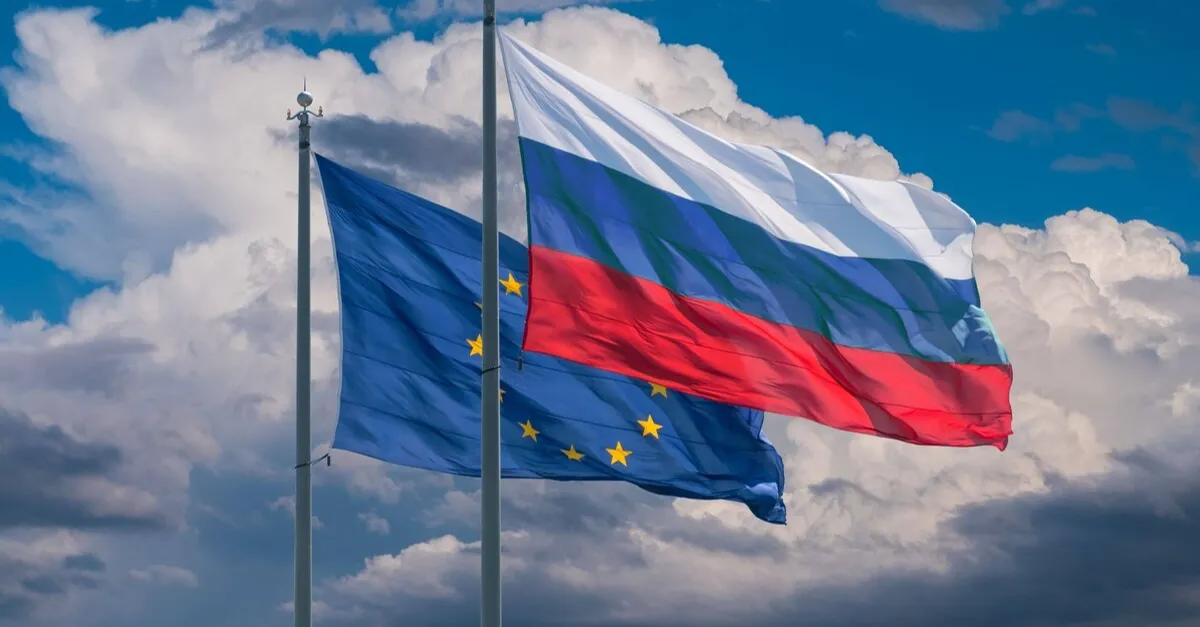
The European Union has decided to extend its 21st package of sanctions on Russia for an additional 36 months. These sanctions, which were initially imposed due to Russia's actions in Ukraine, include restrictions on hundreds of individuals and entities. The list of sanctioned parties was published by the Council of the European Union and includes those involved in elections and referendums in Ukrainian territories, as well as those responsible for attacks on civilians and critical infrastructure.
The sanctions specifically target over 3,000 individuals who participated in what the EU describes as "sham" referendums and elections in Ukrainian territories. Additionally, those involved in the transfer and military reeducation of Ukrainian children, the production and supply of drones, and the evasion of sanctions are also on the list. The EU has also imposed sanctions on individuals from Iran, Belarus, and North Korea for their roles in supporting Russian actions.
The extended sanctions, which will remain in effect until September 22, 2029, include a travel ban that prevents targeted individuals from entering or transiting through EU territory. This measure aims to restrict the movement of those involved in activities deemed hostile to Ukraine. The EU has also frozen the assets of all individuals and entities on the sanctions list within the EU, emphasizing that no financial assistance can be provided to those targeted.
The entities subject to sanctions include Russian political parties, military and paramilitary groups such as the Wagner Group, banks, financial institutions, and media outlets accused of propaganda and disinformation. Sanctions have also been imposed on companies operating in defense, transport, energy, aviation, shipbuilding, and machine-building sectors, as well as those in the information technology and communications sectors.
In addition to Russian entities, companies from third countries have also been sanctioned for their support of Russia's actions in Ukraine. Since the imposition of the third package of sanctions against Russia on February 28, 2022, approximately €210 billion in assets from the Russian Central Bank have been frozen in Europe. In May 2024, the Council adjusted the legal framework to allow for the use of exceptional revenues from frozen assets to support Ukraine.
The EU's rules dictate that 95% of exceptional revenues will be allocated to the EU budget and directed towards loans for Ukraine, which is part of a broader effort to help Ukraine service its debts to the EU and the G7, totaling around €45 billion. The economic sanctions initially imposed in 2014, in response to Russia's annexation of Crimea, have been extended multiple times and are currently set to expire on July 31, 2027.
Since 2022, the EU has also suspended the broadcasting activities and licenses of several media outlets it claims are supported by the Kremlin and act as tools for manipulation and disinformation regarding Russia's actions in Ukraine. The ongoing sanctions reflect the EU's continued efforts to pressure Russia and support Ukraine amid the ongoing conflict.
Key points
- The European Union has extended sanctions on Russia for 36 months, targeting over 3,000 individuals and numerous entities linked to the war in Ukraine.
- The sanctions include a travel ban and asset freeze for targeted individuals and entities, with approximately €210 billion in Russian Central Bank assets frozen in Europe.
- The EU has also adjusted its legal framework to use exceptional revenues from frozen Russian assets to support Ukraine, allocating 95% of these revenues to EU budget loans for Ukraine.