In a bid to document and assess the therapeutic relevance of traditional medicine in Cameroon, researchers conducted an ethnopharmacological survey in the rural area of Foumban. The study, which involved 200 participants from four peripheral villages, aimed to inventory and characterize the main medicinal plants used by the local population. The rural area of Foumban, known for its rich botanical diversity and indigenous medical traditions, was selected as the study site. This initiative is part of a broader effort to integrate traditional medicine into modern healthcare systems. The study was conducted using semi-structured interviews.
The study's participants were predominantly adults, making up at least 60% of the respondents, and women, who constituted over 50% of the participants in three out of the four areas. The majority of the respondents had low or middle living standards. The primary method of procuring medicinal plants was through personal harvesting in home gardens, with this method being used by 60-83% of the participants. This approach highlights the reliance on local resources for healthcare needs. The study also found that the participants had a deep understanding of the medicinal plants and their uses.
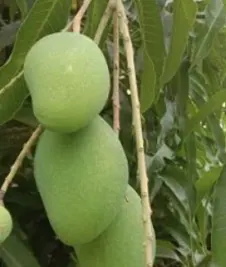
The preparation and use of medicinal plants varied among the participants, with decoction being the dominant preparation method, used by at least 50% of the respondents. Water was the primary solvent used, accounting for at least 80% of the cases. The most commonly cited medicinal plant species were Mangifera indica, Annona muricata, Aloe vera, and Zingiber officinale. These plants are known for their therapeutic properties and are widely used in traditional medicine. The study's findings underscore the significance of traditional medicine in the region.
The therapeutic indications of the medicinal plants used in the study covered a wide range of health conditions, including infectious diseases such as malaria, tuberculosis, and typhoid. The plants were also used to treat metabolic disorders like diabetes, hypertension, and obesity, as well as digestive conditions such as gastric ulcers and dysentery. Additionally, the plants were used to address gynecological issues, including dysmenorrhea and infertility. The diversity of health conditions treated with medicinal plants highlights their importance in the region's healthcare.
The study's findings have implications for the integration of traditional medicine into modern healthcare systems. The traditional pharmacopoeia of Foumban constitutes a living therapeutic heritage, rooted in Bamoun culture, and is accessible and culturally valued. The documentation of this traditional knowledge opens up perspectives for phytochemical research and integration into public health policies. However, there is a need for standardization and safety of practices to ensure the efficacy and safety of traditional medicine.
The World Health Organization has recognized the importance of traditional medicine, with the organization publishing a global report on traditional and complementary medicine in 2019. The report highlights the need for the integration of traditional medicine into modern healthcare systems, while ensuring the safety and efficacy of traditional practices. The study's findings are in line with the WHO's recommendations, emphasizing the need for further research and documentation of traditional medicine.
The study's authors, Kenmogne Simo Thierry Césaire and others, published their findings in the journal Health Sciences and Diseases in 2026. The study contributes to the growing body of research on traditional medicine, highlighting its significance in rural areas of Cameroon. The study's results have the potential to inform healthcare policies and improve healthcare outcomes in the region.
Key points
- The study highlights the significance of traditional medicine in rural Cameroon, with 200 residents sharing knowledge of medicinal plants used to treat various health conditions.
- The primary method of procuring medicinal plants was through personal harvesting in home gardens, with this method being used by 60-83% of the participants.
- The study's findings have implications for the integration of traditional medicine into modern healthcare systems, highlighting the need for standardization and safety of practices.