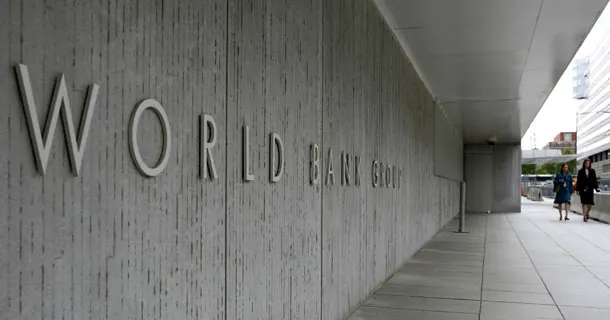
The partnership between Ethiopia and the World Bank has been strengthened, with a focus on private-sector-led growth, climate resilience, and four key cooperation programs. In early October, Ethiopian Finance Minister Ahmed Shide and National Bank of Ethiopia Governor Eyob Tekalign met with World Bank Managing Director of Operations Anna Bjerde and Regional Vice President for Eastern and Southern Africa Ndiamé Diop. The discussions centered on Ethiopia's reform agenda, job creation, and its transition to a private-sector-driven economy.
The World Bank has welcomed Ethiopia's progress under its reform program and reaffirmed its support through the new Country Partnership Framework. Budget support operations remain a crucial aspect of this engagement. Ethiopia is actively improving conditions for private investment, recognizing that stronger capital flows are essential to long-term economic resilience. The government aims to create an environment conducive to private capital deployment at scale.
The talks also covered expanding access to additional financing windows, including instruments designed to buffer against climate-related and external shocks. Although no new financing amount was announced, the meeting signals a clear policy direction: development finance is moving closer to bankable private investment opportunities. This shift is significant for institutional investors tracking frontier-market exposure.
The World Bank's engagement with Ethiopia spans budget support, which provides macroeconomic stability, a prerequisite for private capital deployment. The partnership also focuses on four priority programs: Mission 300, which targets expanded energy access; the AgriConnect Compact, focusing on agricultural productivity and value-chain development; the E-Mobility Programme, advancing cleaner transport solutions; and the Water Forward Initiative, targeting water security and infrastructure.
These programs create a potential pipeline for project finance and public-private partnerships, spanning energy, agriculture, mobility, and water – sectors that consistently attract development finance and increasingly attract private co-investment. The parties also emphasized the Development Ready Initiative, which targets implementation efficiency, accelerating the pace at which commitments translate into tangible outcomes on the ground.
Ethiopia's reform trajectory is broadly positive, with structural improvements in the business environment and multilateral backing reducing the risk profile for early-mover investors. However, execution speed remains critical. The country's ability to convert policy agreements into structured, financeable projects will determine how quickly private capital follows. Multilateral frameworks like the Country Partnership Framework provide the necessary scaffolding.
The next twelve months will reveal whether Ethiopia can translate its commitments into tangible outcomes. According to one analyst, Ethiopia is at the stage where institutional frameworks are in place, and implementation velocity will be crucial in attracting private capital. The partnership between Ethiopia and the World Bank is expected to drive growth, create jobs, and enhance the country's economic resilience.
Key points
- The partnership focuses on private-sector-led growth, climate resilience, and four flagship cooperation programs.
- The World Bank has welcomed Ethiopia's progress under its reform program and reaffirmed its support through the new Country Partnership Framework.
- The country's ability to convert policy agreements into structured, financeable projects will determine how quickly private capital follows.