The Africa Trade Development Forum, which began on 23 November 2026 at the Ethiopian Skylight Hotel in Addis Ababa, aims to place Africa value addition at the core of the continent's export strategy. Ethiopia's Minister of Trade and Regional Integration, Yasmin Wohabrebbi, opened the event, urging African countries to move beyond raw-commodity exports and produce goods that compete on world markets. The forum, co-hosted by Ethiopia's Ministry of Trade and Regional Integration, the Ministry of Transport and Logistics, and TradeMark Africa, runs until 24 November 2026.
Minister Wohabrebbi emphasized that Africa holds large markets, abundant natural resources, and a young workforce, but captures too little value from what it produces. She called for stronger factories, greater production capacity, and deeper trade between African economies. The forum's agenda covers standards harmonization, testing laboratories, certification bodies, sanitary and phytosanitary systems, mutual recognition, and digital conformity tools. These systems reduce border delays and cut compliance costs for exporters.
The forum's theme, Building Africa's Exports Through Quality, highlights the importance of quality infrastructure for African exports. Removing tariffs alone will not build competitive supply chains; producers also need reliable standards, testing, and certification systems to access regional and global buyers. African Continental Free Trade Area commitments give the forum practical urgency, as shared quality infrastructure is crucial for the free-trade agreement's tariff reductions to deliver their potential.
TradeMark Africa has described standards bodies, testing laboratories, and sanitary systems as strategic infrastructure, expanding the investment case beyond physical transport assets. The forum's focus areas include standards and testing laboratories, sanitary and phytosanitary systems, mutual recognition agreements, and digital conformity systems. Investment implications span laboratory infrastructure, accreditation services, cold-chain logistics, inspection technology, and border technology.
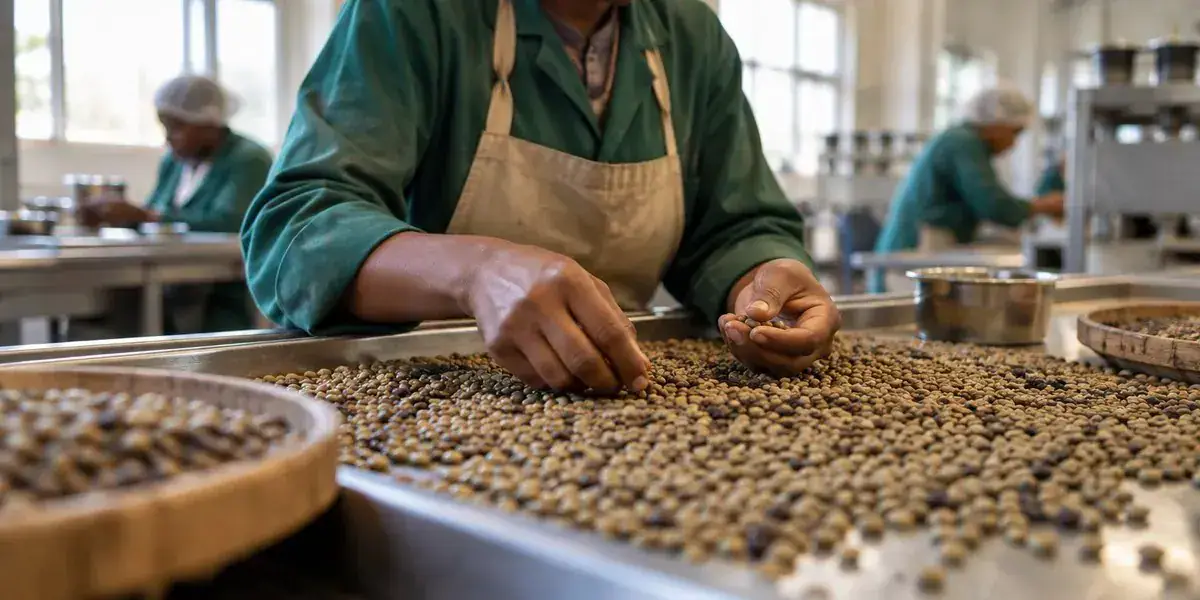
The forum aligns with a broader regional push for intra-African trade and self-reliance that governments across the continent have accelerated in recent months. Ethiopia's own export ambitions are visible in initiatives such as the Ethiopia Coffee Expo, where South Western Oromia announced a target of 700,000 tonnes of coffee production during the current year, including 195,000 tonnes earmarked for export.
Opportunities for investment and growth in African value addition are significant. Mutual recognition of certification could lower compliance costs across African markets significantly, allowing manufacturers to build regional sales before targeting global buyers. The forum's strongest signal concerns implementation, with a focus on systems that allow one country's certified products to enter another market with fewer repeated checks.
As the forum concludes, stakeholders will likely prioritize implementation of the discussed strategies and investment opportunities. The emphasis on value addition and quality infrastructure is expected to shape Africa's export strategy in the coming years. With the African Continental Free Trade Area agreement in place, the continent is poised to enhance its global trade presence through increased cooperation and investment in strategic infrastructure.
Key points
- The Africa Trade Development Forum emphasizes the need for African countries to move beyond raw-commodity exports and produce goods that compete on world markets.
- The forum highlights the importance of quality infrastructure, including standards bodies, testing laboratories, and sanitary systems, for African exports.
- Investment opportunities in African value addition span laboratory infrastructure, accreditation services, cold-chain logistics, inspection technology, and border technology.
Reporting sources
- Ethiopia trade forum puts Africa value addition first · FurtherAfrica