Ethiopia has reaffirmed its strategic commitment to utilizing its natural resources to drive development and protect the environment. The country generates over 98% of its electricity from renewable sources, making it a model for green economy development globally. This achievement has positioned Ethiopia as a leader in the region, with the potential to become a major player in the East African energy market.
Ethiopia's renewable energy success is closely tied to its national Green Legacy program, which aims to plant billions of trees to increase forest cover and mitigate the effects of soil erosion and sedimentation. The program has also ensured a stable water supply for massive hydroelectric projects like the Grand Ethiopian Renaissance Dam, allowing for long-term power generation.
While hydroelectric power remains the backbone of Ethiopia's electricity supply, the country is also harnessing wind, geothermal, and solar energy to diversify its renewable energy mix. With a natural capacity to generate up to 60,000 megawatts of electricity from clean sources, Ethiopia aims to increase its production to 15,000 megawatts by 2030.
By leveraging its clean energy resources, Ethiopia plans to drive rapid economic growth and become a major player in regional economic integration. The country intends to sell its excess energy to neighboring countries, generating significant foreign exchange earnings and strengthening its economic ties with the region.
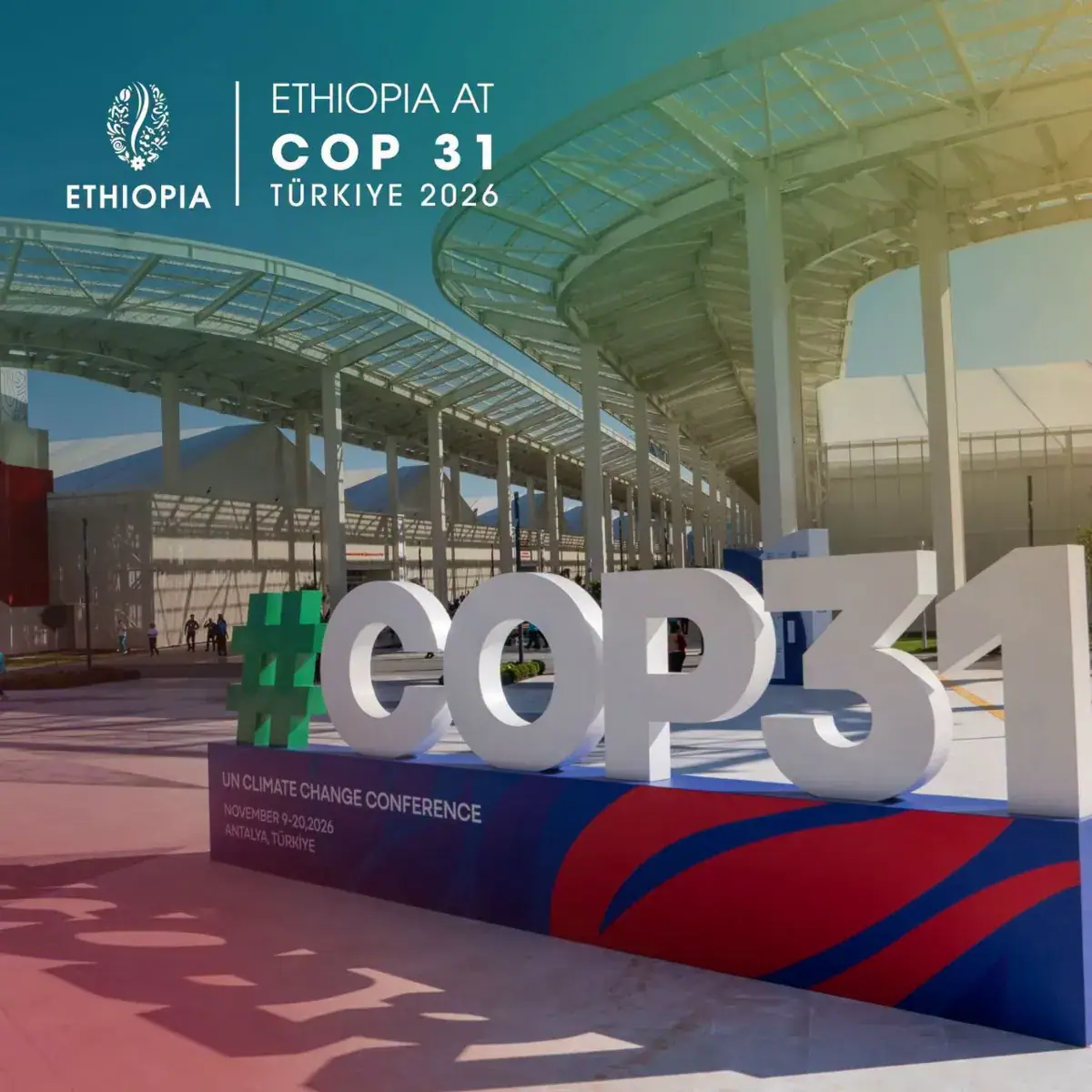
As the host of COP-32, Ethiopia will participate in the 31st United Nations Climate Change Conference (COP-31) in Antalya, Turkey, where it will share its achievements in climate change mitigation and green development with the international community. The conference provides a platform for Ethiopia to showcase its successes and commitment to environmental protection.
Ethiopia's participation in COP-31 demonstrates its dedication to addressing global climate change challenges and promoting sustainable development. By sharing its experiences and best practices, the country aims to inspire other nations to adopt similar strategies and work towards a more sustainable future.
The conference will also provide an opportunity for Ethiopia to engage with the international community on key issues related to climate change, sustainable development, and renewable energy. By collaborating with other countries and international organizations, Ethiopia can accelerate its green development agenda and achieve its long-term goals.
Key points
- Ethiopia generates over 98% of its electricity from renewable sources.
- The country aims to increase its renewable energy production to 15,000 megawatts by 2030.
- Ethiopia will showcase its green development successes at COP-31 to inspire other nations and promote sustainable development.
Reporting sources
- ንጹህ ኢነርጂ አምራቿ ኢትዮጵያ በኮፕ-31 የአረንጓዴ ልማት ስኬቶቿን ለዓለም ታካፍላለች · Addis Media Network