The Ethiopian government is implementing strategic initiatives to reduce the burden of living for low-income households and alleviate poverty. These initiatives focus on macroeconomic reforms, urban social safety net programs, and rural climate resilience projects. The goal is to transition citizens from dependency on daily aid to self-sufficiency. The government is collaborating with international development partners to achieve this objective.
The government is expanding access to financial services, including credit and savings, for farmers, youth, female entrepreneurs, and small enterprises. This aims to create income-generating opportunities and promote economic growth. For instance, significant reforms have been made to the payroll tax calculation and bracket levels for employees. These changes are expected to increase disposable income and stimulate economic activity.
In various cities across the country, effective experiments are underway to reduce the burden of living and ensure food security. These initiatives are tailored to specific local conditions and have shown promising results. In rural areas, substantial budgets are being allocated to implement projects that help farmers and herders adapt to climate change and secure their food supply sustainably.
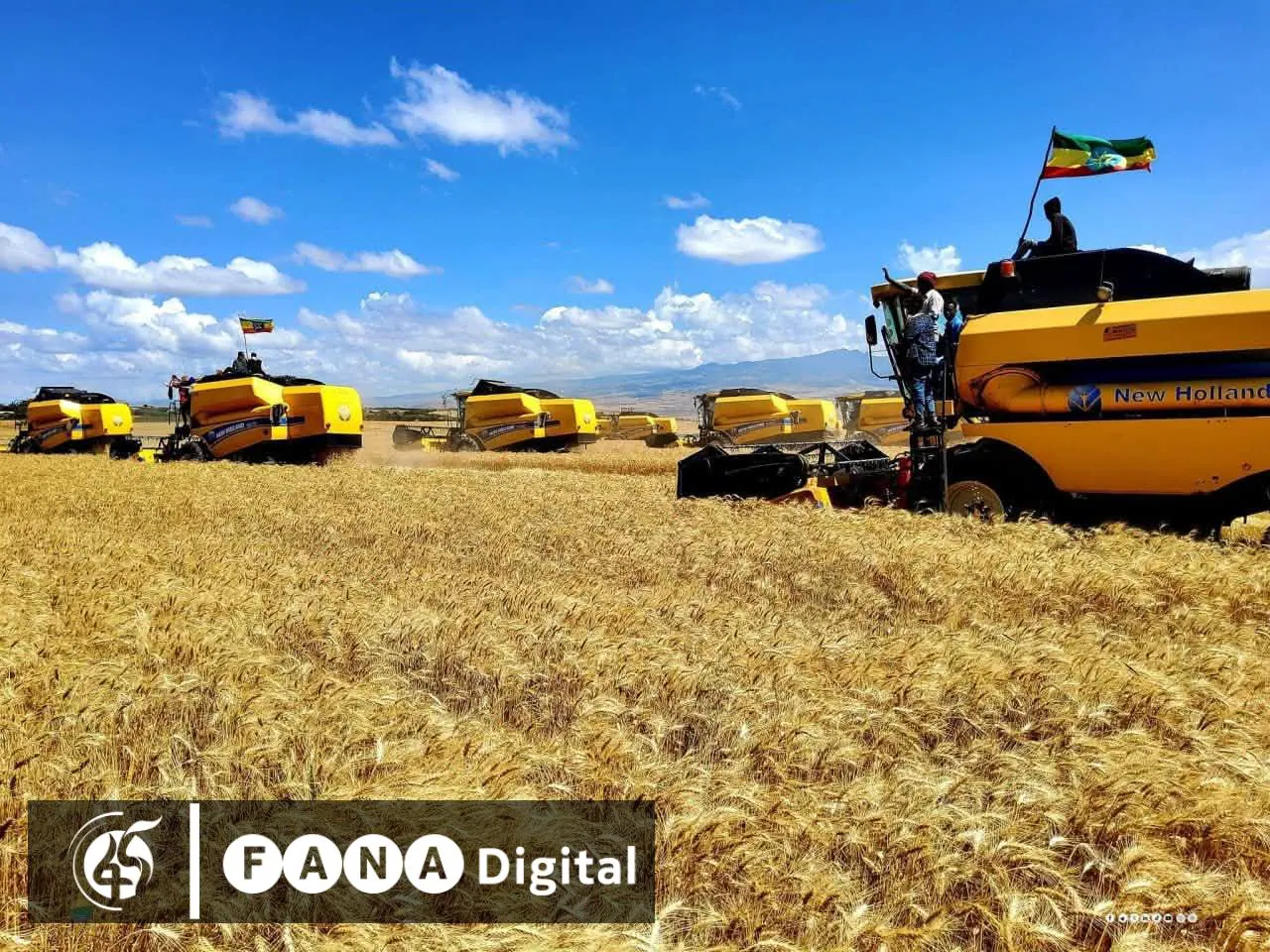
To enhance productivity, small-scale farmers are being provided with modern farming equipment and improved seed varieties at discounted prices. Additionally, the "Lemat T'rutfat" program has enabled low-income women and youth to form associations for poultry and dairy farming, generating income and promoting self-sufficiency. These initiatives have helped reduce the vulnerability of farmers and herders to climate-related shocks.
The government has also implemented projects to support farmers in coping with climate-related challenges. For example, summer irrigation schemes and similar projects have been introduced to enable farmers to become self-sufficient. In Addis Ababa, a successful experience has been established, where cooperative societies sell their products directly to consumers, increasing the accessibility of affordable food.
Furthermore, the government provides free notebooks, educational materials, and student uniforms to students in public schools every year. Basic food items, such as oil, sugar, wheat, and flour, are also made available to the public at discounted prices through consumer cooperatives and Sunday market centers in the city.
The government's efforts aim to create a more sustainable and productive economy. By implementing these strategic initiatives, the government hopes to reduce poverty and increase economic growth, ultimately improving the living standards of Ethiopian citizens.
Key points
- The Ethiopian government is working to transition citizens from aid dependency to self-sufficiency through strategic partnerships and economic reforms.
- The government is expanding access to financial services and promoting income-generating opportunities.
- Initiatives have been implemented to support farmers in coping with climate-related challenges and to increase food security.