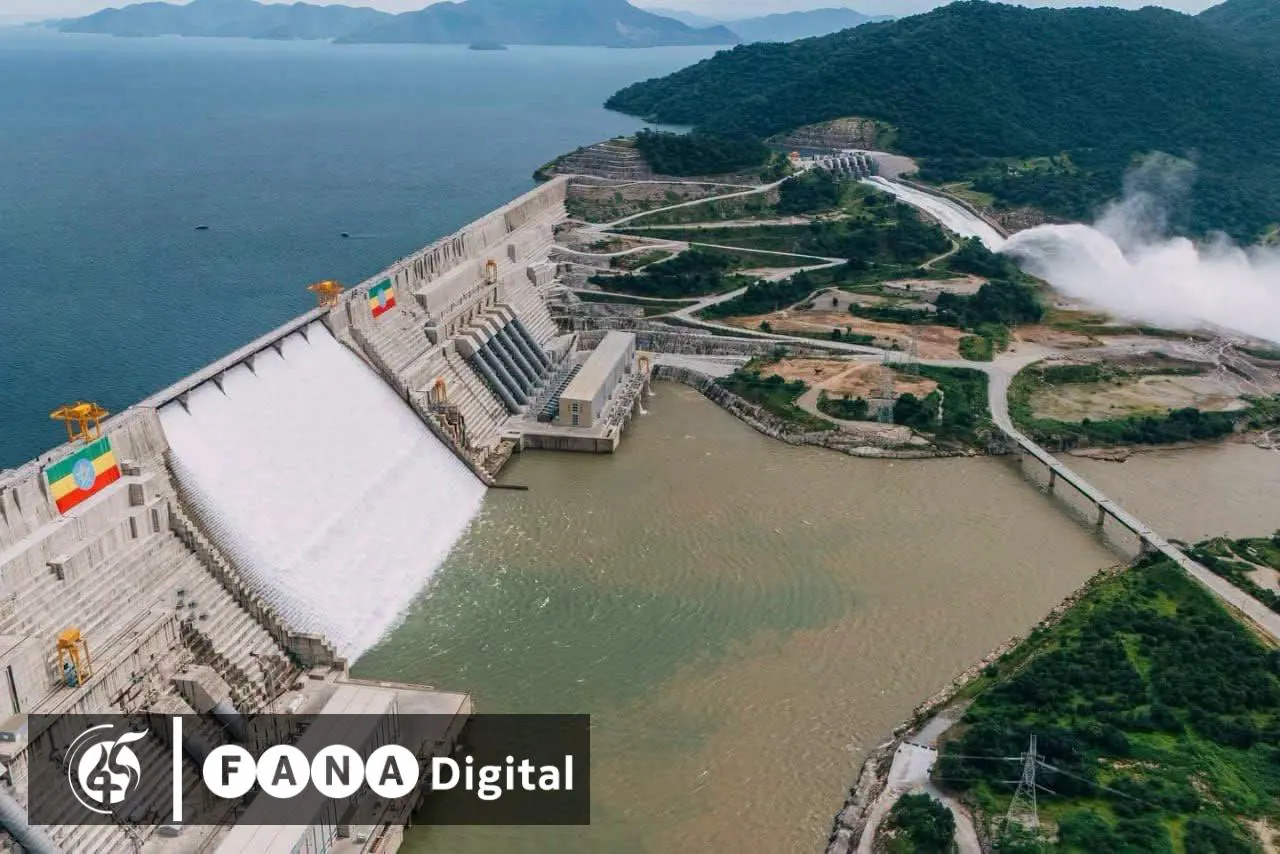
The Grand Ethiopian Renaissance Dam (GERD) is a vital project that showcases Africa's capabilities and demonstrates the benefits of regional cooperation. Located on the Blue Nile River, the dam is a significant investment in renewable energy, with a capacity to generate over 6,400 megawatts of electricity. The project has been hailed as a symbol of African ingenuity and cooperation. Ethiopia has consistently demonstrated its commitment to regional cooperation and fair utilization of the Nile River's waters. The dam's construction has been a major milestone in the country's development journey.
The GERD is designed to provide a range of benefits, including hydroelectric power generation, irrigation, and flood control. The dam's reservoir will have a capacity of 74 billion cubic meters of water, which will be used to generate electricity and provide water for irrigation. The project is expected to have a positive impact on the regional economy, creating jobs and stimulating economic growth. According to Ambassador Zerihun Abebe, Director-General of African Affairs at the Ethiopian Ministry of Foreign Affairs, the dam is a strategic project that will play a crucial role in regional development and cooperation.
One of the key benefits of the GERD is its potential to mitigate the impact of climate change in the region. The dam will provide a buffer against droughts and floods, which have had a devastating impact on communities in the Horn of Africa. The project will also provide a reliable source of renewable energy, reducing the region's dependence on fossil fuels and mitigating the impact of climate change. The GERD is a testament to Ethiopia's commitment to sustainable development and regional cooperation.
Despite its potential benefits, the GERD has been the subject of controversy and debate. Egypt has raised concerns about the dam's impact on its water supply, and has accused Ethiopia of not providing sufficient information about the project's construction and operation. However, Ethiopia has maintained that the dam is a vital project that will benefit the entire region, and has offered to provide Egypt and other downstream countries with information about the dam's operation.
The GERD is a significant achievement for Ethiopia, demonstrating the country's engineering and construction capabilities. The project has been built using local expertise and materials, and has provided jobs and training for thousands of Ethiopians. The dam's construction has also had a positive impact on the local economy, stimulating economic growth and development in the region.
The GERD is also expected to have a positive impact on regional integration and cooperation. The dam will provide a source of renewable energy for neighboring countries, including Sudan and Djibouti. The project will also provide a model for regional cooperation and development, demonstrating the benefits of collaborative approaches to development and resource management.
In conclusion, the Grand Ethiopian Renaissance Dam is a strategic project that plays a crucial role in regional cooperation and development. The dam's benefits extend beyond Ethiopia's borders, providing a reliable source of renewable energy and mitigating the impact of climate change in the Horn of Africa. As the project continues to take shape, it is expected to have a lasting impact on the region, promoting economic growth, cooperation, and sustainable development.
Key points
- The GERD is a significant investment in renewable energy, with a capacity to generate over 6,400 megawatts of electricity.
- The dam's construction has had a positive impact on the local economy, stimulating economic growth and development in the region.
- The GERD is expected to have a positive impact on regional integration and cooperation, providing a model for collaborative approaches to development and resource management.