The 2022 Pretoria agreement, signed by Ethiopia's federal government and the Tigray People's Liberation Front (TPLF), has effectively collapsed as renewed fighting erupts in Tigray. The agreement had halted large-scale combat and set a framework for disarmament and the withdrawal of non-federal forces. However, implementation stalled due to various issues, including the TPLF's deregistration and Tigray's exclusion from the June 2026 elections.
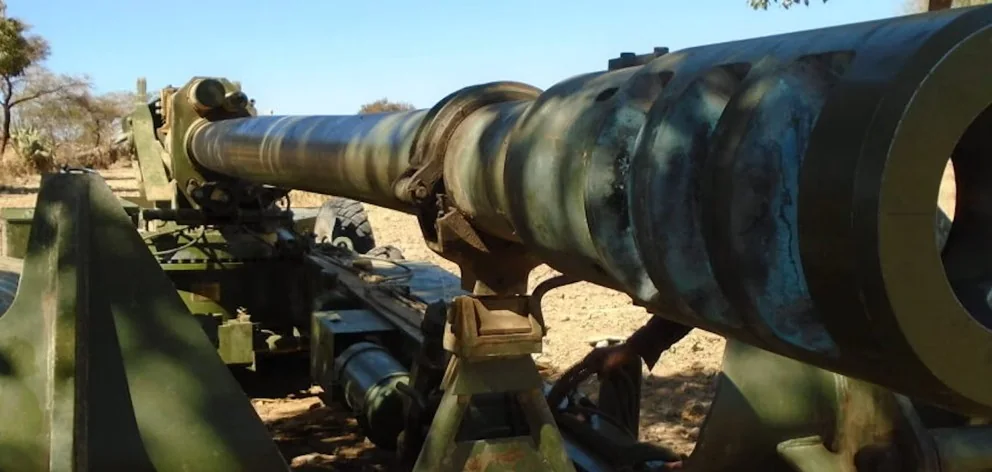
The incomplete rollout of the peace process left it vulnerable to collapse. In January 2023, Tigrayan forces began surrendering heavy weapons, but the corresponding pull-out of foreign forces was not secured. This led to a situation where the peace process was weakened, and renewed fighting became increasingly likely. The situation on the ground has deteriorated significantly, with reports of air and drone strikes across Tigray.
A new armed alliance, the Ethiopian Peoples' Forces Alliance for Survival, has been formed by seven armed groups, some of which were former adversaries in the 2020-2022 war. The alliance aims to topple Prime Minister Abiy Ahmed's government. This development has raised concerns about the potential for further conflict and instability in the region. The situation is being closely watched by international observers, who are warning of the potential consequences of renewed fighting.
The United States has blamed the TPLF for launching a large-scale offensive and warned of further sanctions against the front and its allies. US Ambassador Ervin Massinga made the comments in late September 2026, highlighting the international community's concerns about the situation in Tigray. The TPLF's actions have been widely criticized, and there are fears that the conflict could escalate further.
Constitutional scholar Alemayehu Fentaw Weldemariam has analyzed the failure of the Pretoria peace deal. He argues that the failure to move from a cease-fire to a comprehensive political settlement produced several major outcomes, including a multi-regional armed alliance, renewed attacks threatening civilians, and heightened tensions with Eritrea. Weldemariam's analysis highlights the need for a broader settlement to address the underlying issues driving the conflict.
Weldemariam stresses that another bilateral bargain between Addis Ababa and the TPLF would be insufficient to resolve the conflict. Instead, a comprehensive agreement must involve the federal government, the armed alliance, political parties, and civil society to address issues such as representation, elections, accountability, and constitutional reform. This would require a significant shift in the approach to resolving the conflict, with a greater emphasis on inclusivity and dialogue.
Immediate priorities identified by Weldemariam include halting attacks on populated areas, safeguarding humanitarian corridors, and restoring independent monitoring to ensure outstanding security obligations are fulfilled. The situation in Tigray remains volatile, and there is a pressing need for a peaceful resolution to the conflict. The international community is closely watching developments and urging restraint from all parties involved.
Key points
- The 2022 Pretoria agreement has effectively collapsed due to renewed fighting in Tigray.
- A new armed alliance has been formed to topple Prime Minister Abiy Ahmed's government.
- A comprehensive agreement involving multiple stakeholders is needed to resolve the conflict.