The Oromo people of Ethiopia have long fought for their rights to self-governance, language, culture, and values. For years, they were denied these fundamental rights under previous governments. However, with the change in leadership, the Oromo people have made significant strides in achieving their goals. The Ethiopian government has taken steps to address the Oromo people's demands, including the recognition of their language, culture, and values.
According to Oromo scholars, the Oromo people have played a crucial role in shaping Ethiopia's history and sovereignty. Despite their contributions, they were denied the right to speak their language, learn in their language, and practice their culture. The Oromo people's struggle for freedom and recognition has gained international attention, with many acknowledging their democratic and constitutional rights. The Oromo people seek to coexist with other Ethiopians, promote justice and equality, and protect the environment.
The Oromo people's cultural heritage is an essential part of their identity. Their traditional system of governance, known as the "Gadaa" system, is a unique and valuable aspect of their culture. The Gadaa system emphasizes the importance of democracy, equality, and justice. The Oromo people's celebration of their cultural heritage, including the "Irecha" festival, is a testament to their rich history and traditions.
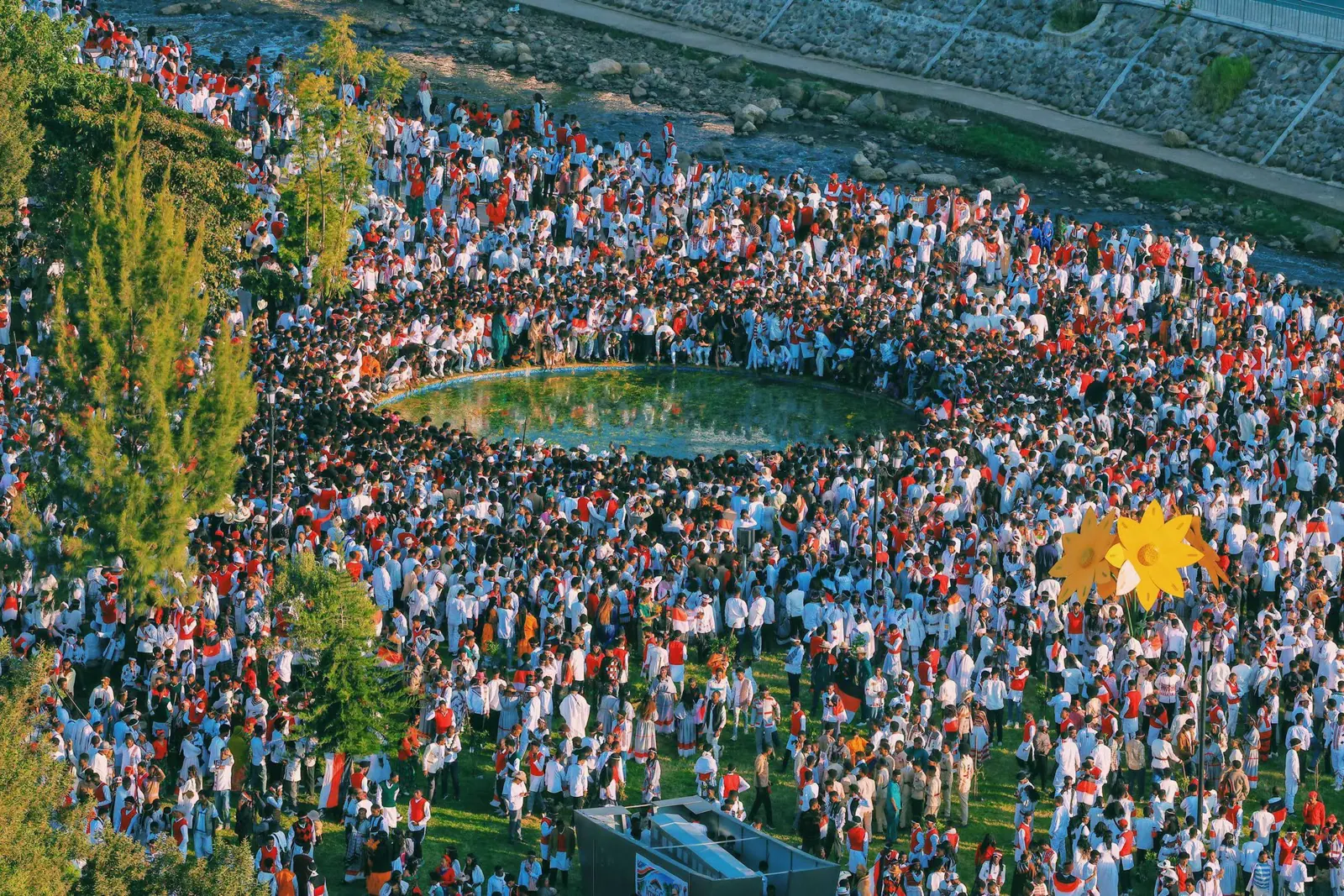
The Ethiopian government has made significant efforts to promote the Oromo people's cultural heritage. The government has supported the revival of the Irecha festival, which was previously banned. The festival is now celebrated with great enthusiasm, with people from all over Ethiopia and abroad attending. The festival showcases the Oromo people's rich cultural heritage, including their traditional clothing, music, and dance.
Prime Minister Abiy Ahmed has acknowledged the Oromo people's struggle for freedom and recognition. In a message to the Oromo people, he stated that their struggle has brought about significant change, similar to the change that comes with the spring season. The Prime Minister emphasized the importance of preserving the Oromo people's cultural heritage and promoting their language, culture, and values.
The Irecha festival is not only a celebration of the Oromo people's cultural heritage but also a symbol of their unity and solidarity. The festival brings together people from all walks of life, promoting a sense of community and shared identity. The festival also provides an opportunity for the Oromo people to showcase their rich cultural heritage to the world.
Despite the progress made, challenges still exist. The Prime Minister has called on the Oromo people to remain vigilant and continue to work towards a brighter future. He emphasized that the Ethiopian people's unity and solidarity are essential in overcoming the challenges that lie ahead. The Oromo people's celebration of their freedom and cultural heritage is a testament to their resilience and determination.
Key points
- The Oromo people's struggle for freedom and recognition has gained international attention.
- The Ethiopian government has taken steps to promote the Oromo people's cultural heritage.
- The Irecha festival is a celebration of the Oromo people's unity and solidarity.