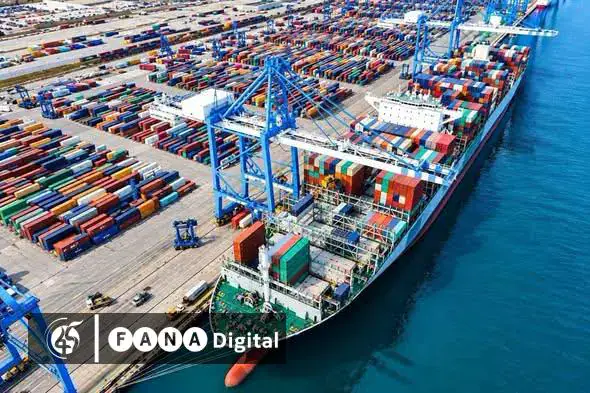
The decision that led to Ethiopia losing its sea access has sparked intense debate and raised questions about the country's institutional processes. According to Fana Broadcasting Corporate, the issue has been a subject of discussion, with many Ethiopians wondering who made the decision and how it was implemented. The country's Prime Minister, Dr. Abiy Ahmed, has stated that the process was not transparent and did not involve the country's institutions.
The loss of sea access has significant implications for Ethiopia's economy, which is heavily reliant on imports and exports. The country's trade relations have been affected, with increased costs for port rental, transit, and logistics services. This has led to higher costs for businesses and consumers, making Ethiopian products less competitive in the global market. The country's economic growth and development prospects are also being impacted.
The issue of sea access is not only an economic concern but also a matter of national interest and security. Ethiopia's historical and cultural ties to the Red Sea and its ports are well-documented. The country's leaders have emphasized the importance of regaining access to the sea, citing the need for economic development and national sovereignty. Dr. Habtamu Iftar, Minister of Water and Energy, has stated that Ethiopia is committed to finding a solution to the issue.
The international community has a role to play in resolving the issue, with the United Nations Convention on the Law of the Sea (UNCLOS) providing a framework for countries to access the sea. Ethiopia has ratified the convention, which guarantees its right to access the sea. However, the implementation of this right requires cooperation from neighboring countries and the international community.
The Ethiopian government has reiterated its commitment to finding a peaceful and diplomatic solution to the issue. The country's leaders have emphasized the need for a negotiated settlement that takes into account the interests of all parties involved. This approach is seen as essential for maintaining regional stability and promoting economic development.
The loss of sea access has also raised questions about the country's institutional capacity and decision-making processes. The issue has highlighted the need for greater transparency and accountability in government decision-making. The Ethiopian people have a right to know who made the decision and how it was implemented.
The issue of sea access remains a pressing concern for Ethiopia, with significant implications for the country's economy, national interests, and regional relationships. The country's leaders have emphasized the need for a comprehensive and inclusive approach to resolving the issue, one that takes into account the interests of all parties involved.
Key points
- The decision-making process that led to Ethiopia's loss of sea access remains unclear.
- The loss of sea access has significant implications for Ethiopia's economy and national interests.
- The Ethiopian government is committed to finding a peaceful and diplomatic solution to the issue.
Reporting sources
- ኢትዮጵያን የባህር በር ያሳጣትን ውሳኔ ማን ወሰነው? · Fana Broadcasting Corporate