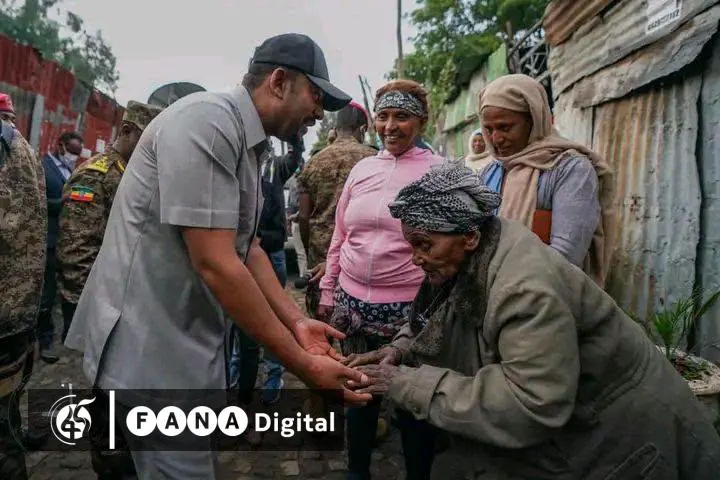
In recent years, the Ethiopian government has prioritized improving the lives of low-income and vulnerable citizens through comprehensive development and social service initiatives. According to Fana Broadcasting Corporate, the administration has focused on enhancing the lives of citizens, particularly those in need. The government's efforts have led to a notable improvement in the lives of many Ethiopians.
The rural and urban social safety net programs have played a crucial role in supporting low-income citizens, providing them with direct financial assistance and involving them in agricultural activities. Elderly and disabled individuals with limited abilities have received direct financial and food assistance. Meanwhile, able-bodied citizens have been engaged in public development projects, enabling them to create sustainable sources of income.
Urban residents with low incomes have been encouraged to participate in urban agriculture, such as backyard gardening, poultry farming, and livestock production. This has helped them secure food and earn additional income. Furthermore, infrastructure development projects in urban and rural areas have achieved significant success.
Voluntary service initiatives during summer and winter have benefited tens of thousands of vulnerable and low-income residents, with homes renovated and new ones constructed and handed over to beneficiaries. The expansion of public feeding centers has provided low-income citizens and street dwellers with nutritious meals, bringing considerable social relief.
The student feeding program, implemented in schools nationwide, has not only reduced school dropout rates among children from low-income families but also improved their health and academic performance. Additionally, low-income residents have been able to access quality healthcare services free or at a minimal cost.
The human-centered development initiatives implemented across Ethiopia have not only improved citizens' daily lives but also laid a strong foundation for ensuring social justice and fostering a culture of mutual support within the community. These achievements are expected to continue, reinforcing the values of mutual support and solidarity.
As the government continues to build on these successes, it is likely to accelerate the country's overall development trajectory, promoting a culture of mutual support and solidarity. The initiatives have demonstrated the potential for human-centered development to drive positive change in the lives of Ethiopians.
Key points
- The Ethiopian government's human-centered development approach has led to significant improvements in the lives of low-income and vulnerable citizens.
- The initiatives have provided direct support to those in need, including financial assistance, food, and access to healthcare and education.
- The programs have also fostered a culture of mutual support and solidarity within the community, laying a strong foundation for sustainable development.