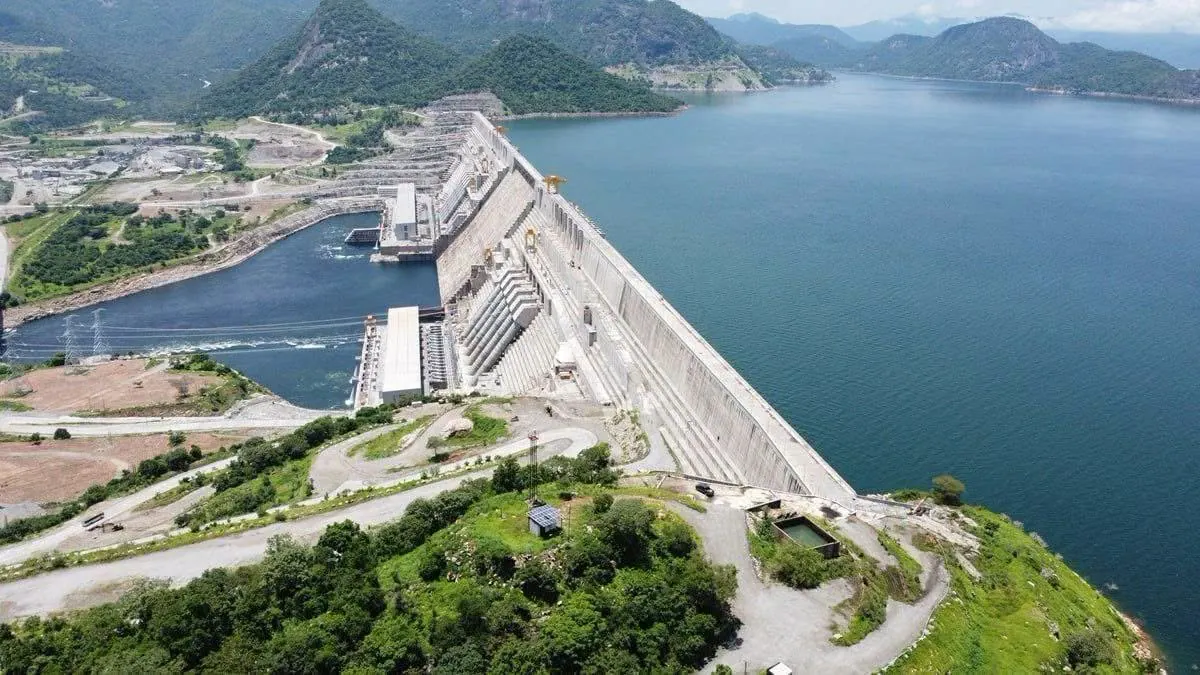
The construction of Ethiopia's Grand Renaissance Dam has been a focal point of international attention and pressure since its inception. Despite numerous diplomatic, economic, and geopolitical challenges, Ethiopia has remained resolute in its pursuit of the dam's completion. Egypt, in particular, has been vocal in its opposition, citing colonial-era agreements to claim a significant share of the Nile River's waters.
Egypt's efforts to rally international support against the dam have included labeling it a threat to Arab national security and attempting to persuade the Arab League to impose diplomatic sanctions on Ethiopia. However, these efforts have been largely unsuccessful. The dam's impact on downstream countries and the potential for water scarcity in the region have also been cited as concerns by various international actors, leading to a concerted campaign to discredit Ethiopia's position.
A complex web of opposition to the dam has been orchestrated by powerful actors, including Egypt, with the aim of undermining Ethiopia's sovereignty and hindering its development. This has included support for various armed groups within Ethiopia, with the goal of destabilizing the country and eroding its negotiating power. Despite these challenges, Ethiopia has remained committed to its right to develop its resources and has sought to engage in cooperative frameworks with its regional neighbors.
The Grand Renaissance Dam has been a symbol of Ethiopia's determination to assert its sovereignty and pursue its development goals, despite external pressures. The dam's construction has been accompanied by significant diplomatic and political efforts by Ethiopia to secure its interests and build alliances with other countries. Ethiopia has emphasized the importance of fair and equitable access to the Nile River's waters, while also highlighting the dam's potential benefits for the region.
The successful completion of the dam's construction has marked a significant diplomatic and political victory for Ethiopia, demonstrating its ability to resist external pressures and assert its national interests. The dam is expected to play a critical role in Ethiopia's economic development and has the potential to enhance regional cooperation and stability. Ethiopia has sought to engage in cooperative frameworks with its regional neighbors, with the aim of promoting mutual understanding and benefit.
The Grand Renaissance Dam has significant implications for the region, with the potential to enhance economic cooperation and stability. The dam's completion has been hailed as a major achievement for Ethiopia, demonstrating its capacity for large-scale development projects and its commitment to regional cooperation. The dam is also expected to have a positive impact on Ethiopia's energy sector, with the potential to generate significant power and support economic growth.
Today, the Grand Renaissance Dam stands as a testament to Ethiopia's resilience and determination in the face of intense geopolitical pressure. The dam's benefits, including its potential to generate power, drive economic growth, and enhance regional cooperation, have been recognized by many as a significant opportunity for Ethiopia and the wider region. Key regional and international actors continue to engage with Ethiopia on the dam's implications and benefits.
Key points
- The Grand Renaissance Dam has been a focal point of diplomatic and geopolitical tensions between Ethiopia, Egypt, and other regional actors.
- Despite significant external pressures, Ethiopia has remained committed to the dam's construction and has sought to engage in cooperative frameworks with its regional neighbors.
- The dam's completion has marked a significant diplomatic and political victory for Ethiopia, demonstrating its ability to resist external pressures and assert its national interests.