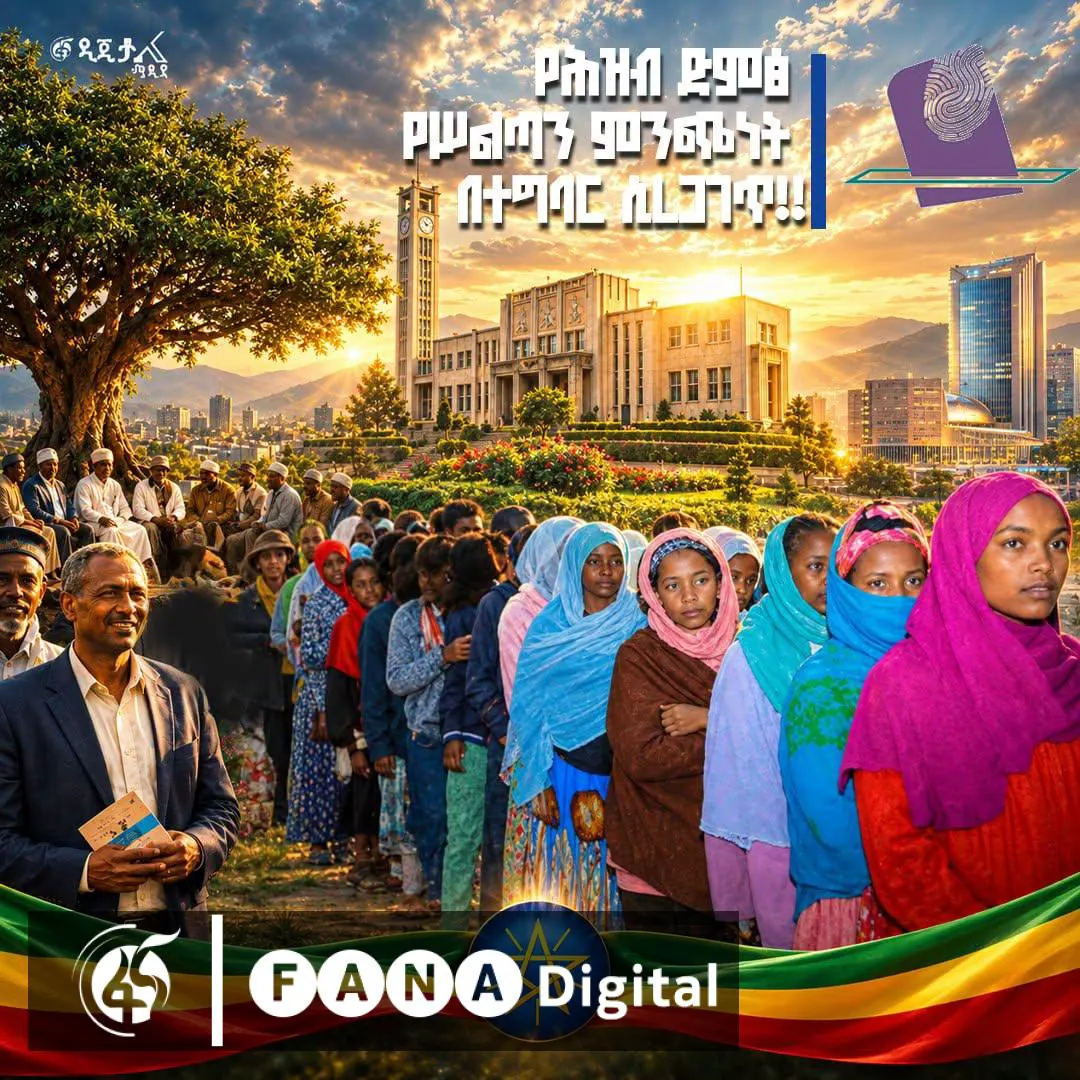
In the history of Ethiopia and Africa, the voice of the people has been the foundation of government existence and justice. Traditionally, elders would gather under a large tree to discuss and make decisions for the betterment of their community. This approach to governance is reflected in the African proverb, "a single tree is blown down by the wind, but trees in a forest support each other." This philosophy emphasizes the importance of collective decision-making and public support in ensuring the sustainability of any government.
Ethiopia has a rich history of state-building, dating back to the ancient Axumite civilization. From the Zagwe dynasty to the Solomonic dynasty, and from Gondar to Harar and Shoa, the country's governance structure has evolved over time. Historically, the legitimacy of power in Ethiopia was derived from the sword, but this has shifted to the voice of the people. According to political scientist Max Weber, a modern government is considered legitimate only when it is based on the free will of the people and the rule of law.
The journey towards a modern democratic system in Ethiopia has not been without challenges. However, over time, a culture of public participation has grown. The successful completion of the 7th general election is a testament to this progress. The election saw the participation of 42 political parties, 10,438 candidates, and over 54 million voters. This demonstrates the Ethiopian people's strong desire for a democratic system and peaceful transfer of power.
The election process was a significant milestone in Ethiopia's democratic journey. According to the Constitution, the party or coalition with a majority in parliament will form the federal government. The new government's formation and the opening of parliament are scheduled to take place on September 25, 2019. This event marks the culmination of a national consultation process and the beginning of a new chapter in Ethiopian politics.
The incoming government will have the responsibility of leading the country and its people for the next five years. It is expected to prioritize the nation's overall interests, focusing on sustainable peace, development, and unity. By doing so, the government will build on the country's rich history, combining it with modern democratic practices.
Ethiopia's progress towards democracy has been notable, with the country's leadership recognizing the importance of public participation and the rule of law. The voice of the people has become the source of power, and this shift is reflected in the country's governance structure. As the nation looks to the future, it is clear that collective decision-making and public support will continue to play a vital role in shaping its development.
The new government is expected to work towards ensuring sustainable peace, development, and unity in Ethiopia. By prioritizing these goals, the government will be able to build on the country's progress, creating a brighter future for its citizens. Ultimately, the success of the government will depend on its ability to work in the best interests of the people, who have placed their trust in it through the democratic process.
Key points
- The 7th general election in Ethiopia saw the participation of 42 political parties, 10,438 candidates, and over 54 million voters.