Ethiopia's development journey has been focused on transforming its economy and becoming a strong national force. The country's approach involves a comprehensive strategy that includes political, economic, and social transformations. This journey is guided by a philosophy that emphasizes collective effort, learning from past experiences, and adopting new approaches to ensure a brighter future. The development process has been driven by a desire to make economic prosperity a cornerstone of the country's existence and progress.
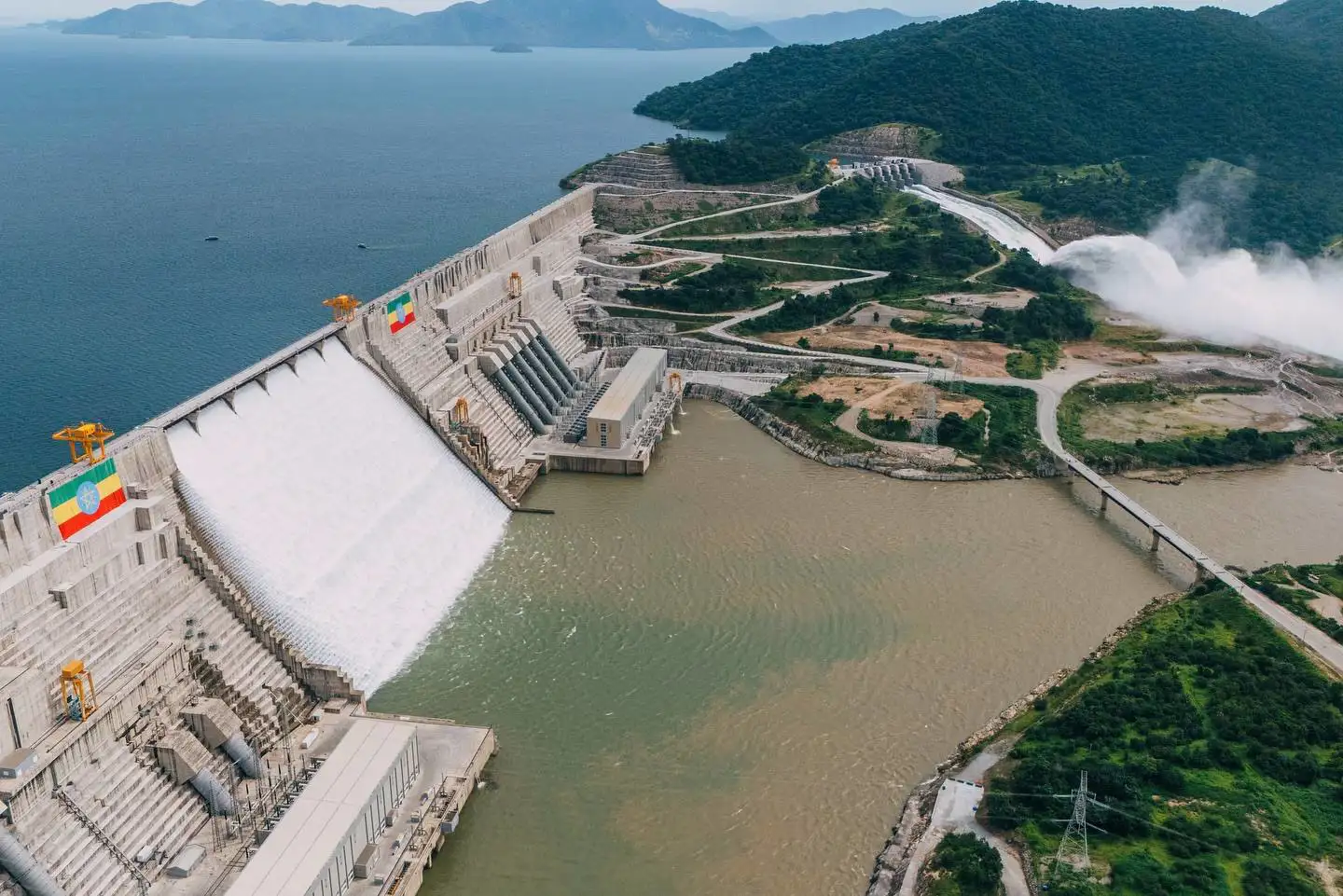
One of the key indicators of Ethiopia's economic strength is its ability to initiate and complete large-scale projects. The Grand Ethiopian Renaissance Dam is a notable example of this capability, demonstrating the country's determination and collective effort. The dam's construction has been a symbol of national pride and a testament to Ethiopia's ability to undertake complex projects. Additionally, the country has made significant progress in the energy sector, including the development of natural gas and fertilizer production.
Ethiopia has also made significant strides in the agricultural sector, achieving self-sufficiency in wheat production and becoming a net exporter of the crop. This achievement is a result of a fundamental shift in policy and practice, which has enabled the country to reduce its reliance on imported wheat and increase its foreign exchange earnings. The country's industrialization efforts have also been driven by the development of industrial parks and special economic zones, which have attracted foreign investment and facilitated technology transfer.
The development of infrastructure has been a critical component of Ethiopia's growth strategy. The country has invested heavily in building modern transportation networks, including roads, railways, and airports. The construction of a new airport in Bishoftu is an example of this effort, which aims to enhance the country's aviation sector and increase its connectivity to the global economy. Furthermore, the country's urban development initiatives have focused on creating livable cities that are attractive to tourists and residents alike.
Environmental protection and climate change mitigation have also been key priorities for Ethiopia. The country's Green Legacy initiative, which aims to plant billions of trees, has been a major success story, demonstrating Ethiopia's commitment to environmental conservation and sustainability. This effort has not only helped to mitigate the effects of climate change but also contributed to the country's economic development.
The role of technology in driving Ethiopia's economic growth has been significant. The implementation of digital payment systems and the development of a digital economy have increased the efficiency and transparency of business transactions. The country's strategy to become a digital hub in Africa has been driven by initiatives such as the "Digital Ethiopia 2025" plan, which aims to transform the country's economy and society through the use of technology.
Tourism has also been identified as a key sector for Ethiopia's economic growth. The country has invested in developing tourist infrastructure, including resorts and hotels, in areas such as Wenchi, Gorgora, and Koysha. These efforts have helped to increase tourist arrivals and boost the country's foreign exchange earnings. Overall, Ethiopia's development journey has been marked by significant progress in various sectors, driven by a commitment to economic transformation and sustainable development.
Key points
- Ethiopia's development strategy focuses on economic transformation through infrastructure development, industrialization, and technological advancements.