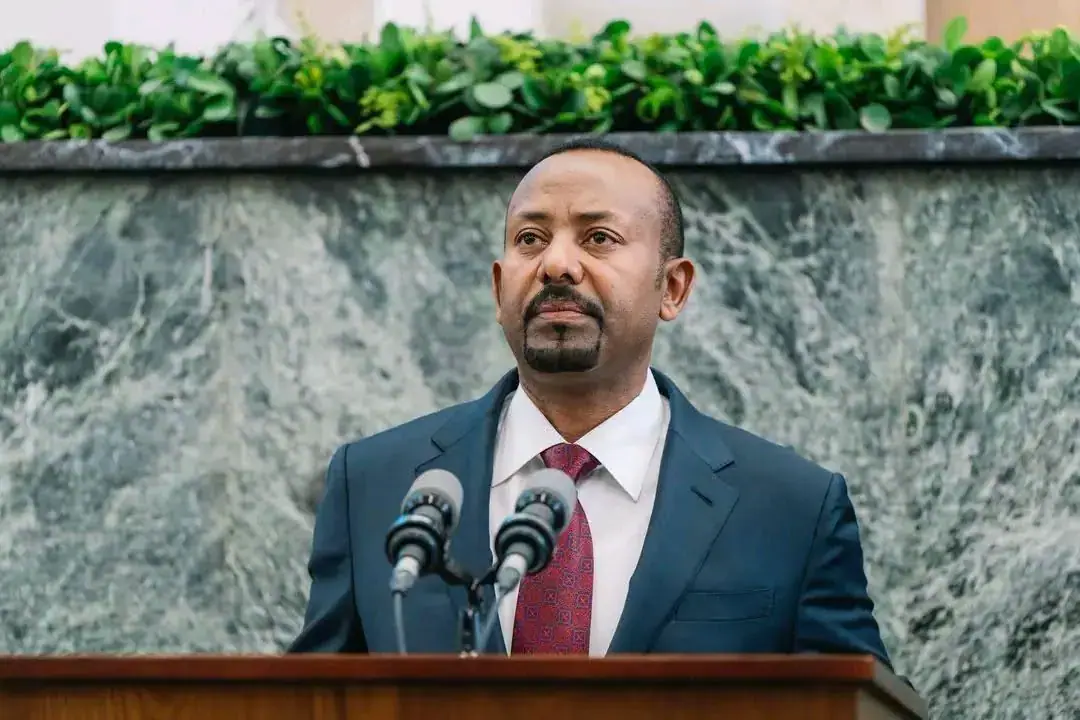
Ethiopian Prime Minister Abiy Ahmed has called on Sudanese parties to engage in dialogue, emphasizing Ethiopia's experience with conflict and war. In a statement to the Ethiopian parliament, Ahmed said his country has a long history of dealing with conflicts and wars, allowing them to understand the consequences of such actions. He stressed Ethiopia's desire for peace in Sudan and its efforts to facilitate dialogue among Sudanese parties.
Ahmed's comments come after Ethiopia's initiative to host talks between Sudanese parties, which has received mixed reactions regarding Ethiopia's role in mediation. Some Sudanese parties have reservations about choosing Addis Ababa as the host city for the dialogue. The Ethiopian government's efforts to promote peace in Sudan have been closely watched, given the two countries' historical ties and geographical proximity.
According to Ethiopian journalist Anwar Ibrahim, Ahmed stated that his country's experience with conflict has taught them the importance of reaching a peaceful resolution. Ethiopia has been involved in various conflicts throughout its history, including a devastating civil war that lasted for decades. Ahmed's government has sought to leverage this experience to promote peace and stability in the region.
The Sudanese parties' response to Ahmed's call for dialogue remains uncertain, with some factions expressing skepticism about Ethiopia's role in mediation. Sudan has been embroiled in a complex conflict involving various factions and interest groups, making a peaceful resolution challenging. Ahmed's initiative has been seen as a positive step towards promoting peace, but its success depends on the willingness of Sudanese parties to engage in meaningful dialogue.
Ethiopia's relations with Sudan have been strained in the past, particularly over issues such as border disputes and the construction of the Grand Ethiopian Renaissance Dam. However, Ahmed's government has sought to improve ties with Sudan and promote regional stability. The Ethiopian prime minister's call for dialogue has been seen as a significant step towards achieving this goal.
The international community has welcomed Ahmed's initiative, with many countries expressing support for efforts to promote peace in Sudan. The African Union and other regional organizations have been actively involved in promoting peace and stability in Sudan, and Ahmed's government has sought to coordinate its efforts with these organizations.
The success of Ahmed's initiative remains uncertain, but his government's commitment to promoting peace in Sudan is clear. Ethiopia's experience with conflict and war has provided valuable lessons, which Ahmed's government is seeking to apply to the Sudanese context. The coming weeks and months will be crucial in determining the outcome of this initiative and its potential impact on the region.
Key points
- Ethiopia's Prime Minister Abiy Ahmed has called on Sudanese parties to engage in dialogue, citing his country's experience with conflict and war.