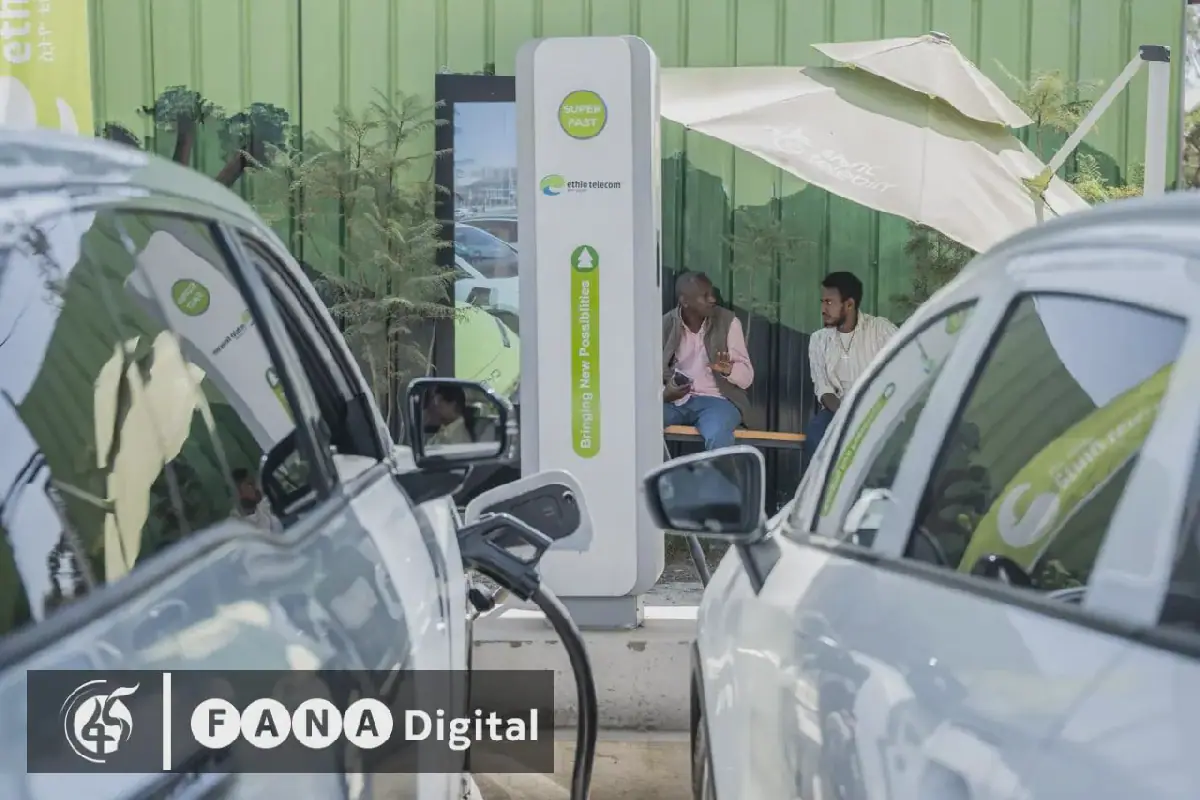
Ethiopia's bold move to transition to electric vehicles has garnered international attention, with Bloomberg hailing it as the world's fastest electric vehicle transition. The country's efforts to wean itself off fuel dependency have been praised, with Ethiopia taking unprecedented steps to address carbon emissions and fuel reliance. This transition is seen as a significant milestone in the country's economic development.
In 2024, Ethiopia made a historic decision to ban fuel-powered vehicles from entering the country, opting for a full transition to electric vehicles. This move is expected to strengthen the country's economy and demonstrate its commitment to environmental protection. The decision is also anticipated to reduce the country's foreign exchange expenditure on fuel, which currently stands at $5 billion annually.
The transition to electric vehicles has already shown positive results, with citizens and public transport drivers saving up to $150 per month on fuel costs. According to Bloomberg, over 60% of newly registered vehicles in Addis Ababa in 2024 were electric. This rapid growth has seen the number of electric vehicles in the country increase from 7,000 in 2022 to an expected 100,000 by 2025.
The main driving force behind Ethiopia's electric vehicle transition is the Grand Ethiopian Renaissance Dam, which has a generating capacity of 5,000 megawatts of clean electricity. The country is one of the few in the world to use 99% clean energy, and this has been recognized globally. The electric vehicle policy goes beyond just purchasing vehicles, with a focus on developing the local industry.
Local companies, such as Beyene Construction Group (BCG), are working with Chinese experts to assemble vehicles, creating job opportunities for Ethiopian youth. This approach not only builds local capacity but also generates employment. The government's focus on expanding energy infrastructure and road networks is also underway, with efforts to increase the number of electric vehicle charging stations.
Ethiopia aims to have 500,000 electric vehicles on the road by 2033, with over 2,000 charging stations. The country's commitment to sustainable development and environmental protection has been acknowledged globally, with international news outlets highlighting its progress. The electric vehicle transition is a significant aspect of Ethiopia's development journey.
The recognition of Ethiopia's efforts by global news networks, such as Bloomberg, is a source of pride for the country. The electric vehicle transition demonstrates Ethiopia's commitment to harnessing its natural resources and policy initiatives to drive growth. As the country continues on its development path, its progress in this area serves as a notable example of its potential for future growth.
Key points
- Ethiopia's electric vehicle transition is being driven by its commitment to clean energy and sustainable development.