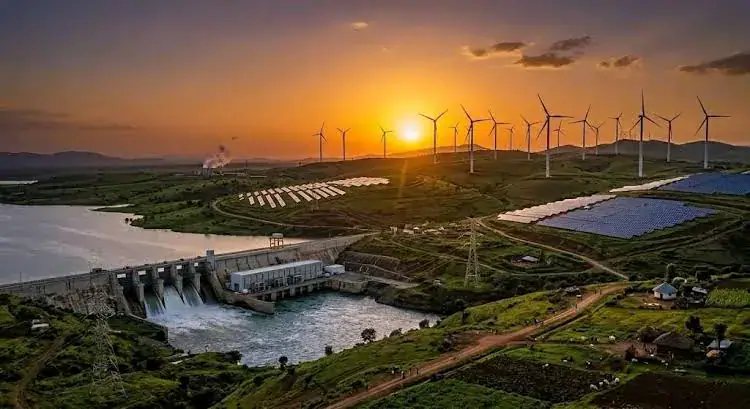
Ethiopia is leveraging its substantial renewable and alternative energy resources in a coordinated manner to accelerate its economic growth and make a significant contribution to environmental conservation and regional energy connectivity. The country, endowed with abundant water, wind, solar, and geothermal resources, has implemented numerous power generation projects, including the Grand Ethiopian Renaissance Dam. These energy sources are providing a reliable power supply to industrial parks and manufacturing sectors, supporting the country's economic transformation.
The development of the energy sector in Ethiopia not only meets domestic consumption but also generates substantial foreign exchange earnings by exporting electricity to neighboring countries. By replacing traditional wood consumption for household use with clean energy, Ethiopia has made a considerable contribution to reducing deforestation and promoting its Green Legacy program. The global community is increasingly recognizing the crucial role of clean energy in combating climate change. Africa, despite being a minimal contributor to climate change, faces significant challenges due to droughts, unpredictable rainfall, floods, and extreme temperatures affecting the lives of its citizens.
To address this challenge, Ethiopia has designed a climate-resilient economic strategy and is successfully implementing its Green Legacy program. The strategy aims to mitigate the air pollution and associated health problems caused by coal and wood consumption. By expanding renewable energy development, Ethiopia is poised to become a clean energy hub in the region, providing electricity to neighboring countries and strengthening regional cooperation and ties. This approach is expected to have a positive impact on the country's economic growth and environmental sustainability.
Ethiopia's clean energy initiatives have been gaining momentum, with a focus on harnessing its renewable resources to drive economic growth and reduce greenhouse gas emissions. The country's energy sector has been witnessing significant investments, with a particular emphasis on hydroelectric power, wind energy, and solar energy. These efforts are expected to enhance the country's energy security, reduce its reliance on fossil fuels, and promote sustainable development.
The Ethiopian government has been actively promoting the development of renewable energy, with a target of increasing its electricity generation capacity to 40,000 megawatts by 2025. The country has also been working to enhance its regional energy ties, with plans to export electricity to neighboring countries, including Djibouti, Kenya, and Sudan. These efforts are expected to generate significant revenue for Ethiopia and promote economic integration in the region.
Ethiopia's commitment to clean energy development has been recognized globally, with the country being hailed as a leader in the field. The country's efforts to promote sustainable development and reduce greenhouse gas emissions have been praised by international organizations and countries. Ethiopia's experience in clean energy development can serve as a model for other countries in the region, particularly those with similar renewable energy resources.
As Ethiopia continues to develop its clean energy sector, it is expected to face new challenges and opportunities. The country will need to address issues related to energy storage, grid management, and policy frameworks to ensure the sustainability of its clean energy initiatives. Nevertheless, Ethiopia's progress in clean energy development is a positive step towards a more sustainable and environmentally friendly future.
Key points
- Ethiopia is leveraging its renewable energy resources to drive economic growth and promote environmental sustainability.
- The country aims to become a clean energy hub in the region, providing electricity to neighboring countries.
- Ethiopia's clean energy initiatives have been recognized globally, with the country being hailed as a leader in the field.