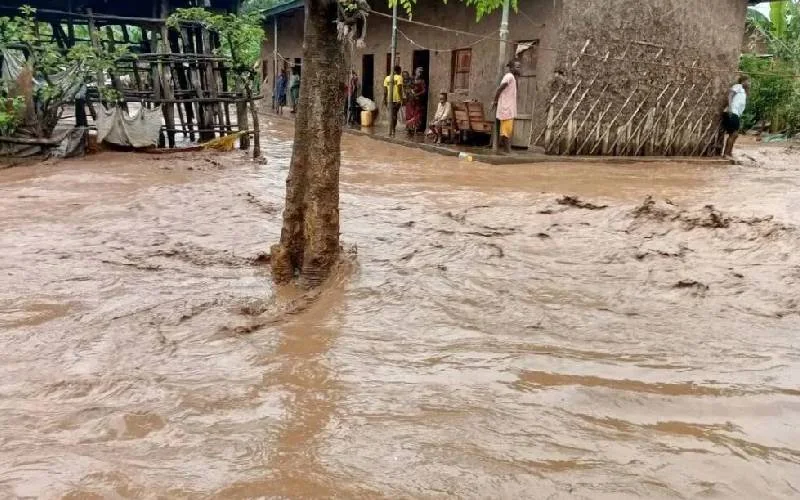
Ethiopia's Disaster Risk Management Commission has released a national flood alert for the October-to-January Bega season, citing the threat of heavy rainfall, flash floods, and unseasonal rains across several regions. The alert is based on the Ethiopian Meteorological Institute's seasonal forecast, which projects normal to above-normal rainfall in areas that typically receive Bega rains. Communities along rivers, in low-lying zones, and cities with limited drainage are especially vulnerable to flooding.
The bulletin noted that flooding remains a recurrent disaster in Ethiopia, causing loss of life, damage to property, infrastructure, and livelihoods. Early warning is described as a key preparedness tool, with continuous monitoring of rainfall, river levels, and local conditions enabling further alerts and actions. The commission urged communities, government bodies, humanitarian agencies, and other stakeholders to act on the forecast, turning early warning into preparedness, early action, and response to protect lives and property.
Forecasts indicate above-normal rainfall for southern Ethiopia, including Sidama, parts of southern Oromia, most of the Somali region, and the country's southern zones. While the Bega rains are expected to start early and follow a normal pattern, some southern and southwestern areas may see delayed onset and occasional heavy downpours. Isolated pockets could experience particularly intense rainfall and flash floods, according to the bulletin.
Unseasonal rains are also forecast for northern, northeastern, eastern, and central Ethiopia during October and November, posing risks to communities and crops as the main rainy season ends. The alert arrives amid a broader climate picture where excessive rainfall in the south coexists with severe drought and water shortages in other regions, both linked to the intensifying El Niño phenomenon.
The Ethiopian Meteorological Institute's seasonal forecast highlights the complexities of the country's climate, with varying conditions across different regions. The institute's forecast is based on analysis of climate patterns, satellite data, and ground observations, providing a comprehensive view of the country's climate risks.
The flood alert is a critical reminder of the need for preparedness and early action in the face of climate-related disasters. Ethiopia has experienced numerous floods in recent years, resulting in significant humanitarian needs and economic losses. The commission's alert is aimed at mitigating the impacts of flooding and ensuring that communities are better equipped to respond to climate-related shocks.
The situation in Ethiopia is closely being watched by neighboring countries, including Kenya, which has also experienced climate-related disasters in recent years. The Kenyan government has been working to strengthen its disaster response capabilities, with a focus on early warning and preparedness. The flood alert in Ethiopia serves as a reminder of the need for regional cooperation and coordination in addressing climate-related risks.
Key points
- Ethiopia's Disaster Risk Management Commission has issued a national flood alert for the October-to-January Bega season due to the threat of heavy rainfall, flash floods, and unseasonal rains.
- The alert is based on the Ethiopian Meteorological Institute's seasonal forecast, which projects normal to above-normal rainfall in areas that typically receive Bega rains.
- The flood alert arrives amid a broader climate picture where excessive rainfall in the south coexists with severe drought and water shortages in other regions, both linked to the intensifying El Niño phenomenon.