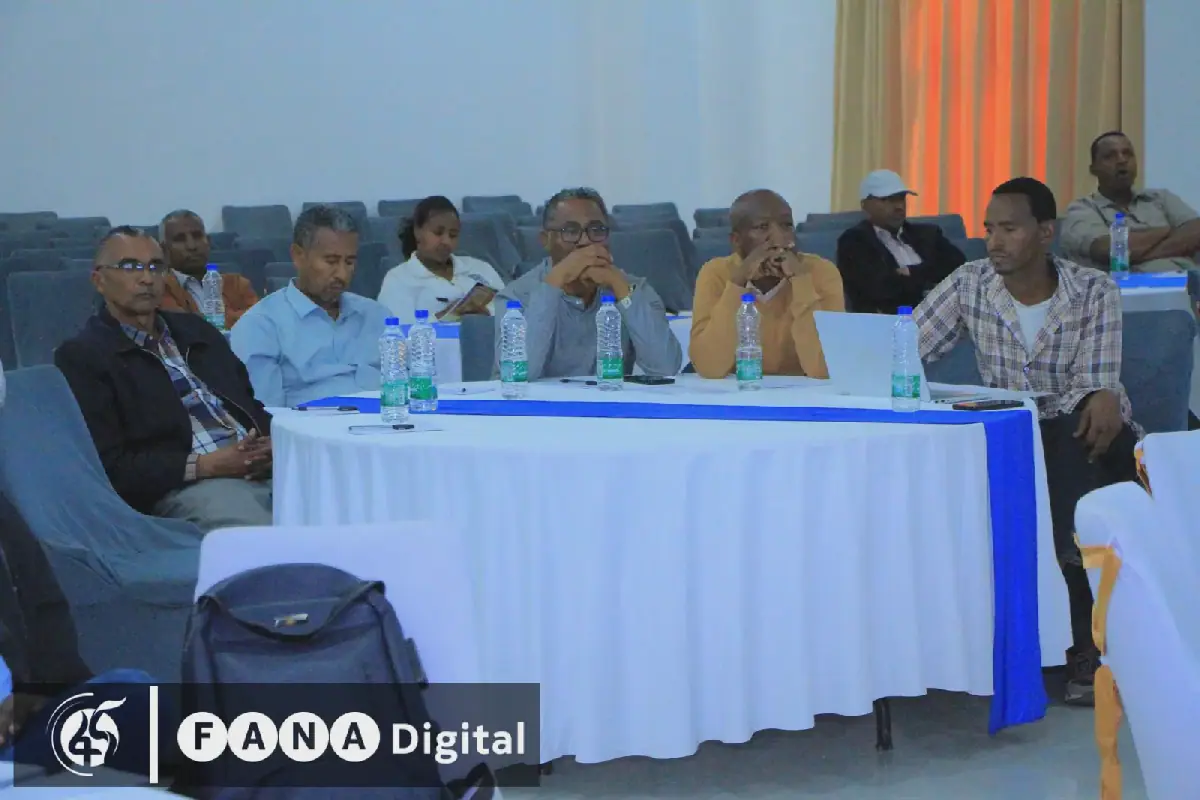
The Ethiopian government has introduced a reliable data flow system to forecast floods in the Abaya-Chamo river basin. According to the Water and Energy Ministry, this system is part of the ongoing Ethiopian Flood Risk Management and Resilience Project. The project aims to transition the country's water resource management from emergency response to proactive and climate-resilient practices.
The project coordinator, Tesfaye Ababu, stated that the initiative will play a significant role in ensuring the country's water security by integrating scientific research with practical decision-making. The system will provide accurate and timely flood warnings, enabling communities to take necessary precautions and minimize damage. This project focuses on the Abaya-Chamo sub-basin, where three comprehensive study reports have been reviewed.
The study reports, conducted by Arba Minch University, examined integrated water resource management, flood risk reduction, and institutional capacity building in the basin. The reports identified flood-prone areas and developed a framework for early warning systems. Additionally, the project aims to enhance the technical and institutional capacity to collect and analyze water and weather data, ultimately reducing flood-related risks.
The Water and Energy Ministry reported that the project has established a reliable data flow system, enabling flood forecasting in the Abaya-Chamo and Simit River basins. This achievement is a significant milestone in the country's efforts to manage its water resources effectively and mitigate the impacts of flooding. The ministry emphasized that this system will be instrumental in supporting informed decision-making and reducing the risks associated with flooding.
The Ethiopian Flood Risk Management and Resilience Project is being implemented in collaboration with various stakeholders, including Arba Minch University, Haramaya University, and the Ethiopian Meteorological Institute. The project involves the installation of climate monitoring stations and early warning systems in several river basins, including the Abaya-Chamo, Wabi-Shebele, and Ganale Dawa.
The project's focus on institutional capacity building and technical assistance aims to ensure the long-term sustainability of the flood forecasting system. By enhancing the capacity of local institutions, the project seeks to promote a culture of proactive flood risk management and climate resilience in Ethiopia. This approach is expected to have a positive impact on the lives of communities living in flood-prone areas.
The successful implementation of the flood forecasting system in the Abaya-Chamo river basin is a significant step towards achieving Ethiopia's goal of reducing flood-related risks and promoting sustainable water resource management. The project serves as a model for other river basins in the country, demonstrating the importance of proactive measures in mitigating the impacts of flooding and promoting climate resilience.
Key points
- The Ethiopian government has launched a flood forecasting system for the Abaya-Chamo river basin to enhance water resource management and mitigate flood risks.
Reporting sources
- በአባያ-ጫሞ ተፋሰስ ወንዞች ላይ የጎርፍ ትንበያ ማከናወን የሚያስችል የመረጃ ስርዓት ተዘርግቷል · Fana Broadcasting Corporate