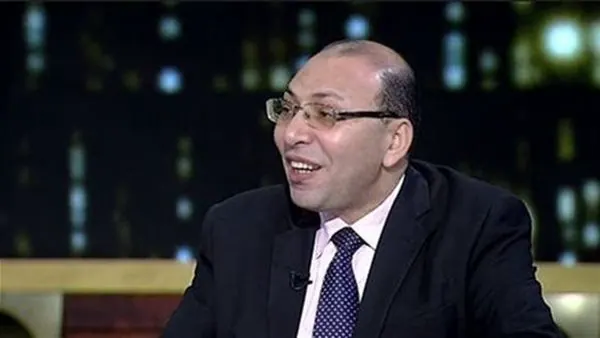
Ethiopia is stepping up its diplomatic efforts with regional partners to contain the fallout from the conflict in Tigray. According to Dr. Ramadan Qarni, a specialist in African affairs, the Ethiopian government is seeking to strengthen ties with key regional players, including Somalia and Djibouti, on both political and security fronts. This move aims to prevent the conflict from spilling over into neighboring regions. The government's efforts come amid significant losses and the formation of an alliance between seven opposition forces.
The conflict in Tigray has shown signs of spreading to other regions, including Amhara and Afar. This development has increased pressure on the Ethiopian government and complicated the internal situation. A visit by the Somali president to Ethiopia is seen as an attempt by Addis Ababa to create a regional alignment that supports its stance on the conflict. The timing of the visit is crucial, given the rapidly evolving situation in Tigray.
Ethiopia and Djibouti have signed an economic agreement that allows Addis Ababa to import oil derivatives. This move highlights the importance of regional relationships for Ethiopia during this challenging period. Djibouti has also called for de-escalation and a halt to hostilities in Tigray. The agreement reflects the significance of these relationships in addressing the crisis.
Ethiopia has secured supportive positions from the United States, Israel, the European Union, and the UAE. These international backers have called for an end to the war in Tigray. As a result, Ethiopia is likely to intensify its political and diplomatic efforts to create a regional alignment that prevents the conflict from spreading and maintains the image of a stable state.
Dr. Qarni suggests that Ethiopia's diplomatic machine may launch targeted campaigns against certain regional countries, including Egypt, Sudan, and Eritrea. The goal, he believes, is to divert domestic attention from the Tigray situation and create an African regional front that supports Ethiopian policies.
The coordination between Ethiopia and its international partners, including the US and Israel, may provide a diplomatic cover for the Ethiopian government during its military operations in Tigray. This alignment could help mitigate international criticism related to human rights.
The situation in Tigray remains complex, with ongoing conflict and humanitarian concerns. Ethiopia's regional diplomacy will likely play a crucial role in determining the course of the conflict and its impact on the region. The international community continues to watch the developments closely, with many calling for a peaceful resolution to the crisis.
Key points
- Ethiopia is strengthening regional ties to contain the Tigray conflict's fallout.
- The conflict has spread to Amhara and Afar regions, increasing pressure on the government.
- Ethiopia has secured international support from the US, Israel, EU, and UAE.