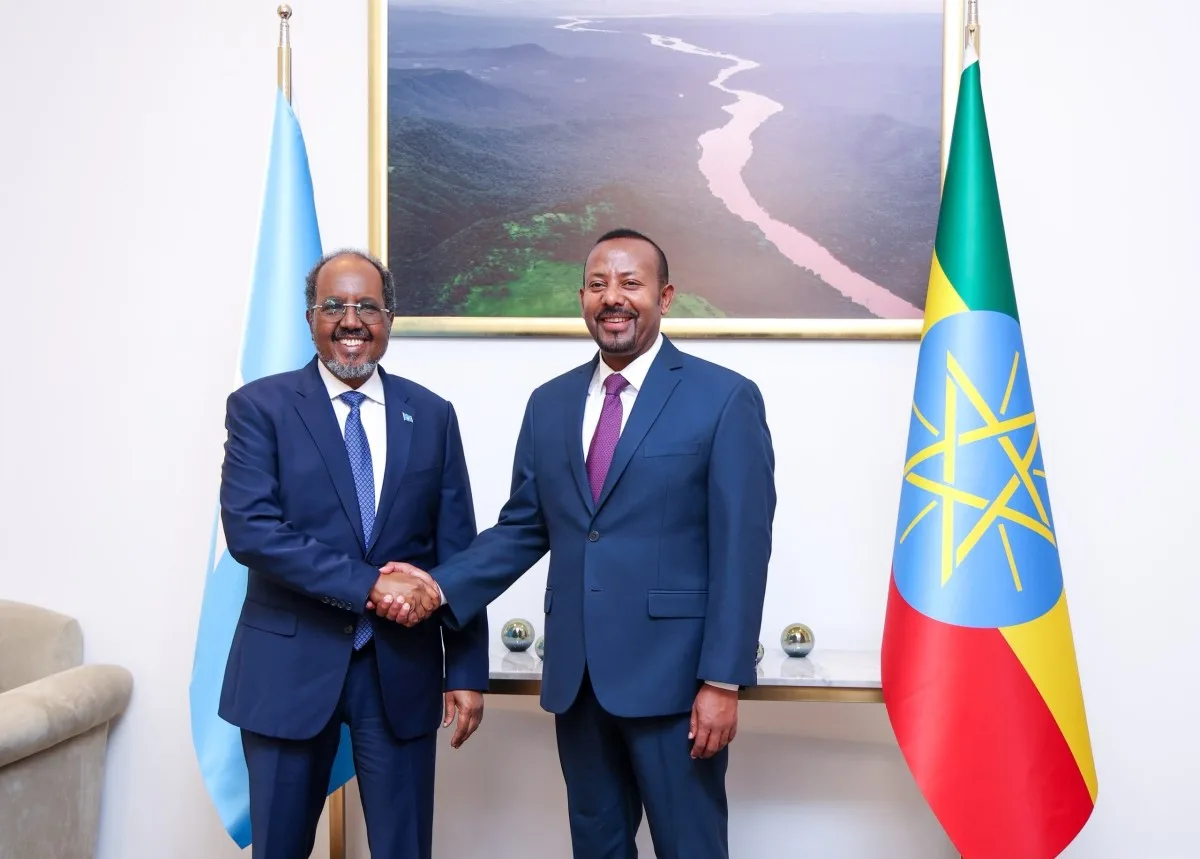
The government of Ethiopia has expressed deep disappointment and concern over a joint statement signed by Somalia, Egypt, Eritrea, and Sudan on October 4, 2026, in New Alamein, Egypt. According to the Ethiopian administration, certain clauses in the agreement directly affect its interests in the Nile River and Red Sea security. The statement was issued after the four countries discussed regional security, state sovereignty, and the use of the Nile River.
The joint statement emphasized the importance of enhancing consultation and cooperation in politics, economy, and security among the four nations. The leaders of the countries reaffirmed their commitment to respecting the sovereignty, unity, and territorial integrity of states in the region and resolving disputes through dialogue and peaceful means. They also agreed to establish a permanent mechanism to monitor the implementation and outcomes of future meetings.
A key point in the joint statement relates to the Nile River, where the countries called for adherence to international law regarding transboundary rivers. They specifically stressed the principle of not causing harm to other countries and taking major water-related actions based on prior notification, consultation, and agreement. This point is particularly sensitive for Ethiopia, given its long-standing dispute with Egypt over the management of the Nile River.
Ethiopia's concerns are largely driven by its Grand Ethiopian Renaissance Dam (GERD) project on the Nile River. Egypt has expressed concerns that the dam could negatively impact its share of the Nile's waters. The Ethiopian government has maintained that it has the right to utilize its natural resources, while Egypt argues that major water projects should not harm the water usage of downstream countries.
The joint statement also touched on Red Sea security, emphasizing that coastal states have special responsibilities for the security and management of the waterway. This is significant for Ethiopia, which has been seeking a seaport independent of other East African countries. The statement comes as Ethiopia's relations with Eritrea are strained, with Ethiopia accusing Eritrea of supporting armed groups against the Ethiopian federal government.
Eritrea has denied these allegations and stated that it has no influence over the renewed conflicts in parts of Ethiopia. The tensions between Ethiopia and Eritrea add complexity to the regional dynamics, with Ethiopia's relations with its neighbors being closely watched. The joint statement by Somalia, Egypt, Eritrea, and Sudan reflects their shared concerns and interests in regional security and cooperation.
The situation remains fluid, with Ethiopia's reaction to the joint statement indicating potential challenges for regional cooperation. The emphasis on dialogue and peaceful resolution of disputes may provide a pathway for addressing these concerns. However, the complex interplay of interests and historical disputes among the countries involved suggests that finding common ground will require sustained diplomatic efforts.
Key points
- Ethiopia objects to the joint statement due to concerns over Nile River management and Red Sea security.
- The statement emphasizes respect for sovereignty and territorial integrity among the signatory countries.
- Ethiopia's relations with Eritrea and Egypt are critical factors in the regional dynamics.