Ethiopia is positioning itself as a leader in clean energy in Africa, as it prepares to host the COP32 climate summit next year. The country's ambitious hydropower plans are a key part of this effort. Ethiopia aims to increase its electricity production and export power to neighboring countries. The government is investing in large-scale hydropower projects to achieve this goal. This initiative is expected to have a positive impact on the country's economy and environment. Ethiopia's commitment to clean energy is gaining international attention.
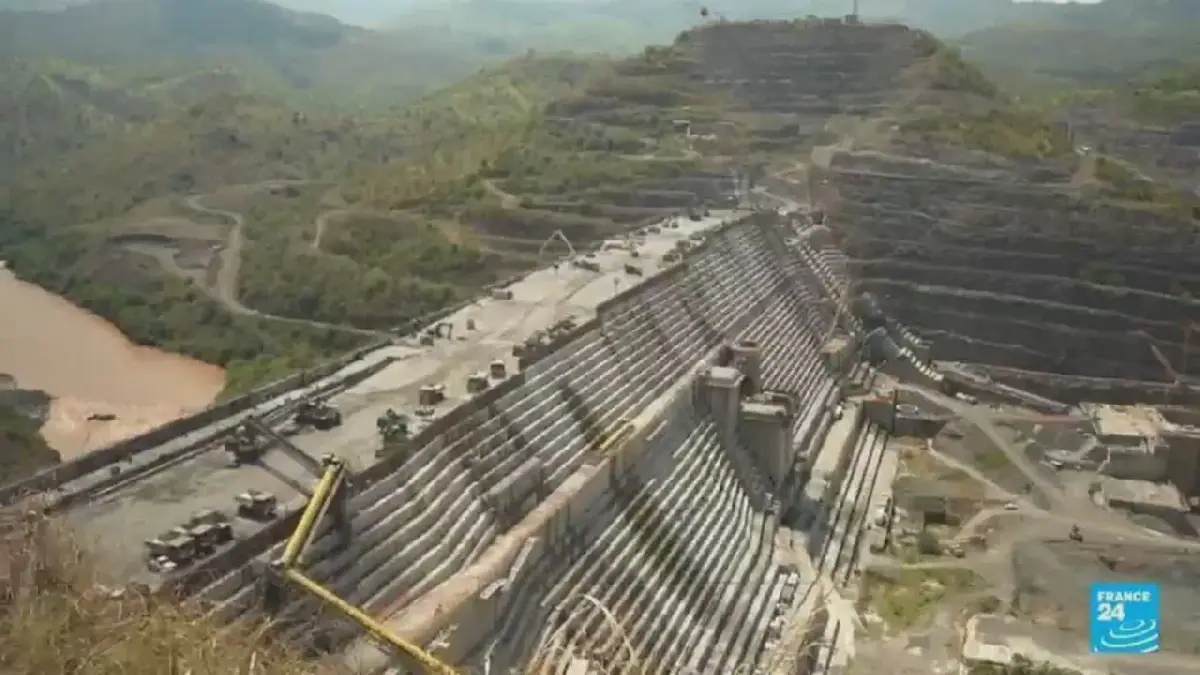
One of the major projects underway is the construction of a massive hydropower dam on the Omo River in southwestern Ethiopia. The project is part of the country's strategy to expand its electricity production and become a major player in the region's energy market. The dam is expected to generate a significant amount of electricity, which will be used to power homes, industries, and businesses. The project is also expected to create jobs and stimulate economic growth in the region. Local communities will benefit from the increased access to electricity.
The Grand Ethiopian Renaissance Dam (GERD) is another major hydropower project that has been making headlines in recent years. The dam, located on the Blue Nile River, is one of the largest hydropower dams in Africa. It has been generating electricity since its completion and has already made a significant impact on the country's energy sector. The GERD is a symbol of Ethiopia's commitment to developing its hydropower resources and becoming a leader in clean energy.
Ethiopia's hydropower ambitions are also driven by its desire to become a major exporter of electricity to neighboring countries. The country has already started exporting power to Djibouti and Kenya. This has not only generated revenue for Ethiopia but also helped to strengthen its relationships with neighboring countries. The government is exploring opportunities to export power to other countries in the region, which is expected to have a positive impact on the country's economy.
Hosting the COP32 climate summit next year is a significant opportunity for Ethiopia to showcase its commitment to clean energy and sustainable development. The summit will bring together world leaders to discuss climate change and sustainable development. Ethiopia's experience in developing large-scale hydropower projects will be an important topic of discussion. The country's efforts to promote clean energy and reduce greenhouse gas emissions will be highlighted.
Ethiopia's clean energy ambitions are also expected to have a positive impact on the country's environment. The country is committed to reducing its greenhouse gas emissions and promoting sustainable development. The development of hydropower is seen as a key part of this effort. Hydropower is a clean and renewable source of energy that can help to reduce the country's reliance on fossil fuels and mitigate the impacts of climate change.
In conclusion, Ethiopia's expansion of its hydropower ambitions is a significant development in the country's energy sector. The construction of new hydropower projects, including the dam on the Omo River, is expected to increase the country's electricity production and export power to neighboring countries. Ethiopia's commitment to clean energy and sustainable development is gaining international attention, and the country is well-positioned to become a leader in the region's energy market.
Key points
- Ethiopia is building a new hydropower project on the Omo River in the southwest.