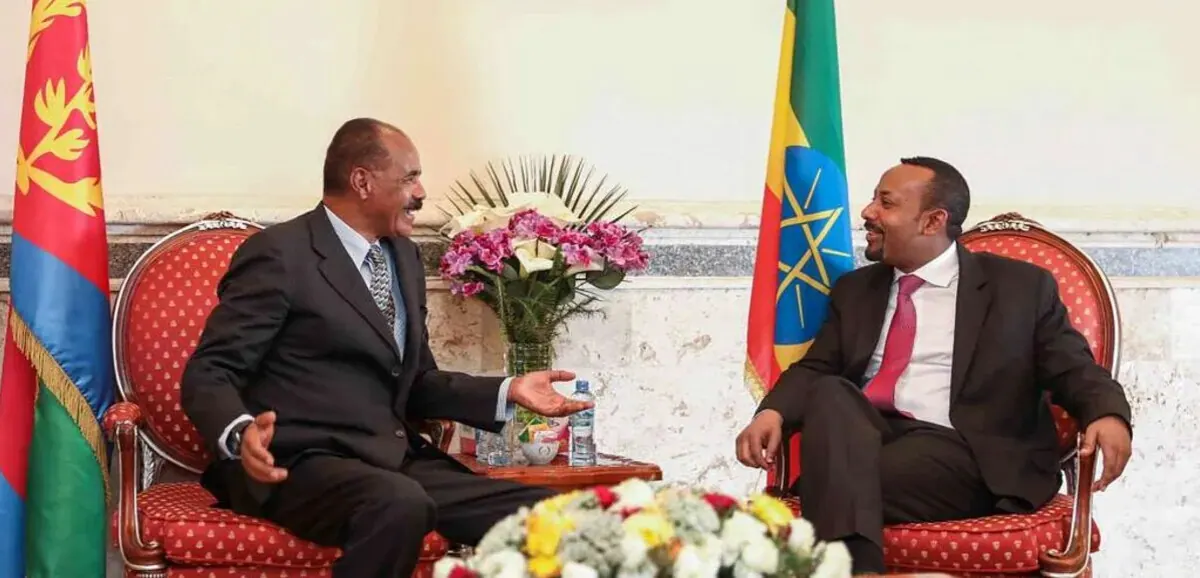
Ethiopia and Eritrea have severed diplomatic relations, with Ethiopia closing its embassy in Asmara and expelling ten Eritrean diplomats. This move was met with a reciprocal response from Eritrea, which announced the severance of diplomatic ties. The decision was made amid escalating tensions between the two countries, with Ethiopia accusing Eritrea of "acts of hostility and belligerence." The relations between the two countries had been restored in 2018 after a 20-year rift.
The Ethiopian Ministry of Foreign Affairs announced the closure of its embassy in Asmara, citing Eritrea's "direct and indirect acts of hostility and belligerence" against Ethiopia. The ministry also declared ten Eritrean diplomats persona non grata, accusing them of engaging in activities that pose a "direct threat to national security." Eritrea responded by expelling the Ethiopian chargé d'affaires and severing all diplomatic ties with Ethiopia.
The tensions between Ethiopia and Eritrea have been escalating over the past three years, with Ethiopia accusing Eritrea of supporting the Tigray People's Liberation Front (TPLF), a rebel group fighting against the Ethiopian government. Eritrea has denied these allegations, but has maintained a close relationship with the TPLF. The conflict in northern Ethiopia has resulted in significant humanitarian and economic costs.
The Ethiopian government has also accused Eritrea of seeking to gain control over the port of Assab, which is a critical location on the Red Sea. Eritrea gained independence from Ethiopia in 1993 after a long struggle, and the two countries have had a complex and often contentious relationship. The current conflict has raised concerns about the stability of the region.
The conflict in northern Ethiopia has resulted in significant humanitarian and economic costs, with thousands of people displaced and many more affected by the fighting. The Ethiopian government has been fighting against the TPLF and other rebel groups, including the Fano militia, which has been active in the Amhara region. The conflict has also had regional implications, with neighboring countries such as Djibouti and Eritrea drawn into the conflict.
The Ethiopian Prime Minister, Abiy Ahmed, has been working to normalize relations with Eritrea since taking office in 2018, but the current conflict has set back these efforts. Abiy was awarded the Nobel Peace Prize in 2019 for his efforts to promote peace and stability in the region. However, the current conflict has raised concerns about the stability of the region and the potential for further conflict.
The situation in northern Ethiopia remains volatile, with ongoing fighting between the Ethiopian government and rebel groups. The international community has called for a ceasefire and negotiations to resolve the conflict, but so far, no agreement has been reached. The conflict has significant implications for the region and the global community, and efforts to resolve it are ongoing.
Key points
- Ethiopia and Eritrea have severed diplomatic relations amid escalating tensions and conflict in northern Ethiopia.
- The conflict has significant humanitarian and economic costs, with thousands of people displaced and many more affected by the fighting.
- The international community has called for a ceasefire and negotiations to resolve the conflict.