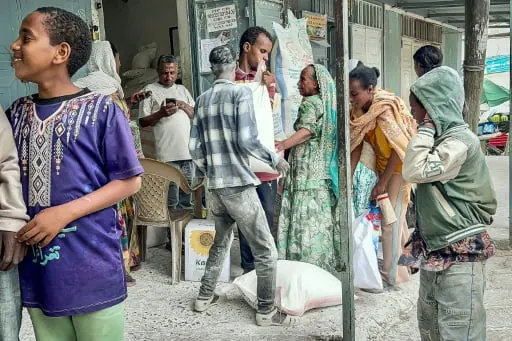
Ethiopia and Eritrea have broken diplomatic ties, with each side accusing the other of fueling internal conflicts. This development comes as fighting continues in northern Ethiopia between regional fighters and the federal government. The conflict has led to panic-buying and driven up prices, particularly among Tigrayans. The situation has raised concerns about a potential return to the devastating 2020-2022 civil war that resulted in an estimated 600,000 deaths.
The conflict between Ethiopia and Eritrea reached a crisis point after heavy fighting broke out last week between Ethiopian forces and the Tigray People's Liberation Front (TPLF). Ethiopia accused Eritrea of supporting the TPLF, leading to the expulsion of 10 Eritrean diplomats who were deemed a threat to Ethiopia's national security. In response, Eritrea's foreign ministry stated that it had no option but to reciprocate and sever all diplomatic ties with Ethiopia.
The TPLF, which dominates the state of Tigray, launched attacks into neighboring Afar and Amhara states, fighting alongside local militias. Hundreds have been killed and wounded since the fighting resumed in northern Ethiopia last week. Ethiopian Prime Minister Abiy Ahmed, who is set to be sworn in for a new term on Monday, faces conflict on multiple fronts as several armed groups have formed an alliance against him.
Eritrea gained independence from Ethiopia in 1993, and the two countries fought a border war from 1998 to 2000. Although ties improved when Abiy came to power in 2018, and the two countries even fought together against the Tigrayans during the last civil war, relations have since deteriorated sharply. Eritrea has expressed fears that landlocked Ethiopia intends to invade and seize access to the Red Sea.
An overnight explosion at the Ethiopian National Defence Force (ENDF) headquarters in Addis Ababa raised fears that the army's conflict with rebel groups had reached the capital. Diplomatic and security sources confirmed the blast, but the cause and any potential casualties remain unknown. The explosion triggered significant panic among people in the vicinity, according to a worker at a nearby bar.
The National Intelligence and Security Services have ordered a ban on all drone flights around the capital, and conflict monitor ACLED reported that drones suspected to be linked to the anti-government alliance targeted army and civilian airports in Oromia and Amhara states on Sunday. On the frontlines of the internal fighting in northern Ethiopia, signs indicate that the Tigrayan rebels are being pushed back.
Medical charity Doctors Without Borders (MSF) reported that it had registered over 420 wounded at Korem and Alamata hospitals in Tigray by September 25, and more than 300 at Shire in western Tigray. A humanitarian source estimated that tens of thousands have fled their homes in Afar, and verification is difficult due to restricted media access and significant communications disruptions.
Key points
- Ethiopia and Eritrea have severed diplomatic ties, accusing each other of stoking internal conflicts.
- The conflict in northern Ethiopia has resulted in hundreds of deaths and injuries, and raised concerns about a potential return to the devastating 2020-2022 civil war.
- The situation has led to panic-buying, driven up prices, and displaced tens of thousands of people.