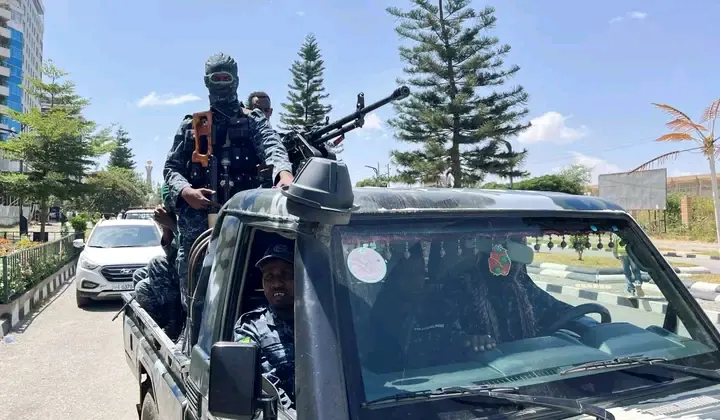
Ethiopia and Eritrea have engaged in a heated exchange of accusations, with each side blaming the other for the escalation of border tensions. On October 9, 2026, Ethiopia accused Eritrea of invading its northern territory, demanding the withdrawal of Eritrean forces. Eritrea, however, rejected these accusations, countering that Ethiopia has been pursuing an aggressive campaign against it for over three years.
According to Ethiopian Foreign Minister Gedion Timothewos, Eritrean troops advanced as far as 60 kilometers into Ethiopia's Tigray region. In response, Ethiopia described the reported incursion as an act of aggression and asserted its right to defend its sovereignty. Eritrea's Information Minister, Yemane Gebremeskel, rejected Ethiopia's account, accusing the Ethiopian government of pursuing a war of aggression.
The dispute has intensified following reports of Eritrean troops entering northern Ethiopia, Ethiopian drone strikes, and the collapse of diplomatic relations between the two neighboring countries. Witnesses, a regional military commander, and the Armed Conflict Location & Event Data Project reported the presence of Eritrean troops in areas including Adigrat and Idaga Hamus.
The situation has become more complex due to renewed internal fighting in Ethiopia. In late September, the Tigray People's Liberation Front and several allied armed groups launched attacks against Ethiopian government forces. Ethiopian government forces and allied fighters have since regained control of parts of Tigray, including the regional capital, Mekelle.
Ethiopia has also accused Eritrea of supporting the TPLF and other armed groups opposing Prime Minister Abiy Ahmed's government. Eritrea denies supporting the rebels. These competing claims have deepened mistrust between the two governments, making diplomatic efforts to contain the crisis more challenging.
Relations between Ethiopia and Eritrea have deteriorated significantly in recent weeks. Ethiopia expelled 10 Eritrean diplomats and announced the closure of its embassy in Asmara. Eritrea responded by severing diplomatic ties with Ethiopia, leaving the two governments with fewer direct diplomatic channels to resolve their differences.
The dispute over access to the Red Sea is another major source of tension. Ethiopia became landlocked when Eritrea gained independence in 1993, losing direct access to its former coastline. Prime Minister Abiy Ahmed has described maritime access as a major national interest, while Eritrea fears that Ethiopia's ambitions could threaten its territorial integrity.
Key points
- Ethiopia accuses Eritrea of invading its northern territory, while Eritrea counters that Ethiopia is pursuing a war of aggression.
- The dispute has led to a collapse in diplomatic relations between the two countries, with Ethiopia expelling Eritrean diplomats and Eritrea severing ties.
- The situation threatens to reverse years of diplomatic progress and complicate security across the wider Horn of Africa.