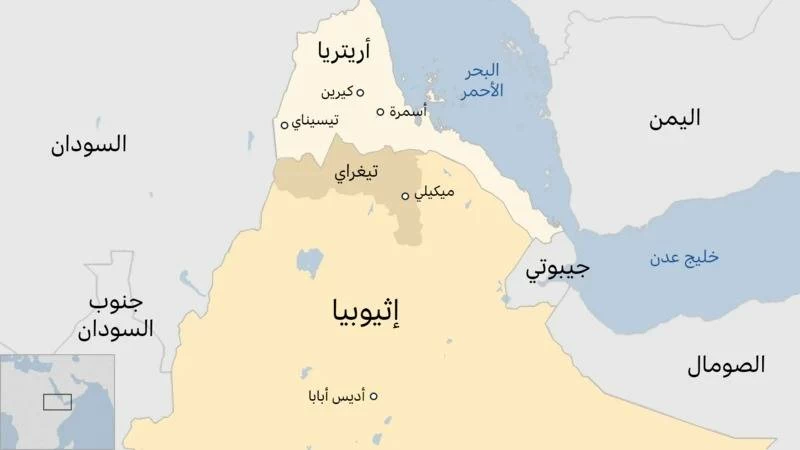
The relationship between Ethiopia and Eritrea has been complex, with a history of conflict and cooperation. In 1952, the Eritrean parliament voted to form a federation with Ethiopia, but Emperor Haile Selassie annexed Eritrea in 1962, sparking a long and bloody struggle for independence. Eritrea finally gained independence in 1993, but the two countries have since had a tumultuous relationship, with disputes over borders, trade, and access to the sea.
One of the most significant conflicts between Ethiopia and Eritrea was the two-year war that began in 1998, which resulted in the deaths of nearly 100,000 people and widespread displacement and economic damage. The war ended with a peace agreement in 2000, but the two countries have since had a long and frosty relationship, with periods of tension and occasional outbreaks of violence.
In 2018, a new era of peace and cooperation began between Ethiopia and Eritrea, with the signing of a peace agreement between Prime Minister Abiy Ahmed and President Isaias Afwerki. The agreement ended the state of war between the two countries and earned Abiy Ahmed the Nobel Peace Prize. However, critics have argued that the agreement was too focused on the personal relationship between the two leaders and did not do enough to involve other stakeholders.
Despite the 2018 peace agreement, tensions between Ethiopia and Eritrea have continued to simmer. In 2023, Abiy Ahmed sparked controversy with a speech in which he asserted Ethiopia's right to access the Red Sea and hinted at the possibility of using military force to secure this access. This speech was seen as a provocation by many in the region and contributed to a further deterioration in relations between the two countries.
The relationship between Ethiopia and Eritrea has continued to deteriorate over the past year. In 2024, Eritrea banned Ethiopian Airlines from landing in Asmara and froze its bank accounts, citing concerns over luggage theft and price hikes. This move was seen as a significant escalation of tensions between the two countries.
The tensions between Ethiopia and Eritrea have continued to rise, with Ethiopia closing its embassy in Asmara and expelling 10 Eritrean diplomats in October 2026. Eritrea responded by cutting diplomatic ties with Ethiopia, and the situation remains volatile, with clashes reported in northern Ethiopia. The two countries have a long and complex history, and it remains to be seen whether they can find a way to resolve their differences and establish a lasting peace.
Key points
- The relationship between Ethiopia and Eritrea has been marked by periods of conflict and attempts at peace, including a 2018 peace agreement that earned Ethiopia's Prime Minister Abiy Ahmed the Nobel Peace Prize.
- Tensions between the two countries have continued to rise, with Eritrea cutting diplomatic ties with Ethiopia in October 2026.
- The situation remains volatile, with clashes reported in northern Ethiopia and concerns over access to the Red Sea and regional stability.