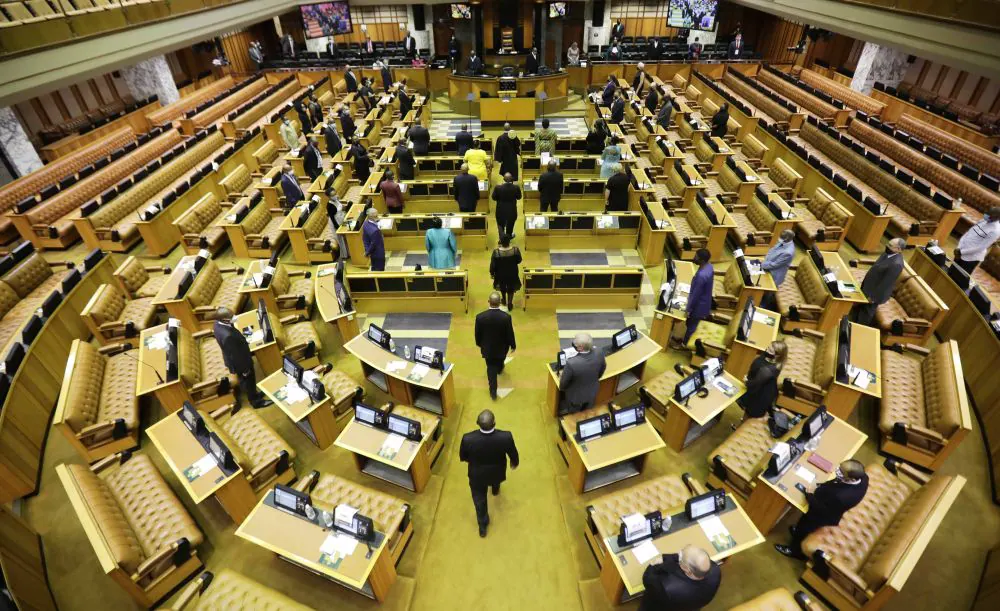
The Organisation Undoing Tax Abuse (Outa) is urging lawmakers to strengthen the Executive Members' Ethics Amendment Bill 2026, ensuring that public office bearers remain subject to ethical scrutiny even after leaving or switching roles. This comes as South Africa faces immense strain on public trust in government institutions and legal gaps in enforcing executive accountability. The bill aims to amend the Executive Members' Ethics Act of 1998 to strengthen ethical standards, accountability, and enforcement of the executive ethics code for national and provincial leaders.
The proposed bill was published for public comment on August 31, 2026, with the closing date for submissions being October 2, 2026. Outa's submission emphasizes that resignation, dismissal, or reshuffle must not end an investigation into alleged ethics breaches committed while in office. The organization argues that ministers and MECs must not be able to escape ethics investigations by resigning, being dismissed, or moving to another portfolio. This call for reform highlights concerns over accountability and the need for transparent investigations.
Outa's Parliamentary Engagement and Research Manager, Dr. Rachel Fischer, stressed that the public deserves clear answers regarding ethics complaints, including investigations and consequences. Fischer cited several high-profile cases where ministers, deputy ministers, and MECs have resigned, been dismissed, or reshuffled while facing serious legal or parliamentary probes. These cases include former Social Development minister Sisisi Tolashe, former Sports, Arts and Culture minister Zizi Kodwa, and former Health minister Zweli Mkhize, among others.
The trend of public officials resigning or being reshuffled amid investigations has sparked debate over accountability. While leaders rarely state that they are stepping down to escape investigation, a notable number of ministers, deputy ministers, and MECs have left office under such circumstances. Outa argues that leaving office must not make questions about ethics complaints disappear. The organization believes that clear investigation deadlines, visible consequences, and continued accountability after an official's departure are essential.
The amendment bill outlines procedures for reporting ethics breaches to the Public Protector, clarifies investigation and reporting processes, and sets rules for tabling findings before Parliament and provincial legislatures. It also codifies sanctions and permissible legal consequences for executive officials found in breach of the code of ethics. Furthermore, the bill tightens the framework for financial declarations to prevent ministers, deputy ministers, and MECs from using public offices for personal enrichment.
However, Outa suggests that the bill should be strengthened by enforcing clear investigation deadlines and mandating verified financial disclosures. The organization also emphasizes the need for fair, timely answers when serious allegations arise against executive members. This includes the ongoing controversy involving suspended Police Minister Senzo Mchunu, who has been on special leave since July 2025 amid allegations of political interference and links to criminal networks.
Political analysts, including Professor Theo Neethling and Sandile Swana, support Outa's call for reform, emphasizing that holding public office should not exempt individuals from scrutiny regarding possible unethical conduct. They argue that accountability should be linked to the conduct itself, rather than merely to the person's continued tenure in a specific office. The analysts stress that the law should trigger immediate penalties upon adverse findings, requiring implicated officials to formally challenge evidence and sanctions.
Key points
- Outa calls for the Executive Members' Ethics Amendment Bill to ensure investigations into public office bearers continue even if they switch ministries or leave public office.
- The bill aims to strengthen ethical standards, accountability, and enforcement of the executive ethics code for national and provincial leaders.
- Analysts support Outa's call for reform, emphasizing that holding public office should not exempt individuals from scrutiny regarding possible unethical conduct.