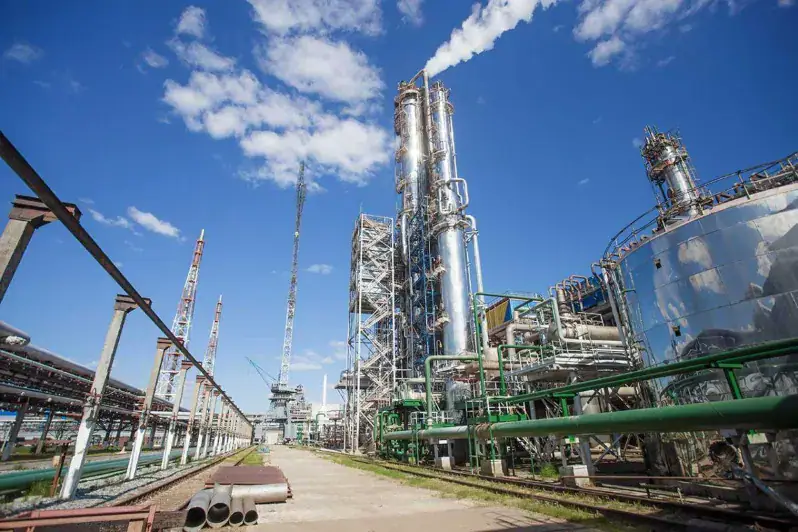
Export Trading Group (ETG), a prominent African agricultural commodities trader, has announced plans to invest $2 billion in a natural-gas-based urea fertilizer factory in northern Mozambique. The proposed facility aims to utilize Mozambique's abundant natural gas reserves, particularly from the Rovuma Basin in Cabo Delgado, as feedstock for ammonia synthesis and subsequent urea production. This strategic move is expected to tap into the growing demand for fertilizers in the region.
The project was unveiled following recent discussions between ETG representatives and President Daniel Chapo, during which the company expressed its intention to invest in downstream gas-based fertilizer manufacturing and become a regional producer. If realized, the plant would mark a significant expansion of ETG's existing import-distribution business into large-scale domestic production. The facility would potentially supply Mozambique's own market and neighboring sub-Saharan countries, helping to address the region's fertilizer needs.
The timing of ETG's proposal coincides with heightened global fertilizer price volatility caused by the Iran-related conflict that has disrupted urea shipments through the Strait of Hormuz. This has prompted African importers to seek more secure supply sources, and ETG's project could provide a stable and reliable solution. The company's existing presence in Mozambique, with over four decades of operations, positions it well to capitalize on this opportunity and become a leading fertilizer producer in the region.
However, ETG notes that the project's commercial viability will depend on securing reliable natural-gas feedstock, financing arrangements, and offtake contracts, all of which remain under negotiation. The company will need to navigate these challenges to bring the project to fruition. Mozambique's energy sector already hosts several significant projects, including an onshore LNG facility and a previously abandoned $2 billion gas-fired plant by Yara International.
The proposed urea plant would contribute to Mozambique's drive to add downstream value to its gas reserves, aligning with the country's broader energy sector strategy. By leveraging its expertise and existing presence in the market, ETG aims to establish itself as a major player in the sub-Saharan African fertilizer industry. The project would also create new opportunities for economic growth and development in the region.
ETG's investment plans follow a period of significant growth and expansion for the company, which has established itself as a leading player in the African agricultural commodities market. The proposed urea plant represents a major commitment to the Mozambican economy and reflects the company's confidence in the country's growth potential. If successful, the project could have a lasting impact on the regional fertilizer market and contribute to Mozambique's economic development.
Key aspects of the project include its reliance on Mozambique's natural gas reserves, its potential to address regional fertilizer needs, and its contribution to the country's economic growth. The project's success will depend on various factors, including securing necessary agreements and financing. Overall, ETG's proposal has the potential to drive positive change in the sub-Saharan African fertilizer industry and support sustainable economic development in the region.
Key points
- ETG Group plans to invest $2 billion in a urea fertilizer factory in northern Mozambique.
- The project aims to utilize Mozambique's natural gas reserves and become a regional producer.
- The proposed plant would position ETG as a leading fertilizer producer across sub-Saharan Africa.