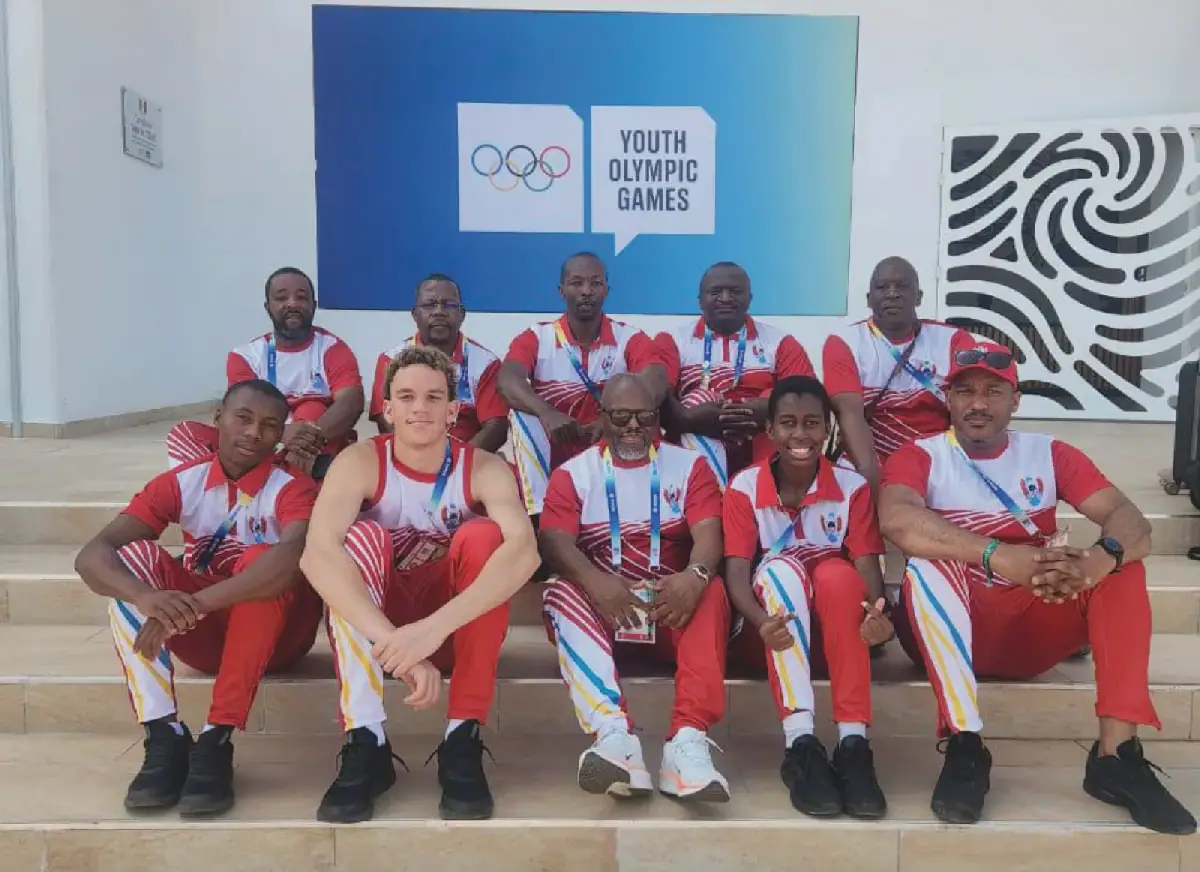
Eswatini has once again returned empty-handed from the Dakar 2026 Youth Olympic Games, prompting calls for the country to rethink its approach to sports development. A growing section of the local sporting fraternity has expressed frustration with the lack of transparency and chronic technical unreadiness that plagues the country's sports administration. This has resulted in Eswatini perfecting the art of being a 'Games participant of note,' but not achieving tangible results.
In contrast, Botswana has undergone a sporting revolution, with Letsile Tebogo, the country's Paris 2024 Olympic gold medalist, receiving formal State recognition. Tebogo's success has transformed Botswana's athletic ecosystem, convincing households that athletics is a lucrative and viable career. His prize earnings from Paris 2024 are estimated at roughly US$250 000, which, combined with national incentive schemes and corporate endorsements, is a significant sum in Southern African sport.
Botswana's rise to prominence is attributed to a deliberate and well-planned strategy, which began with the Botswana National Sports Council (BNSC) Strategic Plan (2009–2012 Cycle). The plan had the full support and backing of the country's leadership, and its implementation has been marked by significant investment in high-performance infrastructure and world-class medical and technical support.
The success of Botswana's athletes has also been accompanied by a change in the way they are perceived and celebrated in the country. When Botswana's athletes qualified for the Olympics, the fanfare was immense, with then-president Ian Khama attending a packed national stadium to show his support. This kind of political will and legacy infrastructure has been cited as a decisive catalyst in high-performance sport.
Eswatini's sports leadership is now being urged to learn from Botswana's example and take concrete steps to improve its own sports development. This includes dispatching a technical delegation to Botswana to exchange wisdom, study their governance models, and absorb their high-performance philosophies. Eswatini possesses the raw talent to produce its sports millionaires, but institutional commitment, transparent governance, and genuine political willpower are painfully absent.
The contrast between Eswatini and Botswana highlights the importance of strategic planning and investment in sports development. While Botswana has minted 10 sports millionaires in under a decade, Eswatini's continued inaction represents a missed socioeconomic intervention of the highest order. Modern sport is no longer a peripheral recreational expense; it is a high-yield industry capable of expanding national GDP and absorbing youth unemployment.
Ultimately, Eswatini's sports fraternity must swallow its pride and acknowledge that a blueprint for success sits right next door. By learning from Botswana and adopting a similar approach, Eswatini can trade participation trophies for podium glory and reap the socioeconomic benefits that come with it. The question is, will Eswatini's sports leadership take the necessary steps to bring about change?
Key points
- Eswatini's sports fraternity is criticised for accepting mediocrity in global competitions.
- Botswana's strategic planning and investment have led to Olympic success.
- Eswatini is urged to learn from Botswana's example and take concrete steps to improve its own sports development.
Reporting sources
- Why Eswatini must stop settling for mere attendance · Swazi Observer