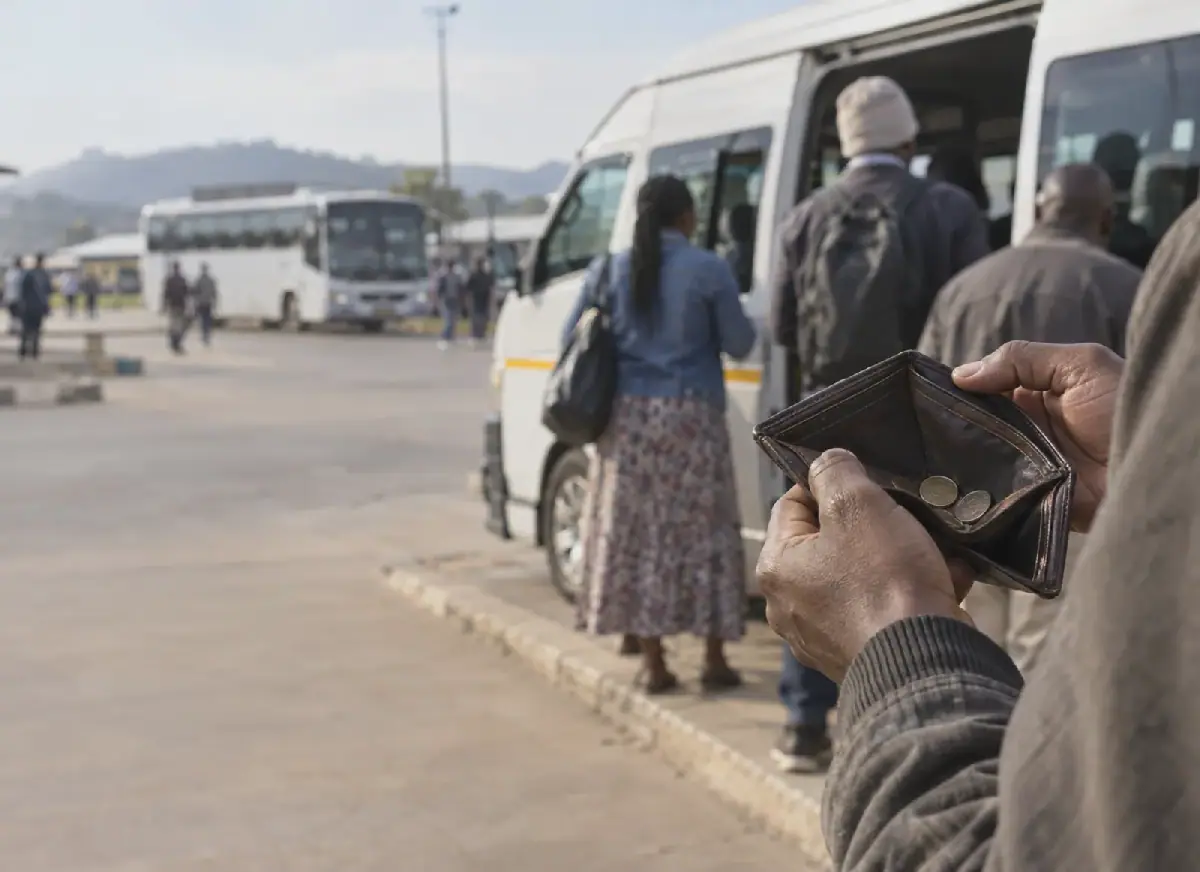
The Eswatini Local Kombi Association (ELKA) has cautioned transport owners against overcharging commuters outside of the gazetted new fares. This warning comes after numerous complaints from passengers who claim to have been charged the new rate of E12.50 since Friday, November 13, despite the official increase not taking effect until midnight on Monday, November 16. ELKA Secretary General Sabelo Dlamini stated that the association has received reports of operators charging more than the gazetted fares, particularly in areas with poor road conditions.
The new tariffs, approved by Parliament, follow a review of the Maximum Bus and Taxi Fares (Amendment) Regulations, 2026. Under the approved structure, short-distance bus fares for the first eight kilometres have risen by 25% from E10 to E12.50. Intermediate journeys of between eight and 50 kilometres increase from 70 cents to 77 cents per kilometre, while long-distance fares over 50 kilometres rise by 10% from 66 cents to 72.60 cents per kilometre. The regulations require operators to display a seven-day notice before implementation, but some operators have started charging the new rates prematurely.
Commuters around Mbabane reported being charged E12.50 since Friday, November 13, while in some areas around Pigg’s Peak, passengers claimed to have been overcharged. Dlamini dismissed justifications from operators who claimed they had reached agreements with passengers to charge more due to poor road conditions. He emphasized that the gazette is law and that nobody should charge fees arbitrarily.
Dlamini urged all operators to be transparent by displaying the official fare schedule bearing the association’s logo or letterhead inside their kombis for all passengers to see. The fare schedules contain contact numbers where aggrieved commuters can lodge complaints. He also advised passengers to demand tickets for every trip, which can be used as evidence against operators found to be overcharging.
According to Dlamini, many commuters are still unaware of the exact adjusted fares for their routes, making them vulnerable to exploitation. ELKA is working with traffic police and inspectors to monitor compliance. The fare hike, the first major adjustment since 2022, was driven by escalating operational costs, including sharp rises in fuel prices, spare parts, tyres, and insurance.
The National Road Transportation Council (NRTC) had initially demanded a 50% increase on short routes, but Parliament’s portfolio committee recommended a lower 25% increase to cushion commuters. The new structure has resulted in fare increases for various routes, including the 37km Mbabane-Manzini route via MR103, which rises from E30.30 to E44.40.
ELKA has urged passengers to report any operator charging above the gazetted fares before midnight on Monday, November 16, or charging beyond the approved rates thereafter, to their nearest police station or association office. Dlamini warned that transport owners who abuse passengers will lose their permits, emphasizing that the permits are a privilege.
Key points
- Transport operators in Eswatini risk losing their permits if found guilty of overcharging commuters outside of the gazetted new fares.
- The Eswatini Local Kombi Association is working with traffic police and inspectors to monitor compliance with the new fare structure.
- The fare hike was driven by escalating operational costs, including sharp rises in fuel prices, spare parts, tyres, and insurance.
Reporting sources
- Operators overcharging customers to lose permits · Swazi Observer