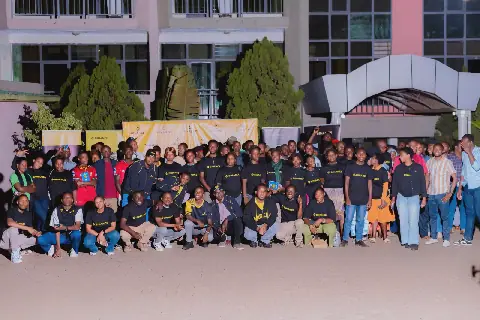
The Eswatini Suppliers Association (ESA) has called for urgent government intervention after the Eswatini Revenue Service (ERS) froze suppliers' bank accounts over outstanding tax obligations. The suppliers claim they are being unfairly affected due to long delays in government payments. According to Mduduzi Simelane, interim Secretary General of the ESA, the association wants a meeting involving government, the ERS, the finance portfolio committee, and other stakeholders to find a solution to the challenges faced by government suppliers.
The ESA, a newly formed entity, represents micro, small, medium, and large businesses that supply goods and services to both the public and private sectors. The association claims that delayed government payments have become a serious challenge for businesses, making it difficult for them to pay workers, settle debts, purchase stock, and meet other operating costs. Simelane stated that the freezing of accounts has placed businesses under severe financial pressure, particularly small and medium-sized enterprises that depend on regular cash flow to operate.
The suppliers argue that delayed government payments have contributed to their cash flow problems, while tax enforcement measures can further restrict their ability to operate. The ESA described the situation as a contradiction, stating that government payment delays affect suppliers' ability to meet their tax obligations. The association is seeking a fair and practical solution that allows businesses to remain operational while meeting their obligations. The suppliers are not fighting against paying taxes but want authorities to consider the impact of government payment delays when dealing with suppliers who have outstanding tax obligations.
The ESA has urged all parties to work together to address the problem and ensure that tax collection and government payments are handled in a way that considers the circumstances of affected businesses. The association's objective is to seek a solution that allows businesses to remain operational while meeting their obligations. The suppliers maintain that government suppliers play an important role in keeping public services running and that their businesses need a stable cash flow to continue operating.
The formation of the ESA comes as about 125 government suppliers have left the Federation of Eswatini Business Community (FESBC) to form their own body. The move is aimed at allowing government suppliers to directly deal with issues affecting them. Interim Chairperson of the association, Boyson Mamba, stated that the main reason for forming the association was to give government suppliers a platform to meet, discuss their challenges, and speak with one voice.
The suppliers are calling for an urgent meeting with the relevant authorities to discuss the matter and find ways of protecting businesses, jobs, and the wider economy. The ESA has raised concerns about personal accounts being affected, stating that this could place additional pressure on business owners and their families. The association wants government and the ERS to stop freezing accounts without first engaging affected suppliers and considering the money owed to them by government.
The Eswatini Suppliers Association has formally represented its concerns in the spirit of constructive engagement and in the national interest. The association is a legally registered entity incorporated under the Companies Act of 2009. The suppliers' situation highlights the challenges faced by businesses that provide goods and services to the State, particularly in the context of delayed government payments and tax enforcement measures.
Key points
- The Eswatini Suppliers Association demands urgent government intervention to address the freezing of bank accounts by the ERS due to outstanding tax obligations.
- Delayed government payments have contributed to cash flow problems for suppliers, making it difficult for them to meet their tax obligations.
- The association seeks a fair and practical solution that allows businesses to remain operational while meeting their obligations.