The Ministry of Home Affairs in Eswatini has reported a significant increase in the expungement of marriage certificates. According to the Second Quarter Report for the 2026/2027 financial year, 201 marriage certificates were expunged between July and September. This represents a 37 increase from the previous quarter. The report also shows that July had the highest number of expungements at 87, followed by September at 64 and August at 50.
The Ministry of Home Affairs has attributed the increase in expungements to administrative processing, stating that the figures do not necessarily indicate an increase in divorces. The ministry has become the country's administrative undertaker, with couples voluntarily carrying their own death certificates. The increase in expungements has raised concerns about the state of marriages in Eswatini.
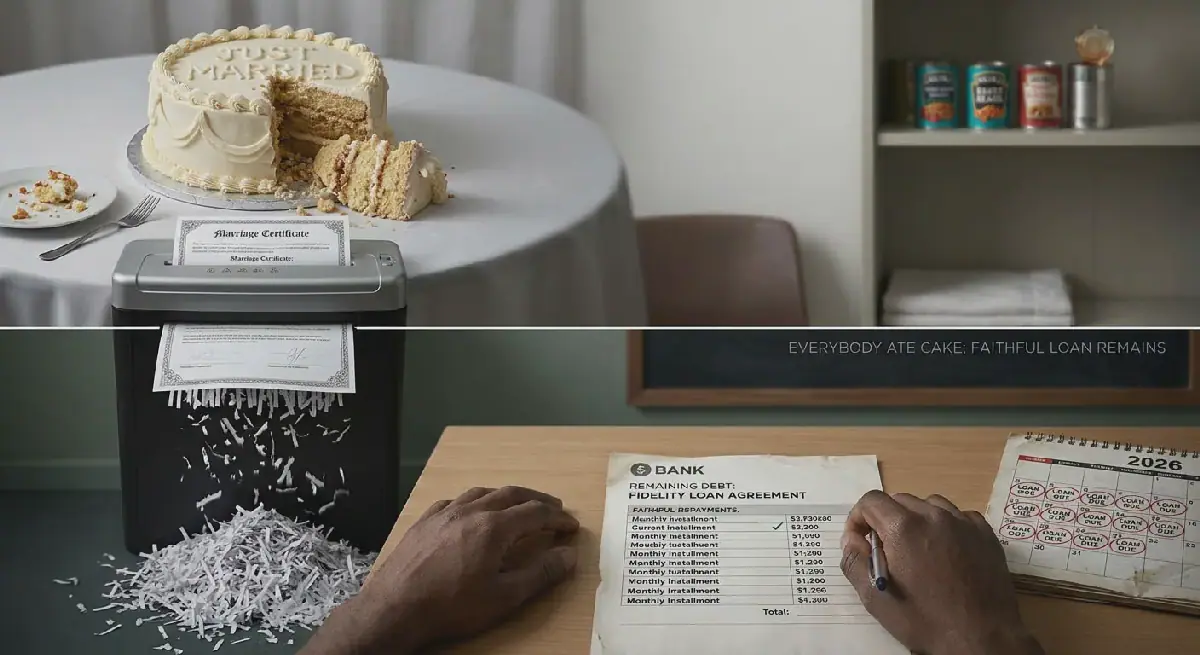
The issue of marriage and divorce in Eswatini has been discussed in the context of financial commitment. A recent article highlighted the financial risks associated with marriage, citing the example of a man who takes out a four-year personal loan at 18 percent interest to finance a wedding. The article argued that the financial burden of a failed marriage can be significant, with loan deductions continuing even after a marriage has ended.
The legal position on divorce in Eswatini has undergone significant changes in recent years. The Supreme Court's 2024 decision in Tesar v Tesar recognised irretrievable breakdown as a legitimate ground for divorce. This decision effectively recognised that a marriage does not need to end with an explosion, but can also end due to a slow and gradual breakdown.
The changes in the law have made it easier for couples to divorce. Previously, couples married under civil rites faced restrictive grounds for divorce under Roman-Dutch common law, with adultery and desertion being the only two grounds. The new law recognises circumstances involving emotional, economic, financial and domestic abuse, as well as a fundamental loss of respect.
The increase in expungements has been seen as a positive development by some, as it allows couples to move on with their lives. The article argued that some parents stayed married for 40 miserable years due to restrictive laws, but now couples can end their marriages more easily. The Ministry of Home Affairs' report has highlighted the need for a more nuanced understanding of marriage and divorce in Eswatini.
The issue of marriage and divorce in Eswatini is complex and multifaceted. While the increase in expungements may be seen as a negative trend, it also reflects a more realistic approach to marriage and relationships. As the country continues to grapple with the challenges of marriage and divorce, it is clear that there is a need for ongoing discussion and debate.
Key points
- The Ministry of Home Affairs in Eswatini expunged 201 marriage certificates in the second quarter of 2026/2027.
- The increase in expungements is attributed to administrative processing, rather than an actual increase in divorces.
- The legal position on divorce in Eswatini has undergone significant changes in recent years, making it easier for couples to divorce.