Eswatini continues to struggle with corruption, according to Speaker of the House of Assembly Jabulani Mabuza. Despite establishing the Anti-Corruption Commission and strengthening the country's legislative framework, corruption remains a significant governance challenge. The country's score of 23/100 on the Corruption Perceptions Index reflects the perceived level of corruption, with zero being the highest and 100 being the lowest.
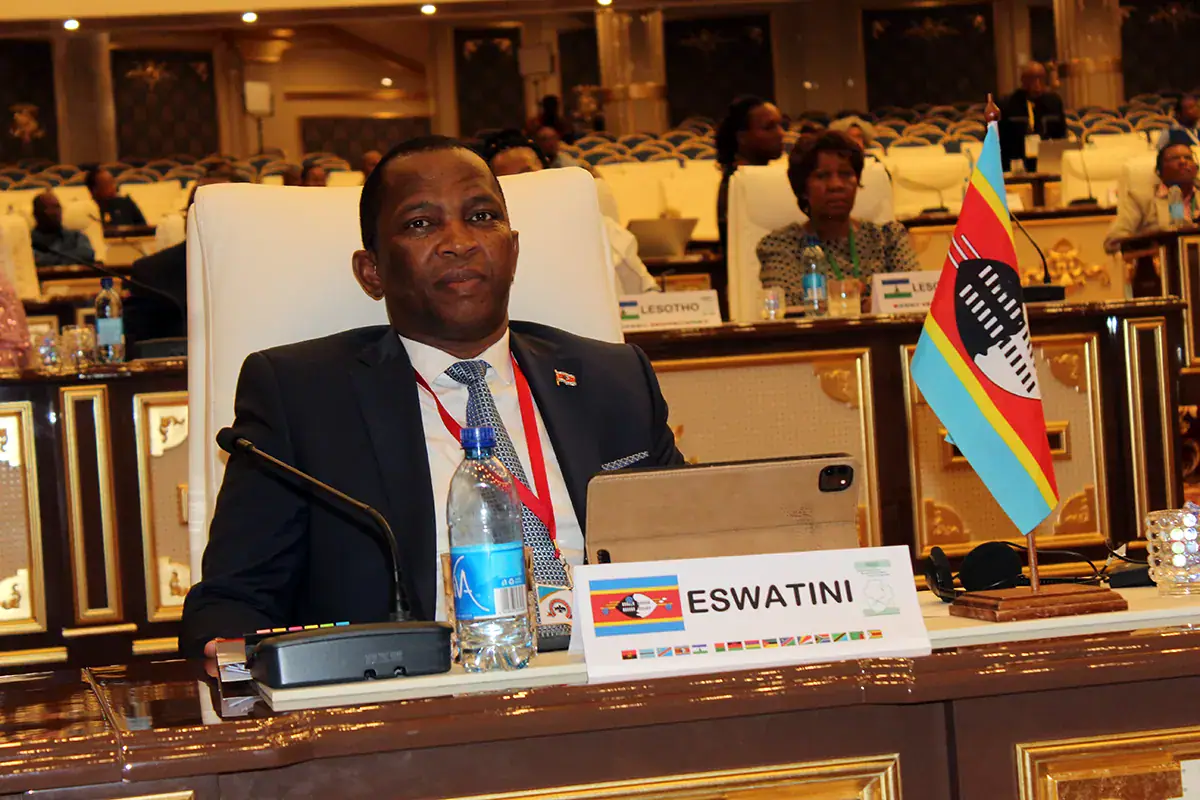
Mabuza presented Parliament's report on implementing SADC legal instruments during the 59th Plenary Assembly of the SADC Parliamentary Forum at Palazzo Ezulwini. He expressed concern that existing institutional and legislative measures have not resulted in a commensurate number of successful prosecutions and convictions. Parliament advocates for enhanced institutional effectiveness, adequate resourcing of anti-corruption agencies, and strengthened accountability mechanisms.
The Speaker noted that Parliament exercises oversight over public expenditure through the annual budget process and engagements with Government ministries, constitutional bodies, and public enterprises. Emphasis is placed on prudent financial management, transparency in public resource utilization, and institutional accountability. Effective financial oversight is a crucial preventive measure against corruption.
Eswatini's anti-corruption framework is principally provided for under the Prevention of Corruption Act of 2006, which established the ACC as the statutory body responsible for preventing, investigating, and prosecuting corruption offences. The report highlighted Eswatini's commitment to strengthening democratic governance, accountability, constitutionalism, and the rule of law as foundations for sustainable development and regional integration.
Beyond corruption, Parliament reaffirmed its support for peaceful dispute resolution through dialogue, mutual respect, and inclusive political engagement. Mabuza said Parliament believes that the silencing of guns should remain at the centre of regional and international diplomatic efforts. The report outlined Parliament's commitment to the Revised SADC Principles and Guidelines Governing Democratic Elections of 2021.
Parliament will continue working with Government, constitutional institutions, and regional partners to advance the implementation of SADC legal instruments while promoting peace, democratic governance, and public confidence in national institutions. The country's efforts to combat corruption and promote good governance are essential for sustainable development and regional integration.
The implementation of SADC legal instruments is crucial for promoting regional cooperation and good governance. Eswatini's commitment to these instruments reflects the country's efforts to strengthen democratic governance and promote peace and stability in the region. Key stakeholders will continue to work together to advance the implementation of these instruments.
Key points
- Eswatini scores 23/100 on the Corruption Perceptions Index.
- Parliament advocates for enhanced institutional effectiveness and adequate resourcing of anti-corruption agencies.
- The country is committed to strengthening democratic governance, accountability, and the rule of law.
Reporting sources
- Eswatini scores 23/100 on corruption index – Speaker · Times of Swaziland