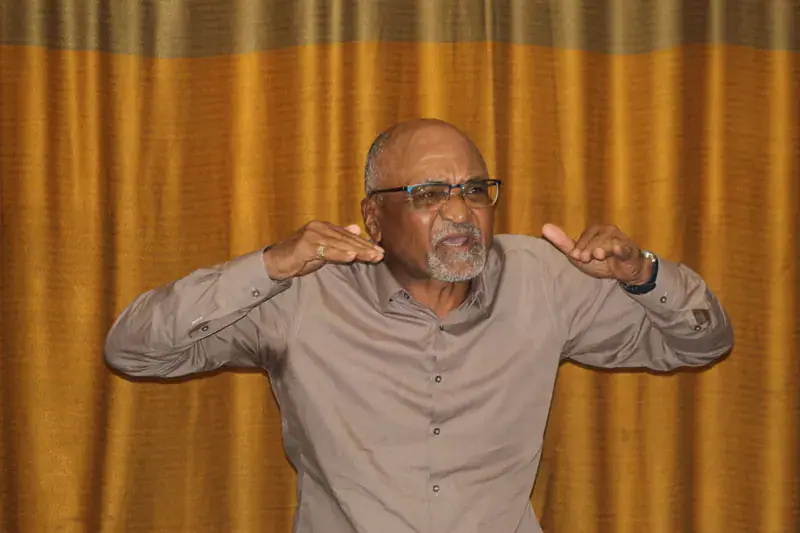
Businessman Walter Bennett has expressed concern over the large number of young people seeking police jobs in Eswatini, describing the situation as "frightening." He was shocked by the number of applicants competing for an undisclosed number of vacancies, highlighting a wider national crisis where young people struggle to secure employment, access higher education, and find opportunities to build their futures. Bennett's comments come as a wake-up call for the government to address the youth crisis.
The struggle for employment and education is also evident in the education sector, where deserving students are unable to access university opportunities due to limited places and funding. Bennett noted that it was painful to see young people struggling to access university education because of funding shortages, while students were reportedly returning home because their allowances had not been paid. He questioned why the university had not been expanded over the years to accommodate more students, instead of increasing admission requirements, which left even exceptional students unable to secure places.
Bennett highlighted the contradiction in the country's employment situation, where resources were available to pay lecturers for a larger student population, but facilities prevented all those students from enrolling. For instance, a university may have the academic capacity to teach 3,000 students, but accommodation facilities could only cater for 2,000. He argued that this resulted in young people being shut out of opportunities to improve their lives, while the country continued to witness long queues for the few jobs available.
The concerns raised by Bennett are particularly troubling, given that Parliament had made undertakings following the riots, yet he questioned what tangible action had been taken to address the frustrations of young people. He said factory shells were a positive investment, but questioned how many jobs they actually created and the quality of employment being offered. Bennett emphasized that the country needed to confront the reality that young people could not continue to depend on limited recruitment exercises while other employment opportunities remained scarce.
Bennett also criticized the government's spending priorities, particularly expenditure on official trips, allowances, and vehicle loans. He questioned whether public funds were being directed towards the needs of ordinary Emaswati, arguing that money spent on government activities should be examined against the urgent needs of students and unemployed youth. Specifically, he questioned why certain travel benefits and allowances were allegedly treated differently from benefits received by private sector employees for tax purposes.
Furthermore, Bennett raised concerns about the reduction of corporate tax from 27.5% to 25% in 2020, arguing that the government needed to assess the revenue implications of the decision at a time when unemployment had become a crisis. He also questioned the country's commitment to fighting corruption, particularly the resources allocated to the Anti-Corruption Commission, and the capacity of the auditor general's office and other accountability institutions.
Bennett's call for change emphasizes the need for the government to account for how public resources are being used, particularly in light of the situation facing young people. He asked, "How much do we spend in a year, in a quarter, on trips and how much?" The concerns raised by Bennett highlight the need for a comprehensive review of Eswatini's youth employment and education policies to address the desperate competition for jobs and limited access to university education.
Key points
- Walter Bennett criticizes Eswatini's youth employment and education policies.
- The country faces a wider national crisis where young people struggle to secure employment, access higher education, and find opportunities to build their futures.
- Bennett calls for a review of public spending priorities and an assessment of the revenue implications of the corporate tax reduction.