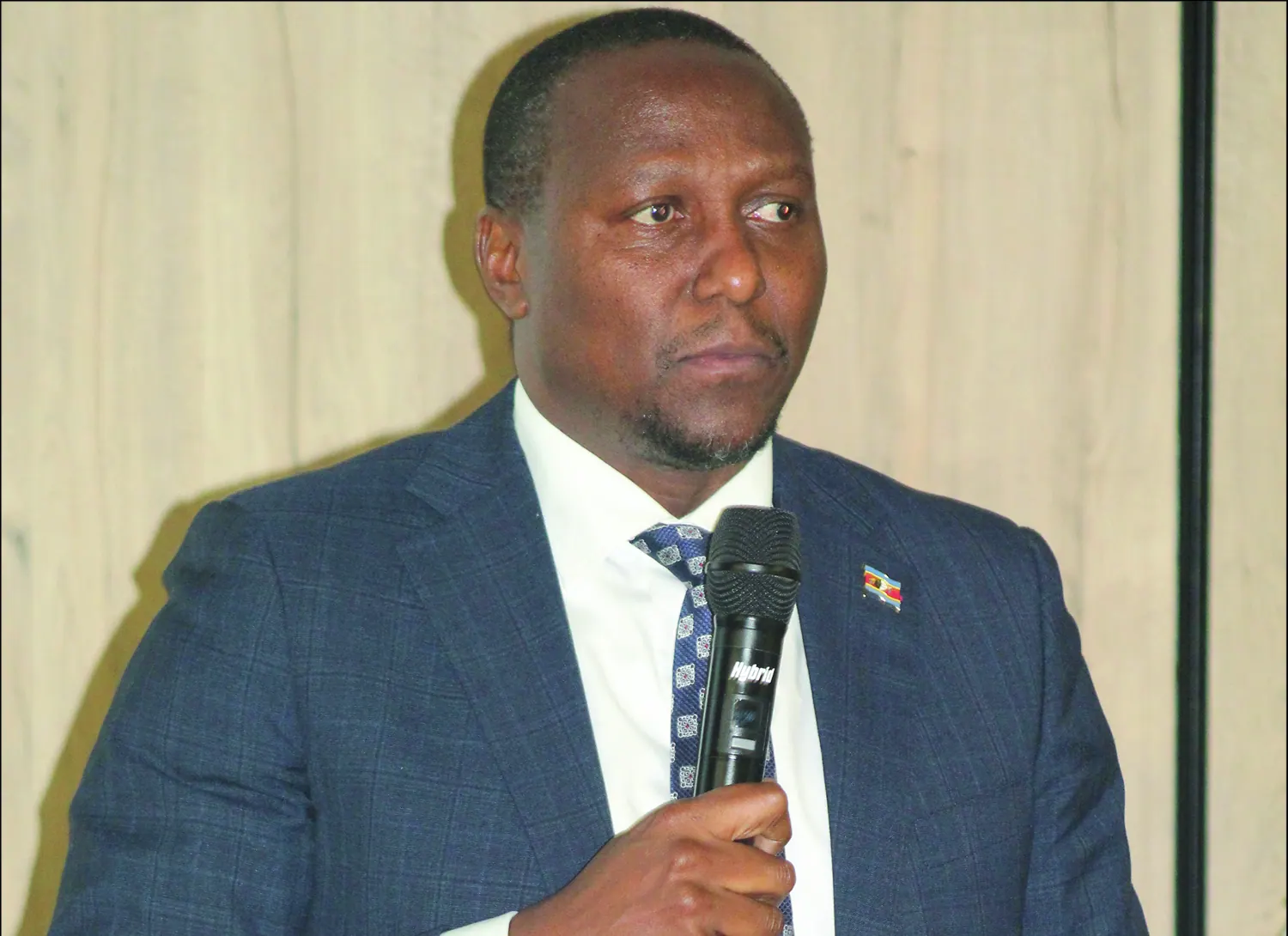
Prime Minister Russell Mmiso Dlamini of Eswatini has called on leaders to prioritize integrity, truth, and national interest over personal gain. He warned that decisions influenced by financial inducements and personal benefits can undermine responsible leadership. Dlamini emphasized the need for leaders to lead by example and refuse to compromise their values. He made these remarks during a recent address, highlighting the importance of principled decision-making in leadership.
Dlamini's comments come at a time when African leaders are being challenged to rethink their responsibilities towards their citizens. He argued that people often make decisions based on financial inducements, lobbying, and personal gain, rather than on the basis of truth or integrity. The Prime Minister called for a shift towards decision-making that considers what is truthful and beneficial to the country, rather than pursuing individual interests. He encouraged leaders and citizens to "be the change that you want to see" and to prioritize the needs of the country.
Professor Delanyo Adadevoh has also weighed in on the conversation, calling for African countries to develop governance systems that reflect their own realities. He cited Eswatini's stability and home-grown approach as an example from which the continent can learn. Adadevoh noted that Eswatini has demonstrated that African countries can develop systems suited to their circumstances, and he encouraged the country to share its experiences with other African leaders.
Adadevoh's remarks were made in response to Senator Tony Sibandze's call for Africa to promote home-grown governance approaches and reduce its reliance on externally developed democratic systems. Sibandze described Eswatini's monarchical governance system as a distinctive African model and asked how other countries could learn from the kingdom's experience. Adadevoh emphasized the need for African leaders to design governance systems that are more effective, relevant, and acceptable to their people.
Senator Tony Sibandze has challenged African leaders to put the interests of citizens ahead of personal gain. He called for leadership rooted in selflessness, accountability, and the fight against corruption. Sibandze argued that corruption is a continental challenge that requires leaders to rethink their responsibilities towards the people they serve. He drew inspiration from author Simon Sinek's book 'Leaders Eat Last', questioning how African leaders can demonstrate genuine commitment to serving their people.
Sibandze also emphasized the importance of African-led governance innovation, with Eswatini's experience offering an opportunity for dialogue on stability, institutional development, and locally grounded approaches to leadership. He encouraged African leaders and intellectuals to promote governance systems developed within the continent, rather than relying exclusively on Western models. Sibandze described Eswatini's monarchical system of governance as a distinctive African approach to democracy.
The conversation highlights two key issues central to Africa's leadership debate: the responsibility of those in power to serve citizens and the importance of developing governance approaches informed by African realities. The exchange also underscores the need for African leaders to prioritize integrity, accountability, and the fight against corruption. By sharing experiences and lessons learned, African countries can work towards developing more effective and relevant governance systems.
Key points
- Eswatini's Prime Minister Russell Dlamini emphasizes the importance of integrity and national interest in leadership.
- Professor Delanyo Adadevoh calls for African countries to develop governance systems that reflect their own realities.
- Senator Tony Sibandze challenges African leaders to put the interests of citizens ahead of personal gain.