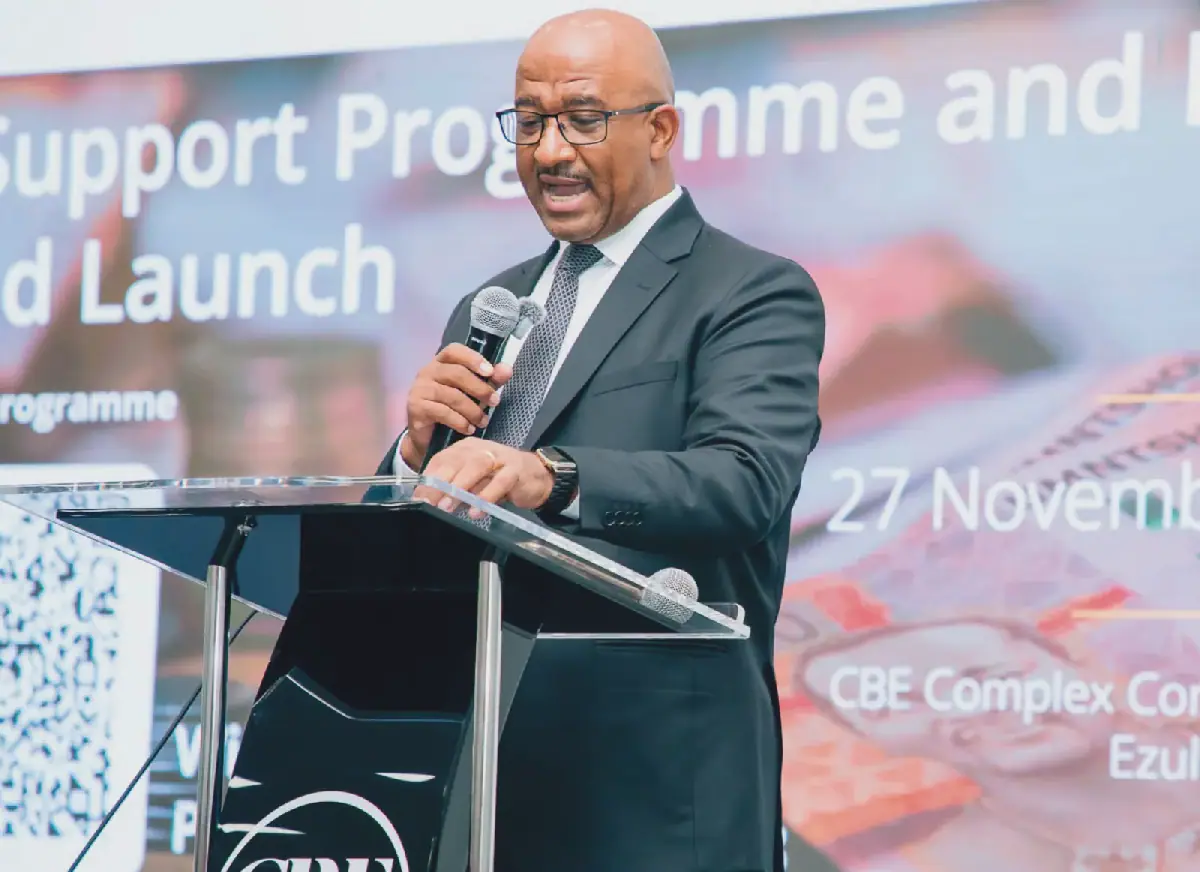
The Central Bank of Eswatini (CBE) has introduced a Retail Bond Programme, enabling ordinary citizens to invest directly in government securities with a minimum investment of E500. This initiative, launched by CBE Governor Dr. Phil Mnisi, aims to provide a simple, affordable, and accessible platform for Emaswati to invest, save, and build wealth through formal investments. The programme is expected to attract a strong turnout of stakeholders from the business, financial, and public sectors.
The Retail Bond Programme is designed to make investing in government securities more accessible to Emaswati, who have long wished to invest but found the cost of entry prohibitive. With a minimum investment of E500, individuals can lend money to the government and earn returns without having to trade shares or actively manage a business. The interest rate, payment arrangements, and investment period will be important details for prospective investors to understand when the programme's full terms are made available.
According to Dr. Mnisi, the Retail Bond Programme is a potential game changer for citizens who have previously been excluded from investment opportunities due to affordability barriers. The initiative seeks to build a more inclusive, resilient, and prosperous economy, where businesses can expand beyond Eswatini's borders, and more Emaswati can participate in the country's economic future. The programme will be fully digital, accommodating people with different levels of access to technology and banking services.
The programme's digital platform will be designed to support interoperability across mobile money and other digital payment channels, allowing investors to transact through the platforms available to them. The CBE has developed the underlying platform using its in-house software engineering capacity, which will facilitate subscriptions, investments, redemptions, and reporting. Integration work involving payment providers, fintech companies, and commercial banks is currently being finalised.
The Retail Bond Programme has been in development since 2018, when the CBE first began exploring an investment product specifically designed for Emaswati. Its development was informed by international examples, including Kenya's M-Akiba Bond and South Africa's Retail Savings Bond. Although implementation was delayed by the COVID-19 pandemic, the project was revived in 2024 and made one of the Bank's strategic priorities.
The CBE's ambition extends beyond simply attracting money into government securities; it is equally focused on encouraging a stronger culture of saving, improving financial literacy, and bringing more citizens into the formal financial system. The success of the programme will not be judged solely by the amount of money raised but also by the number of new investors attracted, its reach among underserved communities, and improvements in financial awareness.
The Retail Bond Programme is expected to go live on April 1, 2027. Dr. Mnisi emphasised that participation would not be restricted to people owning smartphones or holding bank accounts, as a basic mobile phone is sufficient to begin an investment journey from the comfort of one's home. This approach is particularly significant in extending investment opportunities to communities that have traditionally faced barriers to accessing formal financial services.
Key points
- The Retail Bond Programme has a minimum investment requirement of E500.
- The programme aims to encourage a stronger culture of saving and improve financial literacy among Emaswati.
- The initiative is expected to go live on April 1, 2027.
Reporting sources
- CBE opens investment door to nation from E500 · Swazi Observer