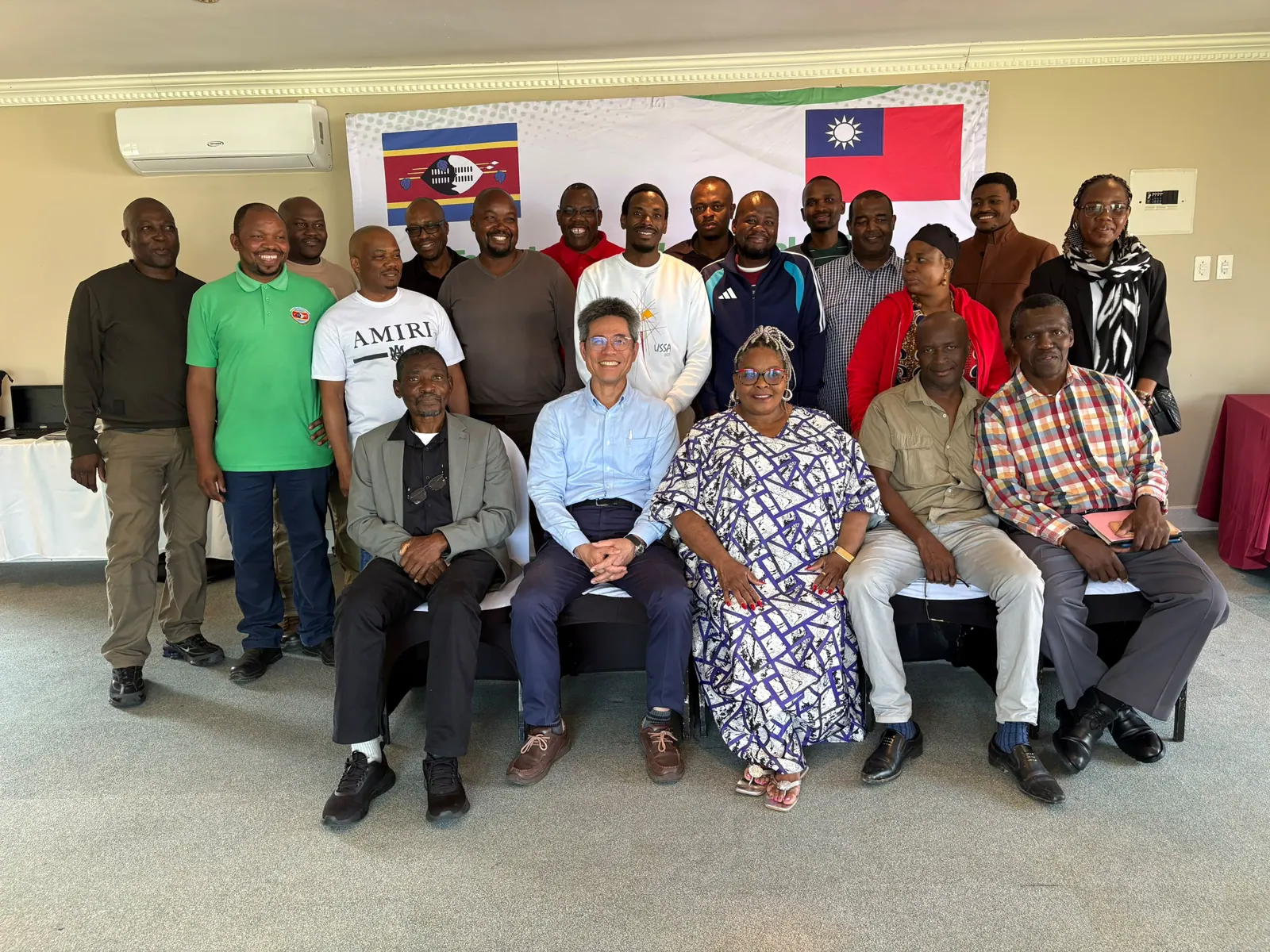
Eswatini is currently reviewing its Technical and Vocational Education and Training (TVET) curriculum to produce high-quality graduates who can meet the demands of the industry. Senior Inspector Matsidiso Thwala from the Ministry of Education and Training emphasized the importance of quality assurance across different departments. The review aims to ensure that TVET institutions produce graduates who can deliver with minimal defects in buildings and infrastructure.
The review is a collaborative effort between the Ministry of Education and Training, the Ministry of Labour and Social Security, and the Taiwan Technical Mission ICDF. A three-day Curriculum Development Workshop for Electrical Engineering and Welding was recently concluded, marking a significant step towards curriculum innovation. Thwala expressed gratitude to Taiwan Technical Mission Chief Mars Shiue for the support, noting that the sector has long needed a proper starting point for curriculum development.
According to Thwala, a documented and functional curriculum will enable the identification of gaps and attract investors who can contribute to improving components such as transformers. The curriculum will also inform the need for workshops and other infrastructure, ensuring that TVET institutions produce graduates who are well-equipped to meet industry demands. This, in turn, will enhance the country's ability to deliver quality infrastructure and services.
Thwala emphasized that learners who move from TVET institutions to the Directorate of Industrial and Vocational Training (DIVT) and then into industry must be comfortable in their new environment. The curriculum review aims to ensure that graduates are tested on the same level, with the same curriculum and quality, as their counterparts in industry. This alignment exercise is crucial, particularly in electrical work, which directly involves people's lives.
The alignment exercise is expected to be rolled out to other trades, with Thwala stressing the importance of thoroughness in presenting the final product – TVET graduates. Electrical work, in particular, requires a high level of competence, as it involves connecting wires and ensuring that electrical systems are safe and functional. The review aims to ensure that TVET graduates meet these high standards.
The final document will also assist the Ministry of Education and Training when engaging with the Civil Service Commission (CSC) on employment matters. The document clearly defines the qualifications and content required for TVET graduates, ensuring that only qualified individuals are employed. This will enhance the quality of education and training in Eswatini, ultimately benefiting the country's economy and infrastructure development.
The review of the TVET curriculum is a significant step towards enhancing the quality of education and training in Eswatini. With the support of international partners such as the Taiwan Technical Mission ICDF, the country is poised to produce high-quality graduates who can meet the demands of the industry. The review is expected to have a positive impact on the country's infrastructure development and economy.
Key points
- The review aims to produce quality entrepreneurs with skills to deliver minimal defects in buildings and infrastructure.
- A documented and functional curriculum will enable the identification of gaps and attract investors.
- The alignment exercise will be rolled out to other trades, with a focus on electrical work and other high-risk areas.