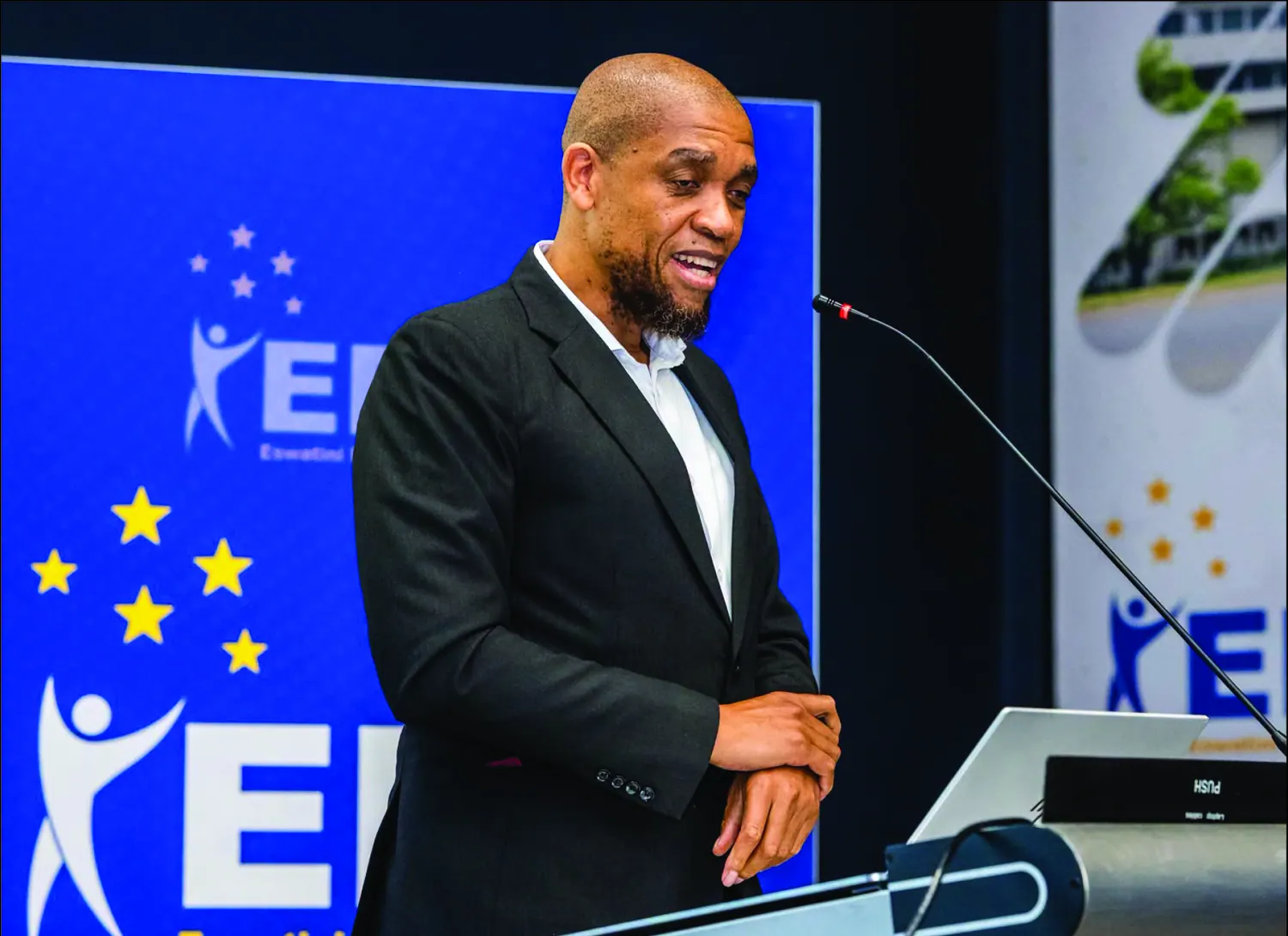
The Eswatini Revenue Service (ERS) has expanded its High-Net-Worth Individual (HNWI) framework to include individuals with assets worth E3 million or more. This move is part of the 2026 tax filing season, which recently began. The ERS Commissioner General, Brightwell Nkambule, stated that the change aims to provide a fuller picture of taxpayers' economic circumstances.
The expanded criteria will include individuals whose combined holdings of immovable and movable property, financial investments, shares, and bonds are valued at E3 million or more. Trustees and founders, excluding trustees of recognised and registered pension funds, will also be brought into the HNWI category. Nkambule emphasized that the new threshold does not amount to a tax on the assets themselves but rather a requirement for declaration.
The ERS will rely partly on municipalities to verify information relating to immovable property, potentially giving local authorities a more significant role in the revenue administration process. Nkambule stressed that municipalities will be important partners in helping validate information relating to immovable property. This development comes as the ERS seeks to strengthen compliance among taxpayers.
The ERS' strategy is not aimed at discouraging investment or wealth creation but at improving transparency and ensuring that taxpayers meet their obligations under the law. The ERS' stated mandate includes assessing and collecting government revenue, promoting compliance, and countering tax fraud and evasion. Its vision is "100% voluntary compliance for a better Kingdom of Eswatini."
Minister of Finance Neal Rijkenberg has urged taxpayers to play their part in helping the country meet an E19.48 billion domestic revenue target for 2026/27. Rijkenberg stated that the target is a shared national responsibility rather than an obligation resting on the ERS alone. He emphasized that the money collected will support essential services such as roads, healthcare, education, and public safety.
Business Eswatini CEO E. Nathi Dlamini has raised concerns over rising public debt, urging the government to restrain spending and prioritize projects. Dlamini stated that the country's debt-to-GDP ratio has moved above 40%, after remaining below about 38% for much of the past eight years. He warned that continued increases in the debt ratio could make it increasingly difficult to reverse the trend.
The ERS has been entrusted with collecting E19.48 billion in domestic revenue on behalf of the government for the 2026/27 financial year. Rijkenberg urged taxpayers to accurately declare their income, file returns on time, and settle taxes due. He emphasized that tax compliance is part of the contribution to national development, helping fund essential services and infrastructure.
Key points
- The Eswatini Revenue Service has expanded its High-Net-Worth Individual framework to include individuals with assets worth E3 million or more.
- The country's debt-to-GDP ratio has moved above 40%, raising concerns over rising public debt.
- The ERS has been entrusted with collecting E19.48 billion in domestic revenue on behalf of the government for the 2026/27 financial year.