An opinion piece published in the Swazi Observer has drawn lessons from South Africa's Madlanga Commission of Inquiry, highlighting the importance of accountability in the fight against corruption. The author, Mbongeni Mbingo, notes that Eswatini's experience with corruption mirrors that of South Africa, where tenderpreneurship and state capture have become significant challenges. Mbingo questions where Eswatini's equivalent of Lieutenant-General Nhlanhla Mkhwanazi is, emphasizing the need for a similar moment of truth in the country.
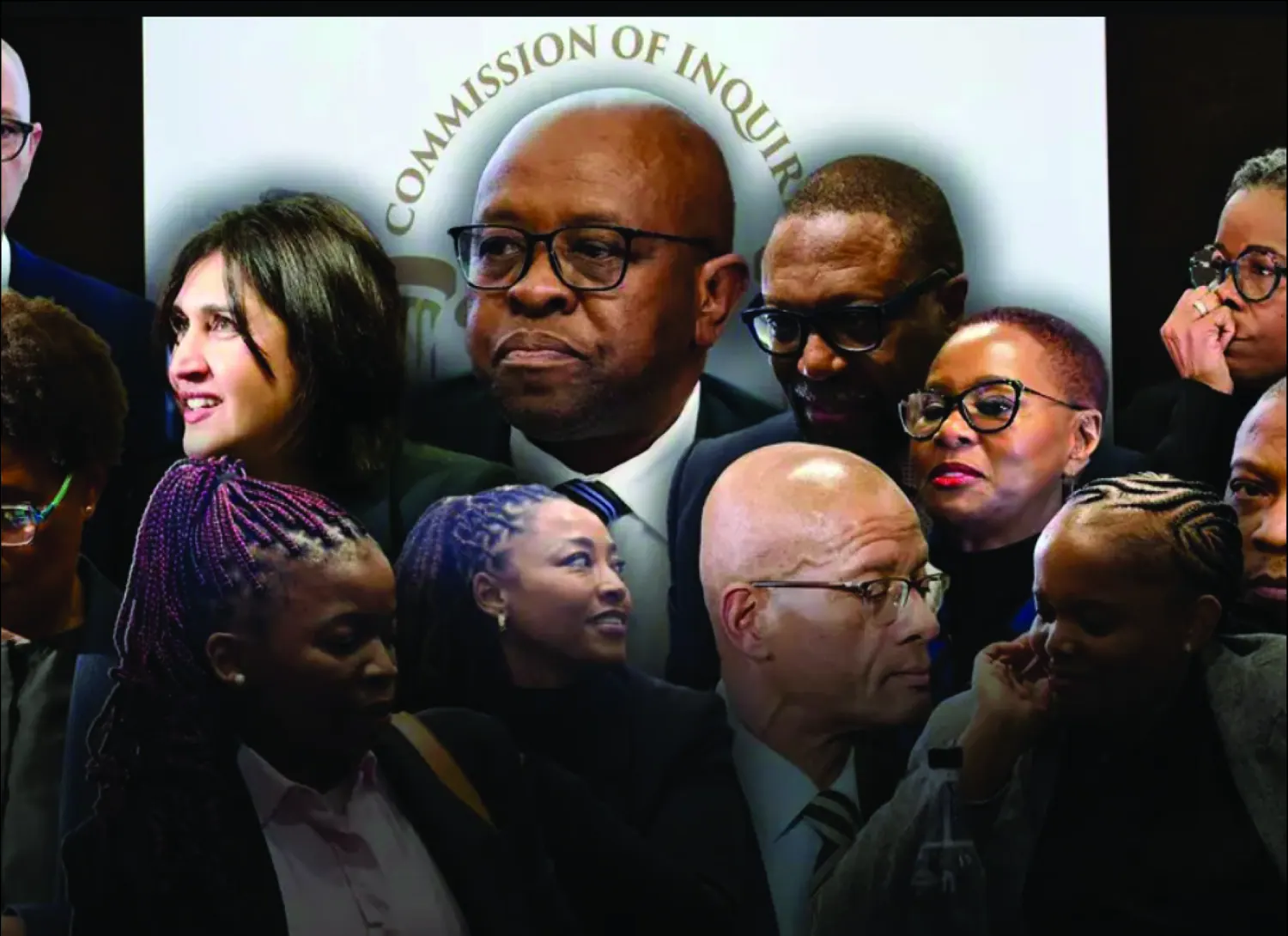
The Madlanga Commission was established in South Africa following allegations by Lieutenant-General Nhlanhla Mkhwanazi on July 6, 2025, about criminal syndicates, political interference, and the infiltration of law-enforcement and intelligence structures. The commission aimed to investigate these allegations, which could not be ignored. Mbingo argues that Eswatini needs its own Mkhwanazi moment, where someone with the courage to speak out against corruption and wrongdoing emerges.
Corruption in Eswatini has become a significant problem, with institutions being infiltrated and public resources being abused. Mbingo notes that many officials are aware of the wrongdoing but choose not to speak out, often due to fear of powerful and connected individuals. He emphasizes that this silence enables corruption to thrive and calls for greater accountability and action against those engaging in corrupt activities.
The author highlights recent developments in some Eswatini institutions, where serious questions exist, but there appears to be little appetite to confront them. Instead, individuals are rushing to benefit from situations presenting themselves, such as the EPTC loan and the depleted Microprojects Fund. Mbingo wonders what those engaging in corrupt activities will have to say for themselves when everything is eventually exposed.
Mbingo also reflects on the attitude of some MPs towards The Luke Commission controversy and allegations raised by former employees. He notes that the allegations must be properly investigated and that The Luke Commission must be afforded every opportunity to respond. The government has engaged regulatory and investigative authorities to examine the claims.
The author concludes that Eswatini has lost the fight against corruption and that the display of arrogance of power is staggering. He warns that those engaging in corrupt activities should understand that someone will eventually speak out, and when that happens, they will be held accountable. Mbingo's opinion piece calls for greater accountability and action against corruption in Eswatini.
Ultimately, the question remains as to where Eswatini's Mkhwanazi is and when the country's own moment of truth will come. Mbingo's article serves as a call to action, urging officials and citizens to speak out against corruption and demand greater accountability from those in power.
Key points
- Eswatini's experience with corruption mirrors that of South Africa, where tenderpreneurship and state capture have become significant challenges.
- The author calls for greater accountability and action against corruption in Eswatini, emphasizing the need for a similar moment of truth to South Africa's Madlanga Commission.
- The opinion piece serves as a warning to those engaging in corrupt activities that someone will eventually speak out, and when that happens, they will be held accountable.