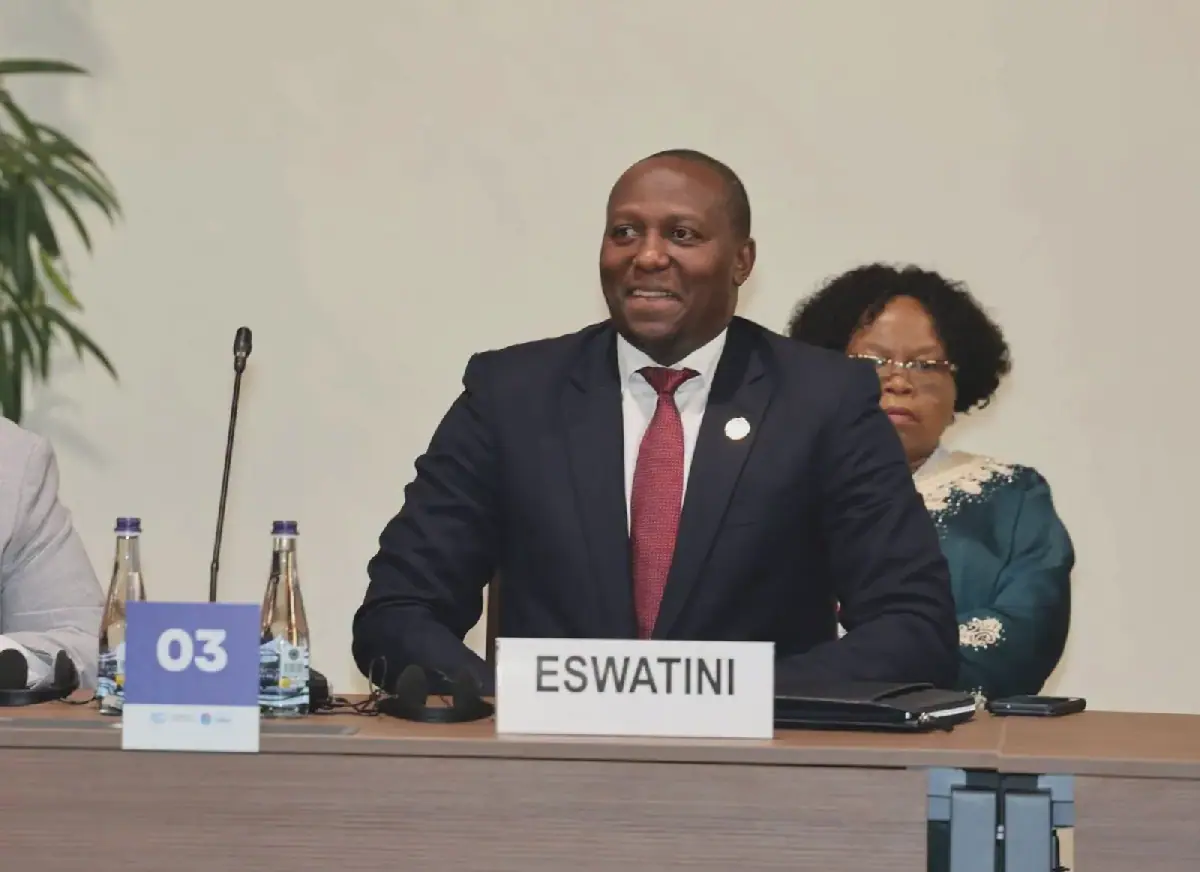
The government of Eswatini is set to implement a new policy requiring Prime Minister Russell Mmiso Dlamini to approve all external trips by government officials. The draft External Travel Management Policy aims to place official international trips under a coordinated government-wide planning framework. Each ministry will be required to prepare an annual external travel plan, outlining international engagements, participating officials, and allocated budgets. These plans will be submitted to the prime minister's office for approval before the start of the government financial year.
The proposed policy requires ministries to submit their annual plans two weeks before the start of each financial year. The plans must be signed and stamped by both the principal secretary and the minister, and include details of activities, dates, venues, proposed officials to attend, and allocated budgets. The Public Policy Coordination Unit, in collaboration with the ministry of public service and the Eswatini Economic Policy Analysis and Research Centre, recently convened a consultative session with public sector unions to review the draft policy.
The policy aims to establish clear procedures and guidelines for planning, approval, execution, and management of external travel by public officers. It also seeks to strengthen accountability and transparency in the utilisation of public funds. Ministries will be expected to include statutory, treaty, protocol, bilateral, multilateral, and recurring travel related to royal duties in their annual plans. The policy proposes that no external travel request should be approved if it is not reflected in the approved annual travel plan.
The draft policy makes provision for unexpected travel that may arise due to diplomatic engagements, emergencies, statutory obligations, and strategic invitations. Ministries seeking to amend their approved annual travel plans will be required to submit changes to the prime minister's office for approval. The proposed amendments must be signed by the principal secretary and minister and submitted at least 10 days before departure.
The policy also seeks to prevent ministries from diverting substantial resources from other programmes to finance international trips. It discourages the reallocation of resources from programmes to external travel, and limits reallocations to 5% of programme resources per budget line. Additionally, no annual external travel plan will be approved without an accompanying budget, ensuring that proposed trips are supported by available funding.
Government officials who fail to submit reports and account for funds after official foreign trips could be denied approval for future travel under the draft policy. Officials will be required to submit post-travel reports within 14 days of returning to their duty stations, and make a report from an official's previous trip a requirement for any subsequent travel request.
The policy requires officials to provide detailed reports on their international assignments, including lessons learnt, implications for Eswatini, and recommendations. The reports must also include an action plan for implementing benefits gained in the official's workplace, including arrangements for sharing information with colleagues and officials from other ministries.
Key points
- The Eswatini government aims to strengthen accountability and transparency in the utilisation of public funds for international trips through the new policy.
- The policy requires ministries to justify travel against specific national priorities, National Development Plan outcomes, or international obligations.
- Officials face a travel ban for missing reports and failing to account for funds after official foreign trips.
Reporting sources
- PM to sign off on all external trips · Swazi Observer