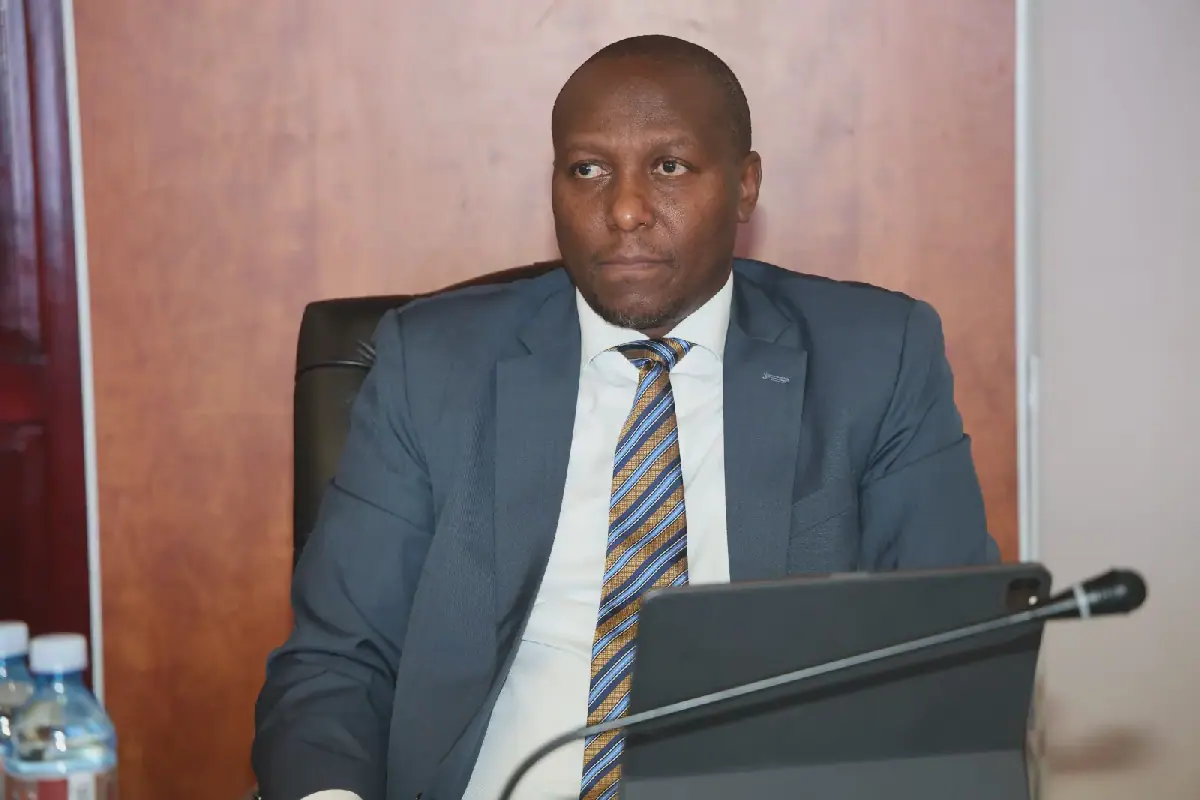
Eswatini's Prime Minister Russell Dlamini has emphasized the need for consequence management across government, demanding greater accountability from public officers. He made these remarks during the first Semi-Annual Government Performance Review at the Royal Villas, where he addressed ministers and principal secretaries. Dlamini stressed that persistent underperformance and misconduct should attract appropriate consequences, while also acknowledging that government's financial management challenges have impeded ministries' ability to fulfil their mandates.
The performance review confirmed that delays and shortfalls in the release of appropriated funds have compromised service delivery. Dlamini said supervisors should establish the reasons for poor performance, provide support where necessary, and set timelines for improvement. He emphasized that consequence management is essential to the system, and where performance falls short, supervisors must establish the cause, provide support where needed, and set a clear timetable for improvement.
The Prime Minister's directive follows government's overall performance score of 48 per cent for the 2025/26 financial year. Although the score represented an improvement from 22 per cent in the first quarter of that financial year, government continued to encounter challenges in implementing its programmes. These included procurement bottlenecks, delayed budget releases, legislative delays, poor coordination, and weaknesses in project planning.
Dlamini acknowledged that government's own financial management challenges have impeded ministries' ability to fulfil their mandates. He called on spending ministries to provide realistic financial forecasts aligned with procurement and project implementation schedules. The Prime Minister also urged the Ministry of Finance to communicate anticipated releases and significant changes early enough to allow ministries to adjust their plans.
The consequences of delayed funding extend beyond government offices, with projects valued at approximately E600 million stalled amid cash-flow challenges. Dlamini said ministries should prioritize projects ready for implementation when seeking funding. Before a project is proposed for implementation funding, the responsible ministry should have established its scope, cost, delivery timetable, and prerequisites.
The Prime Minister also called for greater scrutiny of government expenditure, including the prices paid for commonly procured goods. He challenged ministries to consider adopting ISO 9001 quality management principles to improve their operations and measure performance. Dlamini emphasized that the value of the performance review would be measured by whether projects progressed, public services improved, and more emaSwati gained access to employment.
The latest remarks suggest that government continues to contend with some of the obstacles identified during the previous financial year. Dlamini's acknowledgement of funding constraints comes barely two weeks after he criticized the Ministry of Finance over delays in implementing procurement reforms. The Prime Minister's directive aims to address these challenges and improve government performance, with a focus on consequence management and accountability.
Key points
- Eswatini's Prime Minister Russell Dlamini calls for disciplinary action against public officers who persistently underperform.
- Government's overall performance score for the 2025/26 financial year is 48 per cent.
- Funding delays and procurement bottlenecks are major challenges hindering government performance.
Reporting sources
- PM demands consequences for govt underperformance · Times of Swaziland