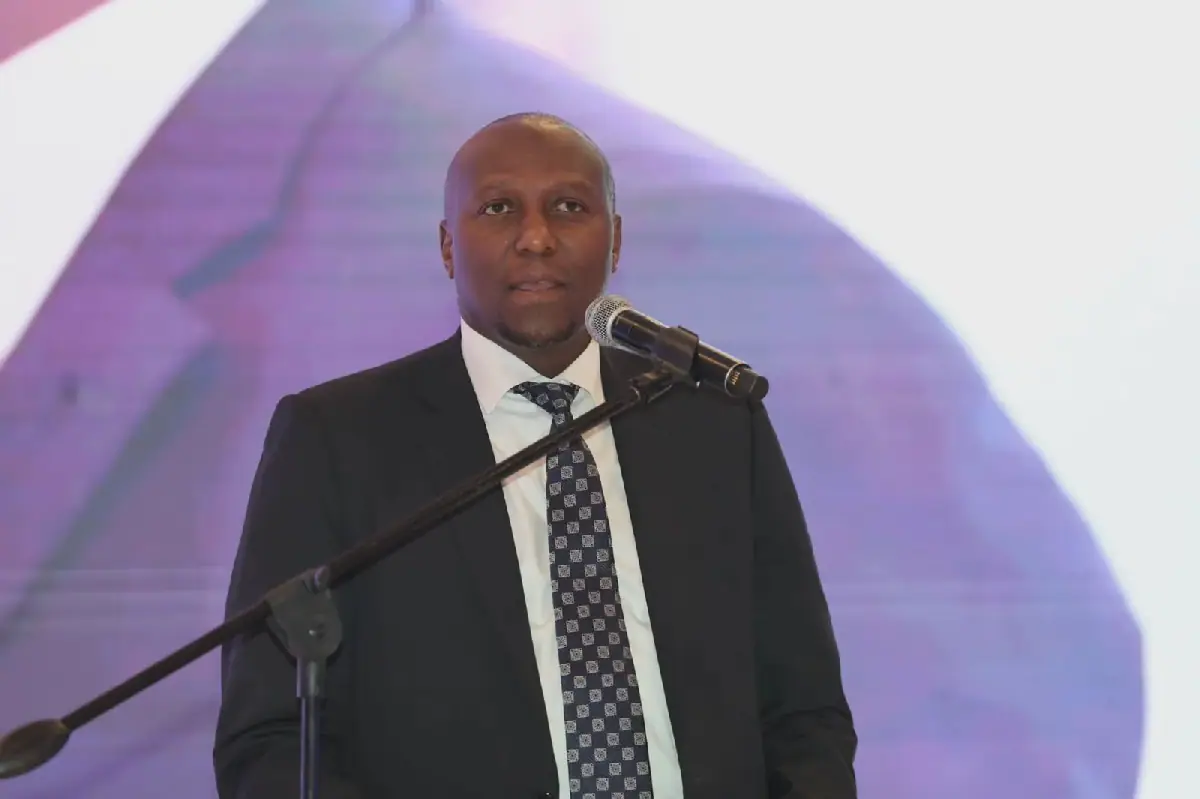
Eswatini Prime Minister Russell Mmiso Dlamini has attributed poor service delivery in the country to the Ministry of Finance's failure to review procurement procedures. According to the Private and Cabinet Office report, the Prime Minister's office held several meetings with the Ministry of Finance to ensure the review process was undertaken. However, the Ministry of Finance has failed to deliver, despite Cabinet repeatedly calling for the review of procurement procedures for the past three years.
The proposed review of procurement procedures is significant, considering its role in implementing government projects, acquiring goods and services, and delivering public infrastructure. Delays and inefficiencies in procurement processes can affect the execution of government programs, causing projects to take longer than anticipated. The review of the Procurement Act was listed as a priority in the Cabinet Retreat 2026 Declaration, announced in February, under 'Flagship priorities, Ambitions and Bold Decisions'.
The review of the Procurement Act and development of a Procurement Policy were expected to be completed by December this year. During the portfolio committee debate of the Ministry of Finance's second quarter performance report, questions were raised regarding government's procurement processes. The Ministry of Finance had to defend the high number of procurement opportunities awarded through Limited Tendering.
Finance Minister Neal Rijkenberg explained that the relatively high number of limited tendering procurements was due to government ministries and departments relying on prequalified suppliers for services such as security, catering, and maintenance of computer equipment. He was responding to a question in Parliament regarding why government procuring entities favored limited tendering and single sourcing over competitive open tendering.
Rijkenberg's response was in reaction to procurement figures showing 95 limited tendering openings, 25 single-sourcing openings, and 31 open tendering openings. These figures raised concerns about whether government entities gave sufficient preference to open competition when awarding public contracts. The use of prequalification lists was provided for under Regulations 112 to 114 of the Public Procurement Regulations of 2020.
According to Rijkenberg, suppliers on established prequalification lists had already undergone a competitive procurement process and were assessed and qualified to participate in subsequent procurement opportunities. Consequently, the use of Limited Tendering among suppliers on such lists should not be construed as a departure from competitive procurement processes.
The Prime Minister's accusation effectively placed the responsibility for delayed reforms on the Ministry of Finance, which is expected to drive the review process. The delayed reforms have significant implications for Eswatini's economic growth, targeting economic diversification, financial inclusion, public sector efficiency, youth empowerment, and sustainable development.
Key points
- Eswatini's Prime Minister Russell Mmiso Dlamini accuses Finance Ministry of frustrating review of procurement procedures.
- The review of procurement procedures is expected to enhance public sector efficiency and drive Eswatini's transformation agenda.
- The Ministry of Finance's delayed reforms have significant implications for Eswatini's economic growth and development.
Reporting sources
- PM blames Finance for poor service delivery · Times of Swaziland