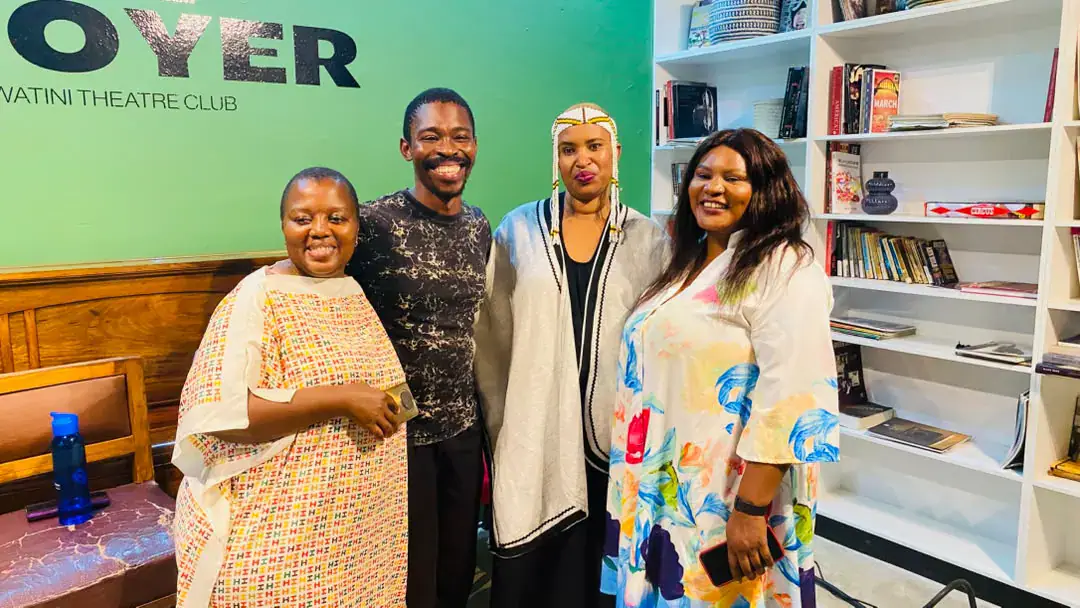
Poet Dzelisile 'Dzeli' Mdluli recently staged a one-woman performance, Women Why Whine, at the Eswatini Theatre Club, exploring women's experiences through spoken word and music. The show followed a girl's journey into womanhood, drawing on moments that shape women's lives. By sharing personal stories and poetry, Dzeli encouraged the audience to reflect on subjects often kept quiet. The performance was a conversation, confrontation, and celebration of women in all their complexity.
The production examined the pain, love, silence, struggles, and strength of womanhood, recognising the freedom that comes with finding one's voice. Rather than presenting poetry as entertainment alone, the show encouraged people to think about experiences hidden in homes and relationships. The stories highlighted how women move through difficult moments, build resilience, and find courage to speak. This approach allowed the audience to engage with the issues and reflect on their own experiences.
One striking moment in the performance came when Dzeli explored relationships and challenges women face, including abuse. The subject prompted audience members to share testimonies and offer support, turning the performance into a space for discussion. The show moved between poetry and music, with songs adding emotion to the storytelling. This combination created a powerful and impactful experience for the audience.
Dzeli described the production as a way to create space for women's stories, emphasising that every voice has a story. She stressed the need to listen when women speak about their lives, highlighting the importance of recognition and understanding. The performance placed women's experiences at centre stage, allowing their stories to be recognised and heard.
Women Why Whine has been selected for the Culture Spaces Context programme and is funded by the Austrian Embassy in collaboration with the Eswatini Theatre Club. The partnership supports artistic work exploring personal and social experiences through performance. This recognition and support have enabled the production to reach a wider audience and create a greater impact.
The production brings together poetry, music, and reflection to examine identity, survival, and self-expression. By sharing stories of hurt, strength, and change, Dzeli invited audiences to consider how women's experiences shape their lives and why they deserve attention. The show celebrates speaking out, making room for women to express themselves and for others to hear them.
The audience response to the performance showed the value of a space where experiences can be heard and shared without judgement. Dzeli's work has created a platform for women's voices to be heard, and the production's impact will likely be felt for a long time. The show's success demonstrates the power of art to inspire reflection, empathy, and understanding.
Key points
- The performance encouraged conversations about issues often left unspoken, highlighting the importance of listening to women's voices.
- The production was a conversation, confrontation, and celebration of women in all their complexity.
- Women Why Whine has been selected for the Culture Spaces Context programme, recognising its value and impact.
Reporting sources
- Women Why Whine gives voice to women · Swazi Observer