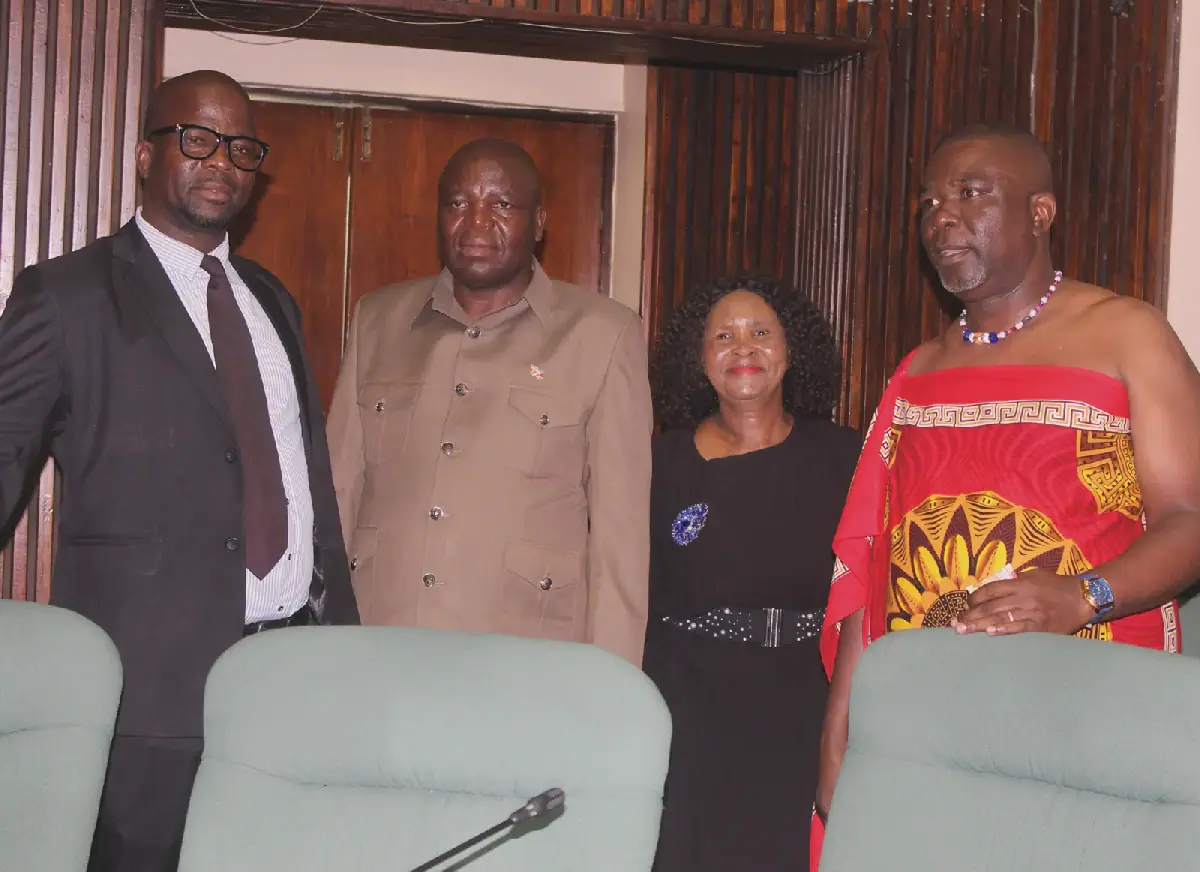
Eswatini's electricity tariffs are set to increase by 18.36%, sparking concerns among lawmakers. The hike was announced by the Eswatini Energy Service Regulatory Authority (ESERA) following a tariff hike application from the Eswatini Electricity Company (EEC). The increase is proposed for the 2027/2028 financial year, with a further 14.68% hike planned for 2028/2029. This development has raised concerns among Members of Parliament, who argue that the increase will negatively impact citizens already struggling with high inflation.
The issue was raised during a debate on the mid-term budget review report for the 2026/2027 financial year. Lomdzala Member of Parliament Marwick Khumalo expressed concerns that the government's failure to mitigate the issue had led to the significant tariff hike. He questioned whether there were provisions in place to cushion the impact on citizens, citing a planned E200 million allocation to support the EEC. Khumalo also raised concerns about the effectiveness of this measure, asking if it was sufficient to address the issue.
The country's unemployment rate stands at 33.5%, with 52.2% of young people affected. This has led to concerns that economic growth has not translated into job creation. MBABANE East MP Welcome Dlamini noted that people were not seeing jobs and money in their pockets, despite reported economic growth. The MP cited an unemployment rate of 33.5%, one of the highest in the world, and questioned the effectiveness of current strategies to address the challenge.
The government has initiated projects aimed at creating jobs, but their impact is yet to be seen. Kubuta MP Masiphula Mamba noted that while the minister had revealed growth in employment, it was hard to witness on the ground. Mamba also pointed to stalled projects, such as the Johnson Work Wear factory in Nhlangano, which was promised to create close to 3 000 jobs but has not materialized. The MP asked what the ministry was doing to address the issue.
The Pay As You Earn (PAYE) tax system has also come under scrutiny. Masiphula Mamba argued that PAYE was still holding the nation by the throat, with government collecting E700 million more from workers' salaries. He urged the ministry of finance to find solutions to decrease the percentage deducted from workers' salaries, arguing that this would increase the public's buying power and stimulate the economy.
In response to the concerns, Minister of Finance Neal Rijkenberg stated that the government was working on the fiscal deficit and could not cushion EEC this year. Rijkenberg emphasized the importance of the user pays principle, suggesting that it was better for consumers to pay for what they used rather than relying on government subsidies. He also highlighted plans to increase domestic revenue and mitigate the impact of the tariff hike through renewable energy projects.
The debate highlights the challenges facing Eswatini, including high unemployment and increasing electricity tariffs. MPs are calling for effective solutions to address these issues, including job creation and measures to reduce the burden on citizens. The government faces pressure to respond to these concerns and provide relief to struggling citizens.
Key points
- Eswatini's electricity tariffs are set to increase by 18.36% amid high inflation and 33.5% unemployment rate.
- The government's failure to mitigate the issue has led to concerns that the tariff hike will negatively impact citizens.
- MPs are calling for effective solutions to address the challenges facing Eswatini, including job creation and measures to reduce the burden on citizens.
Reporting sources
- Electricity hike an annoyance, amid high inflation · Swazi Observer