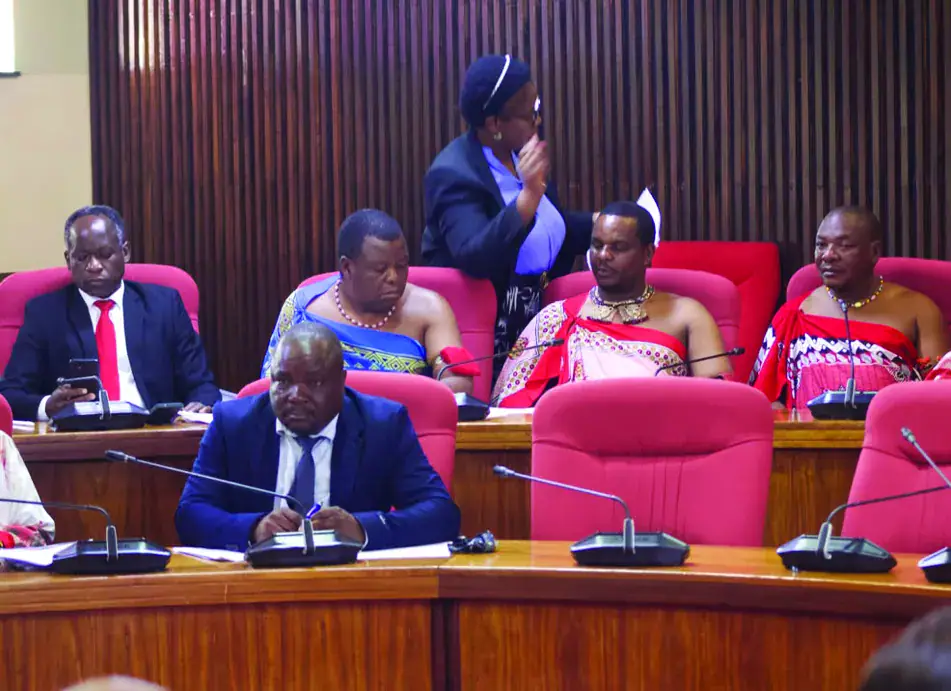
In a recent parliamentary session in Eswatini, a heated debate erupted over the government's proposal to curb expenditure on external travel for lawmakers. One MP strongly defended the travel budget, citing its inadequacy and the need for parliamentary trips. However, this justification has been met with criticism from observers who argue that such trips seem extravagant at a time when citizens are struggling with increasing living costs.
The issue has highlighted a broader concern about the priorities of Eswatini's lawmakers. When faced with decisions affecting household budgets and economic opportunities, many MPs appear more focused on their own interests and privileges rather than the needs of their constituents. For instance, during discussions on a recent bus fare increase, there was a notable lack of examination on how the hike would impact low-paid workers, the unemployed, and rural residents who rely on public transport to access essential services.
Critics argue that MPs often fail to engage meaningfully with the people they represent. This includes a lack of consultation with constituents on matters that affect their daily lives and livelihoods. As a result, many decisions seem to be made in isolation from the public, leading to a disconnect between lawmakers and the communities they serve. Walter Bennett, a prominent figure, has repeatedly raised concerns about the lack of engagement by portfolio committees on issues of public concern.
The issue of citizen economic empowerment has also come under scrutiny. While foreign investment can bring numerous benefits, critics argue that lawmakers should also focus on addressing barriers that prevent citizens from participating in the economy. This includes challenges in accessing finance, suitable business premises, and navigating licensing and procurement processes. By listening to the experiences of small traders and entrepreneurs, MPs can make more informed decisions that support local enterprise and opportunity.
The criticism of Eswatini's lawmakers centers on their apparent distance from the struggles of ordinary citizens. At a time when households are making difficult choices about transport, food, and other necessities, the defense of parliamentary travel and privileges seems out of touch. Many citizens feel that their representatives are more concerned with their own comforts and opportunities than with addressing the pressing issues facing the community.
To improve representation, lawmakers are urged to engage in more meaningful consultation with their constituents. This involves listening to the experiences and concerns of citizens, and using this information to inform decision-making. By doing so, MPs can ensure that their actions are aligned with the needs and priorities of the people they serve, rather than prioritizing their own interests.
Ultimately, the criticism of Eswatini's lawmakers serves as a reminder of the importance of accountability and representation in a democratic system. By prioritizing the needs and concerns of their constituents, MPs can work towards building a more inclusive and equitable society. This requires a shift away from the "politics of self" and towards a more people-centered approach to governance.
Key points
- Eswatini lawmakers have been criticized for defending parliamentary travel expenses while ignoring the struggles of citizens facing economic challenges.
Reporting sources
- MPs engaged in politics of self · Swazi Observer