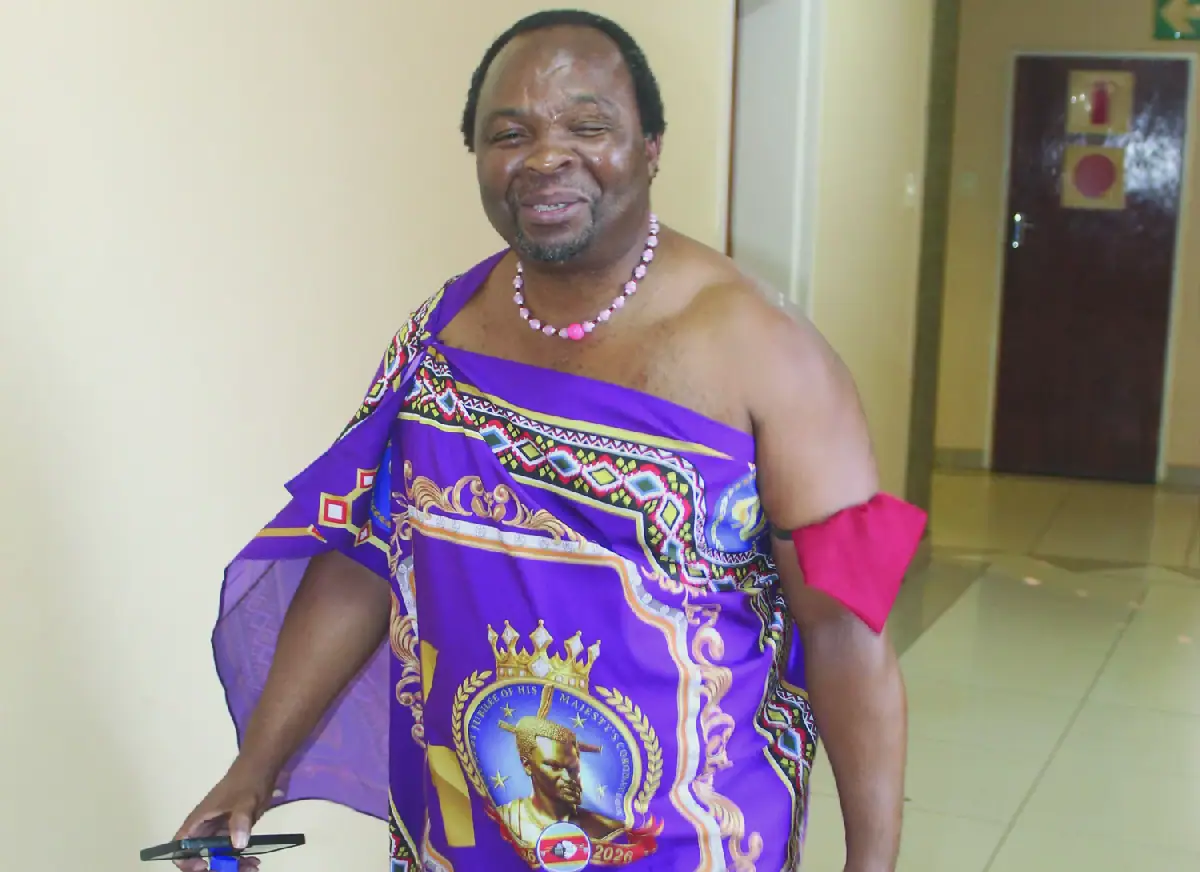
A recent opinion piece by journalist Mbongeni Mbingo sparked debate about the role of parliamentarians in Eswatini's governance. Mbingo's article criticized parliament for neglecting its duties and prioritizing personal interests over constituents' needs. In response, Mbabane East MP Welcome Dlamini reached out to share his views, arguing that Mbingo misunderstood how parliament works. Dlamini emphasized that parliamentarians are busy building the country and cannot be held solely responsible for every developmental failure.
The tinkhundla system of government, established in 1978 by King Sobhuza II, forms the basis of Eswatini's governance structure. This system operates through Cabinet, Parliament, the Judiciary, and traditional governance systems, which complement each other. However, MP Dlamini's argument that parliamentarians are not responsible for service delivery failures seems to contradict the system's interdependent nature. As a representative of the people, MP Dlamini cannot absolve himself of responsibility for failures in his constituency.
MP Dlamini took issue with Mbingo's assertion that parliamentarians spend public money on unnecessary international trips while constituents suffer at home. He claimed that parliament's work extends beyond the House of Assembly, involving engagement with institutions, communities, and stakeholders. In 1992, King Mswati III introduced direct election of House of Assembly representatives, bringing Emaswati into the tinkhundla system and establishing a direct link between voters and their MPs.
The tinkhundla system's conveyor belt approach means that each structure complements the others. However, this interdependence does not absolve parliamentarians of their responsibility to address constituents' needs. MP Dlamini argued that balancing competing demands from different sections of a constituency requires sound judgment, determining what is in the broader public interest. Nevertheless, Mbingo's criticism targeted MPs who prioritize personal interests over constituents' needs.
The debate highlights the need for a wholesome discussion about Eswatini's state of affairs and the role of parliamentarians within the tinkhundla system. As a representative of the people, MP Dlamini must acknowledge the responsibility that comes with being elected. The tinkhundla system's structures are distinct but interdependent, and parliamentarians play a crucial role in addressing constituents' needs.
In response to MP Dlamini's article, former colleague and editor Bheki Makhubu also weighed in on the debate. The discussion demonstrates the importance of engaging with critical issues and allowing different perspectives to be heard. By sharing their views, individuals like MP Dlamini and Makhubu contribute to a better understanding of the complexities surrounding Eswatini's governance.
Ultimately, the question at the heart of this debate remains: what do Eswatini's citizens expect from their representatives, and what role should parliamentarians play in addressing the country's challenges? The conversation sparked by Mbingo's article and MP Dlamini's response will likely continue, as citizens and stakeholders seek to understand the intricacies of Eswatini's governance system and the responsibilities of its leaders.
Key points
- Eswatini's tinkhundla system of government forms the basis of the country's governance structure, with interdependent structures that complement each other.
Reporting sources
- Why MP Welcome misses the point · Swazi Observer