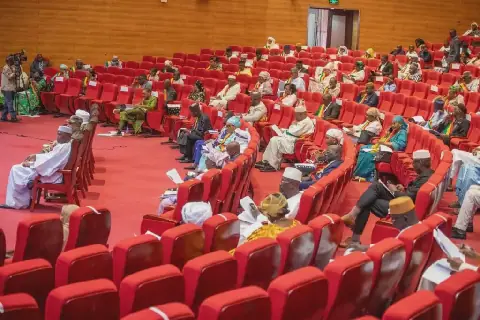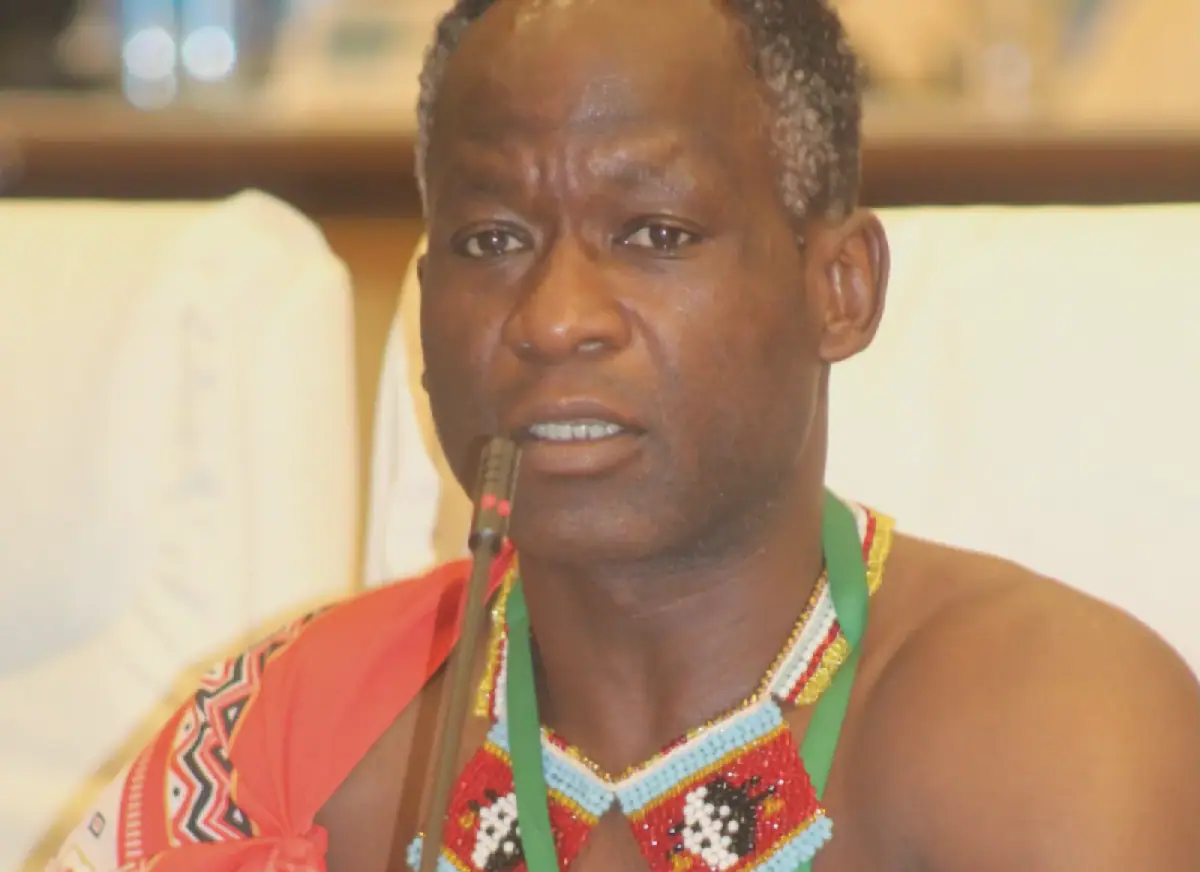
Member of Parliament Michael Masilela stated that Eswatini no longer has issues with sugar daddies and sugar mommies, citing the country's Sexual Offences and Domestic Violence (SODV) Act as a key factor. He made these comments during the 59th session of the Southern African Development Community (SADC) Parliamentary Forum Plenary Assembly in Ezulwini. Masilela emphasized that the law protects children from exploitation.
Masilela highlighted Section 29 of the Eswatini Constitution, which guarantees children's rights to proper care from parents or lawful authorities. The country also has the Children Protection and Welfare Act of 2012, which provides additional protection for children. These laws aim to eradicate problems faced by children, according to Masilela. Eswatini has ratified the African Charter on the Rights and Welfare of the Child.
The MP appreciated the government's efforts to issue birth certificates to children who previously lacked them. He also mentioned that corporal punishment is still being debated in Parliament. Masilela stressed that children in Eswatini are not considered property and cannot be forced into marriage or employment. He emphasized that anyone who harms a child will face jail time, even if the child or parents agreed to the marriage.
According to Director of Gender and Family Issues Nomzamo Dlamini, child marriages in Eswatini have declined from 4% to 3.6% over the past five years. This decrease is attributed to strong legal frameworks, including the Constitution of 2005 and the Sexual Offences and Domestic Violence Act of 2018. The laws criminalize child marriage and protect children from exploitation.
The government has developed policy frameworks, such as the National Gender Policy of 2023 and the National Strategy on Ending Gender-Based Violence 2023 to 2027. These policies aim to address gender-based violence and child marriage. Interventions also target parents, teachers, community members, and traditional authorities to raise awareness about child rights and protection.
The government and partners integrate child marriage issues into programs addressing STEM, climate change, and the Women, Peace and Security Action Plan. Educational sessions and empowerment clubs for young people are also part of the initiatives. These programs aim to teach children about teenage pregnancy, child rights, self-worth, leadership, and confidence building.
Eswatini's efforts to combat child marriage and protect children's rights have been supported by regional and international commitments, including the Convention on the Rights of the Child and the SADC Protocol on Gender and Development. The country continues to work towards creating a safe and protective environment for its children.
Key points
- Child marriages in Eswatini have declined from 4% to 3.6% over the past five years.
- The country has implemented laws like the Sexual Offences and Domestic Violence Act to protect children from exploitation.
- Eswatini has ratified the African Charter on the Rights and Welfare of the Child.
Reporting sources
- No more sugar daddies in Eswatini – MP Masilela · Swazi Observer