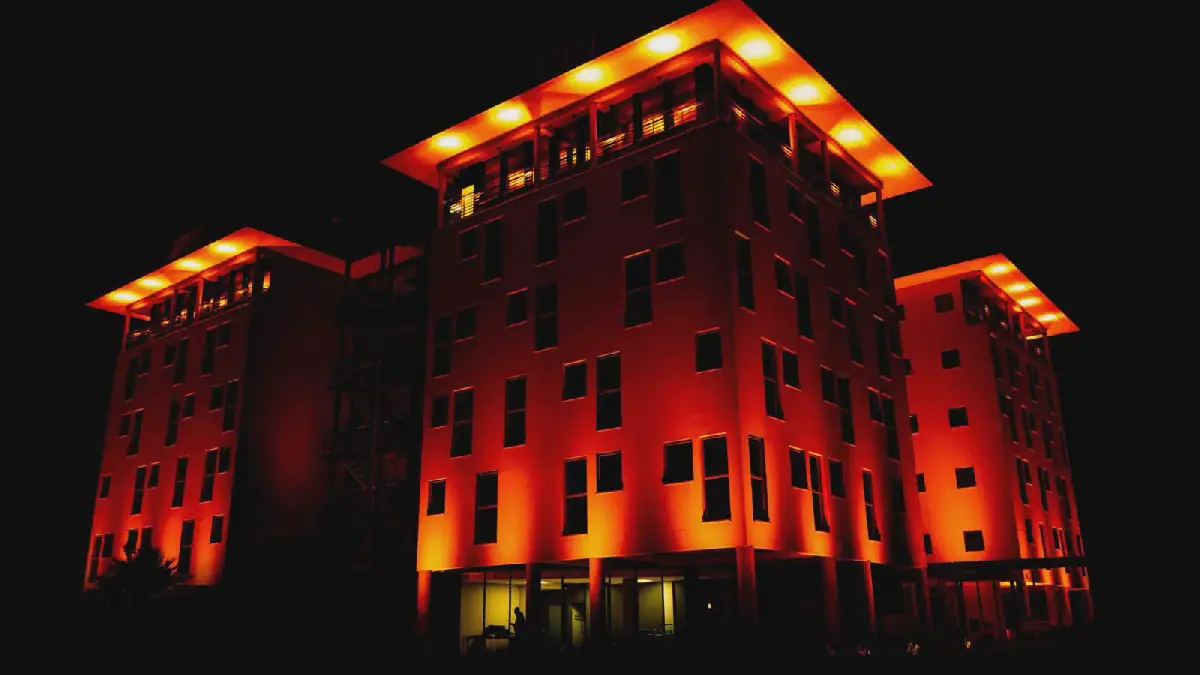
The United Nations House in Eswatini was lit up orange on Wednesday evening as part of the global campaign to end gender-based violence against women and girls. This initiative was undertaken by the United Nations in Eswatini and the Deputy Prime Minister's Office. The event brought together representatives from government, civil society organisations, development partners, survivors, young people, and communities. They collectively called for an end to violence against women and girls.
This year's campaign, which runs from November 25 to December 10, is themed 'UNiTE to End Violence Against Women and Girls: Ensure Justice, Protect Survivors, End Impunity.' The illumination of the UN House was part of the global Orange the World campaign. Orange is used as a symbol of hope and a future free from violence. United Nations Resident Coordinator George Wachira stated that the orange glow represented solidarity with survivors and a shared commitment to ending gender-based violence.
The campaign seeks to raise awareness and mobilise communities to take action against gender-based violence. It also aims to strengthen efforts to ensure that survivors receive the support and protection they need. According to the United Nations, ending violence requires collective action and the involvement of all sectors of society. Swatini Action Group Against Abuse Executive Director Nonhlanhla Dlamini called for an end to impunity, stressing that perpetrators should be held accountable regardless of their status or influence.
Data presented during the launch of the 2026 16 Days of Activism campaign showed that 10,577 cases of violence were recorded between January and June 2026. These figures were compiled from nine reporting partners and showed that current and former boyfriends or girlfriends accounted for the largest single relationship category, with 2,913 reported cases. Females accounted for the majority of reported cases, with 7,082 cases, representing 68 per cent of the total.
The Manzini Region recorded the highest share of cases at 31.1 per cent, followed by Hhohho at 26.3 per cent, Lubombo at 25.5 per cent, and Shiselweni at 17.1 per cent. Emotional or verbal abuse was the most frequently recorded form of violence, with 3,647 cases, followed by physical abuse at 3,317 and sexual abuse at 1,374. The data also showed that 71.8 per cent of the recorded cases occurred at home.
The launch highlighted interventions being implemented to respond to gender-based violence. These include support provided to 5,164 callers through the 116 helpline and the training of 123 social workers on the helpline. A further 324 gender-based violence first responders had been trained, while 35 survivors were accommodated in shelters and 782 clients accessed day safe-space services.
Through the Ending Gender-Based Violence Campaign, 66,000 people had been reached across 12 towns, while 2,244 people were reached in 11 communities. Other interventions included training 201 survivors and persons with disabilities in employability and digital business skills, reaching 226 adolescent girls and young women with sexual and reproductive health rights and gender-based violence training, and training 189 people in entrepreneurship.
Key points
- The campaign aims to raise awareness and mobilise communities to take action against gender-based violence.
- The UN House illumination was part of the global Orange the World campaign, symbolising hope and a future free from violence.
- Eswatini recorded 18,236 reported cases of gender-based violence in 2023, with a 50 per cent increase in cases between 2017 and 2023.
Reporting sources
- UN house turns orange as GBV campaign launched · Times of Swaziland